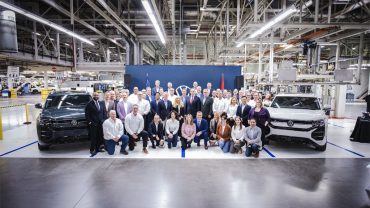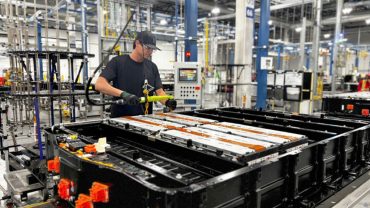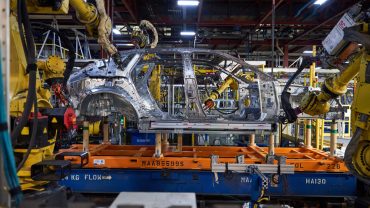
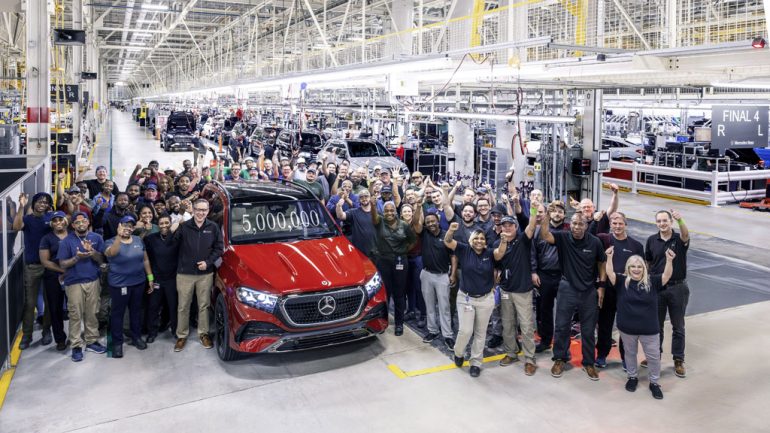
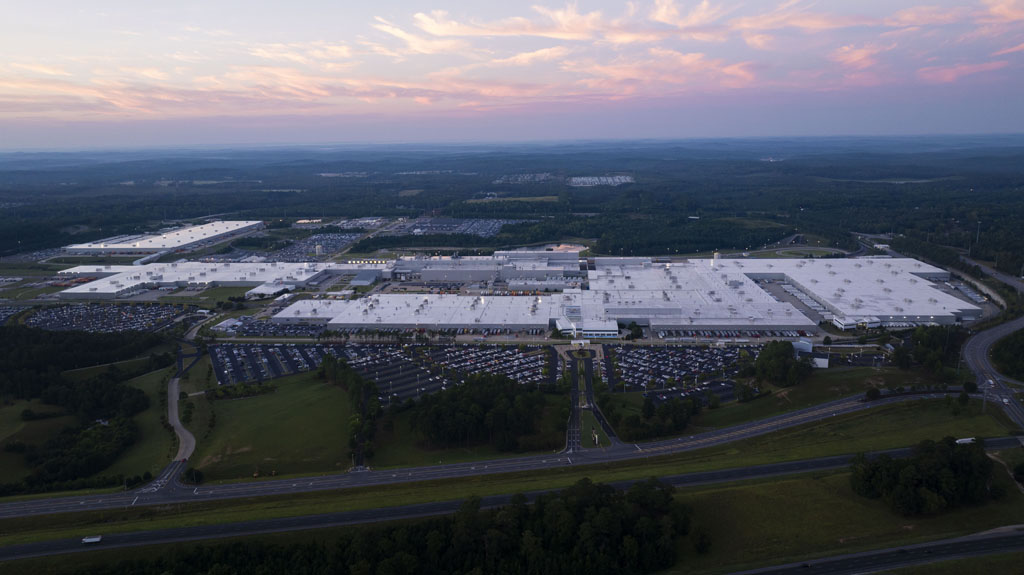
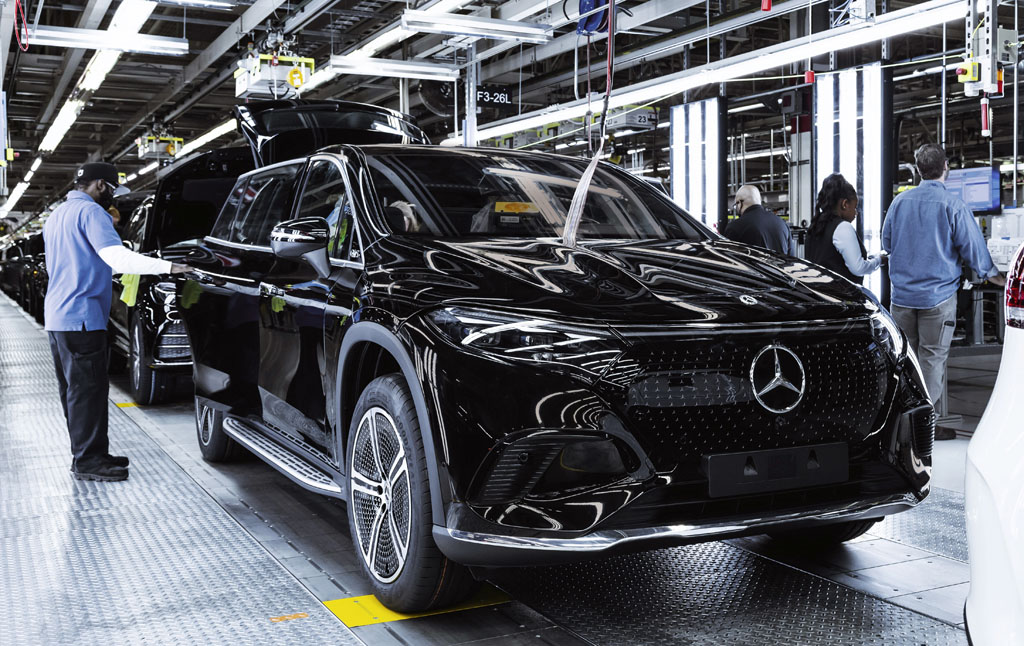
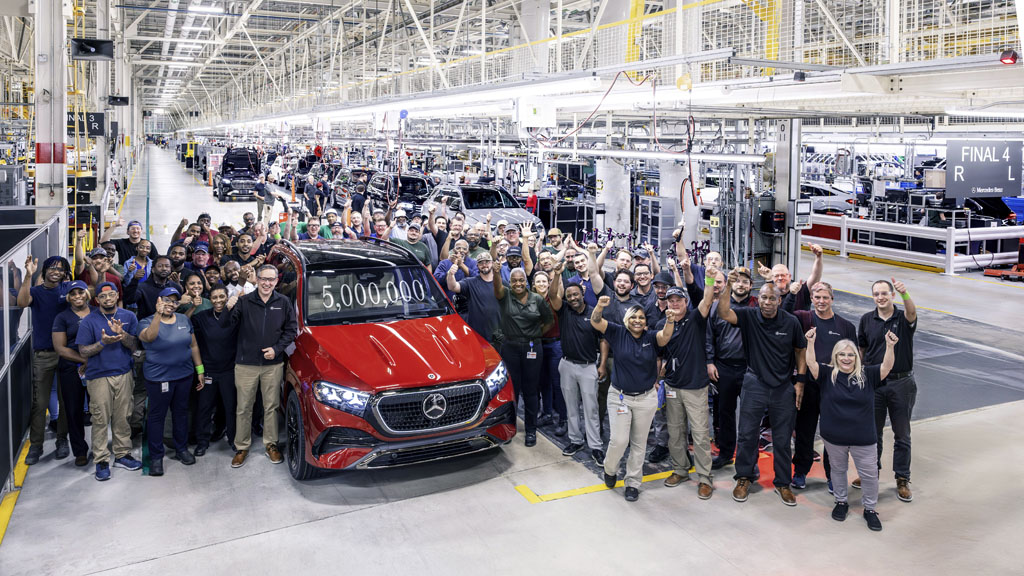
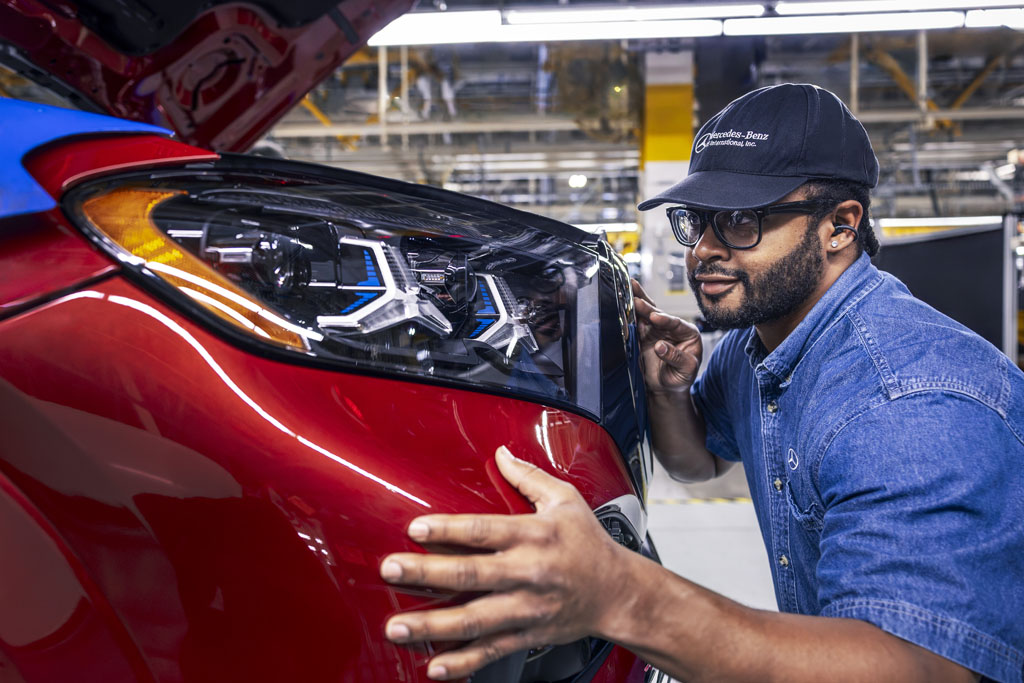
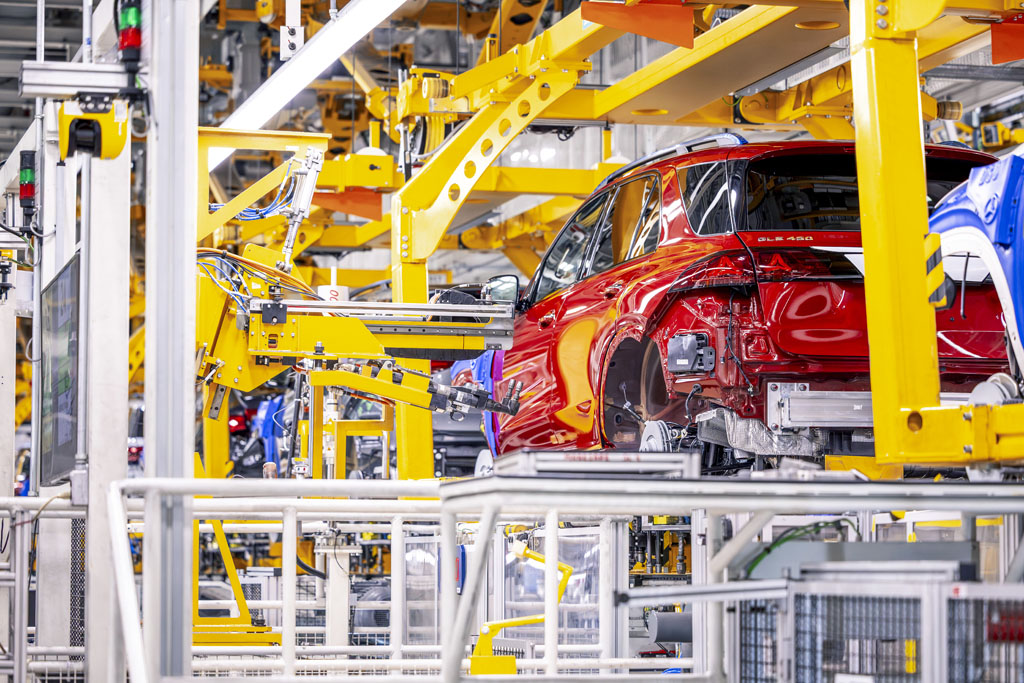
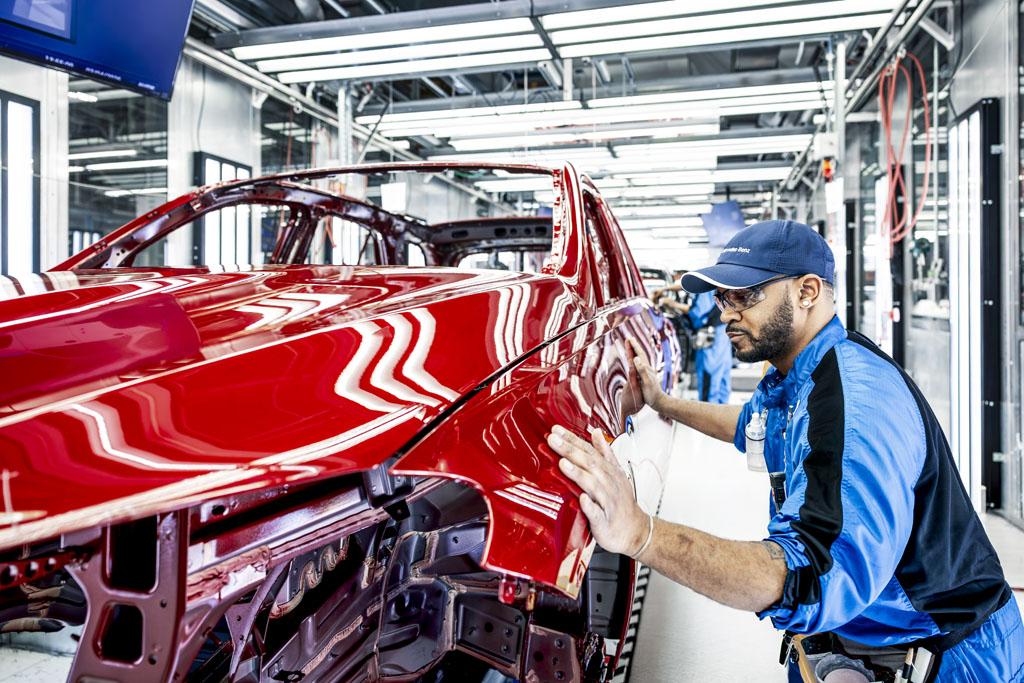
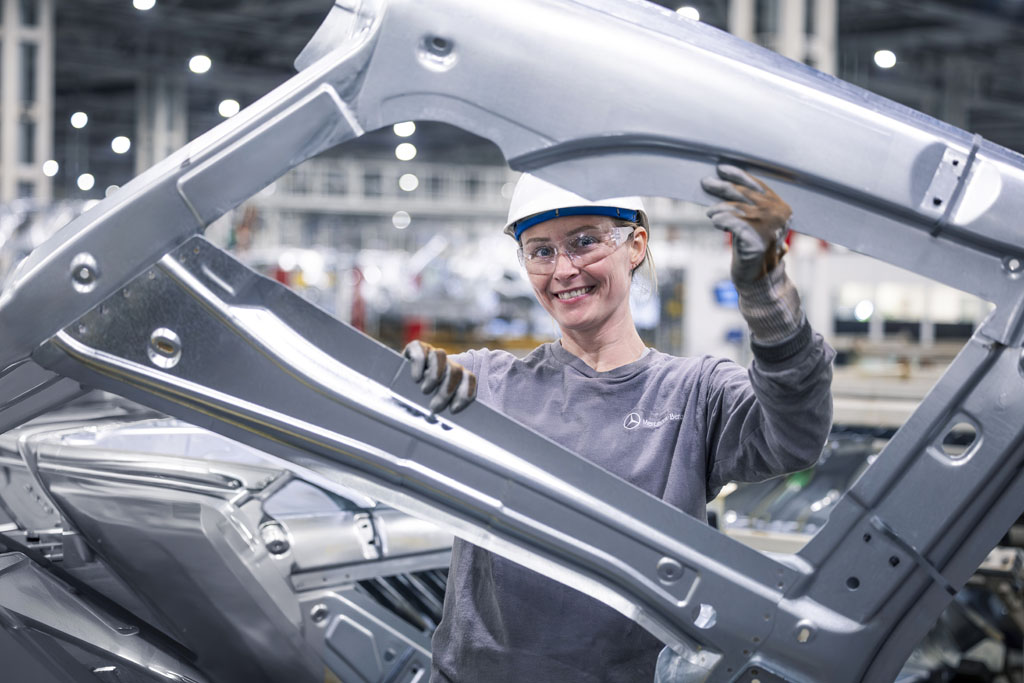
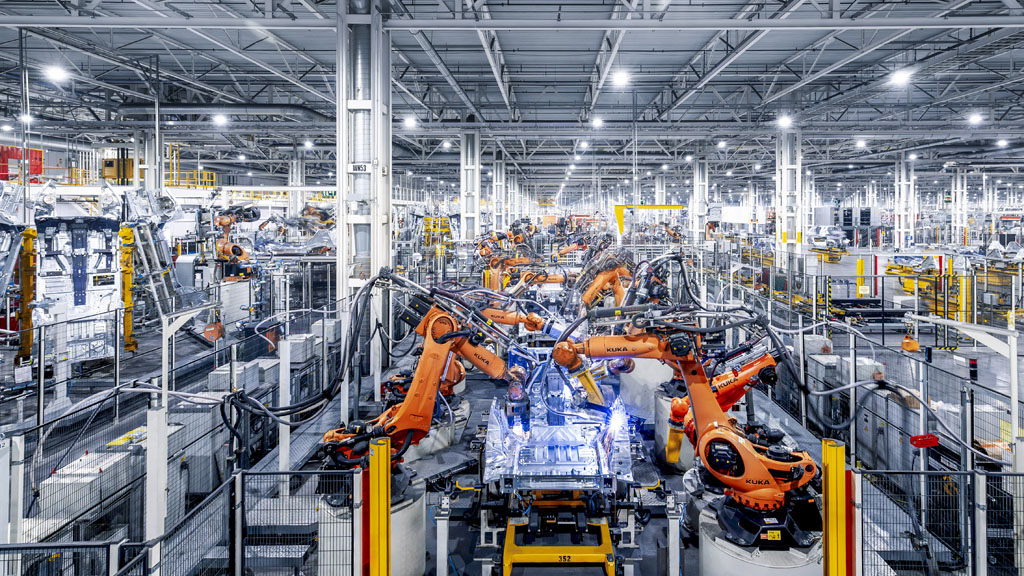
Mercedes-Benz used the global debut of the new 2027 GLE and GLS to do more than just show off updated luxury SUVs. It also put a major spotlight on the Alabama factory that has become one of the most important pieces of its worldwide production network. At the Tuscaloosa plant, Mercedes-Benz marked the assembly of its five-millionth SUV, a milestone that says a lot about how deeply rooted these vehicles are in American manufacturing and how important the United States remains to the brand’s long-term strategy.
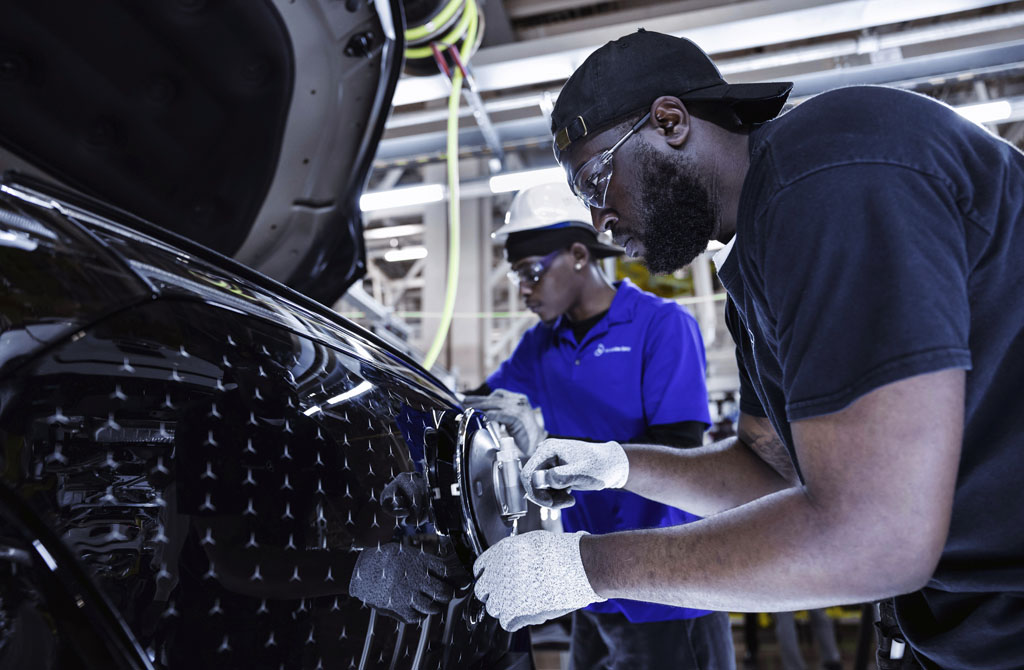
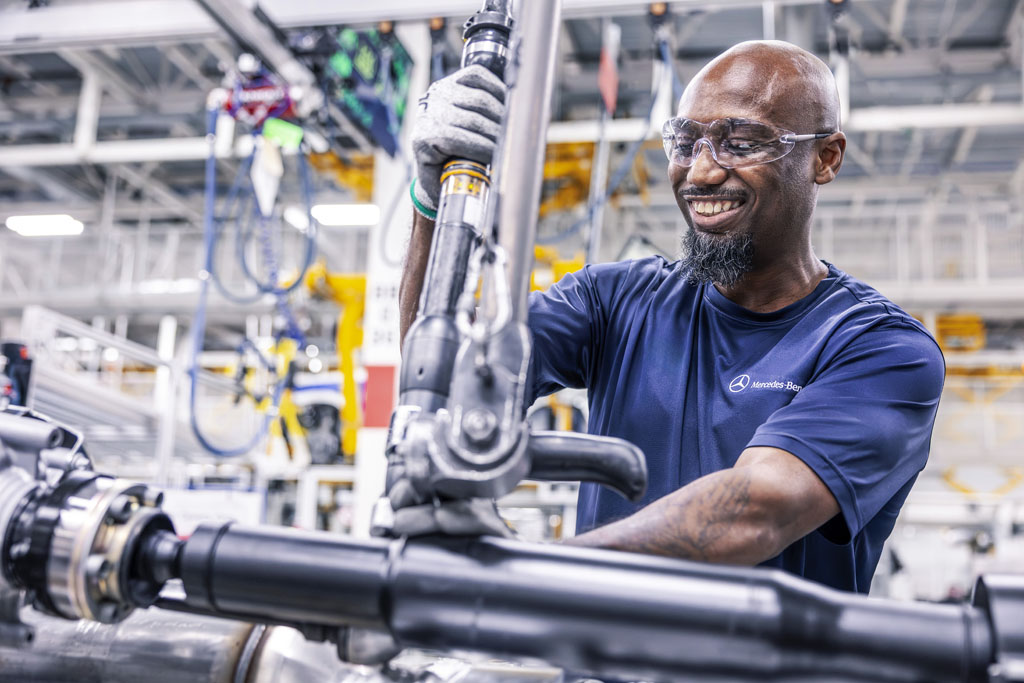
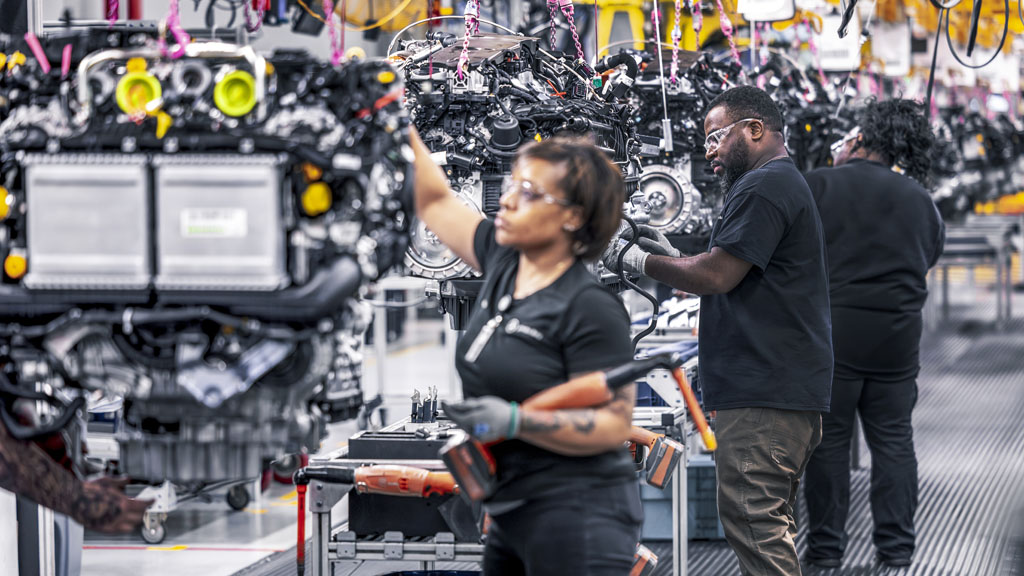
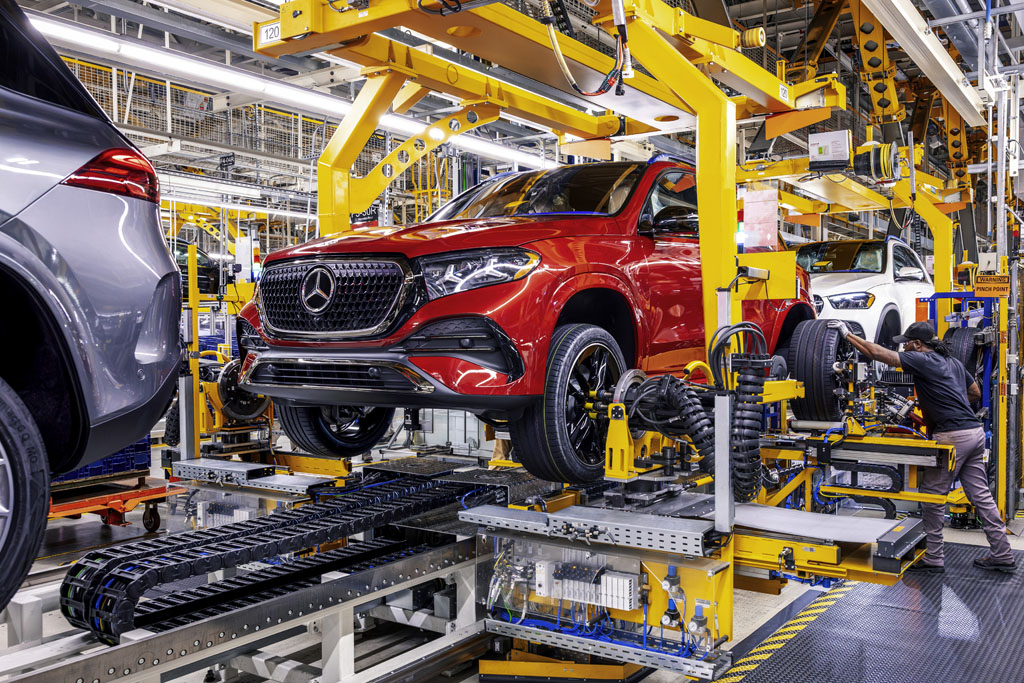
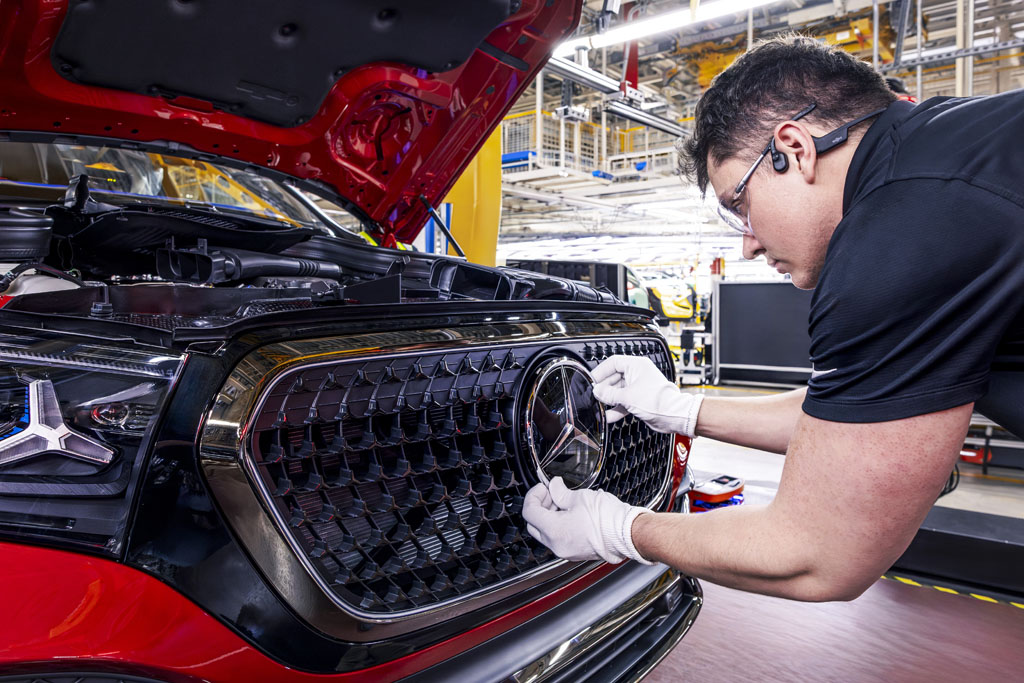
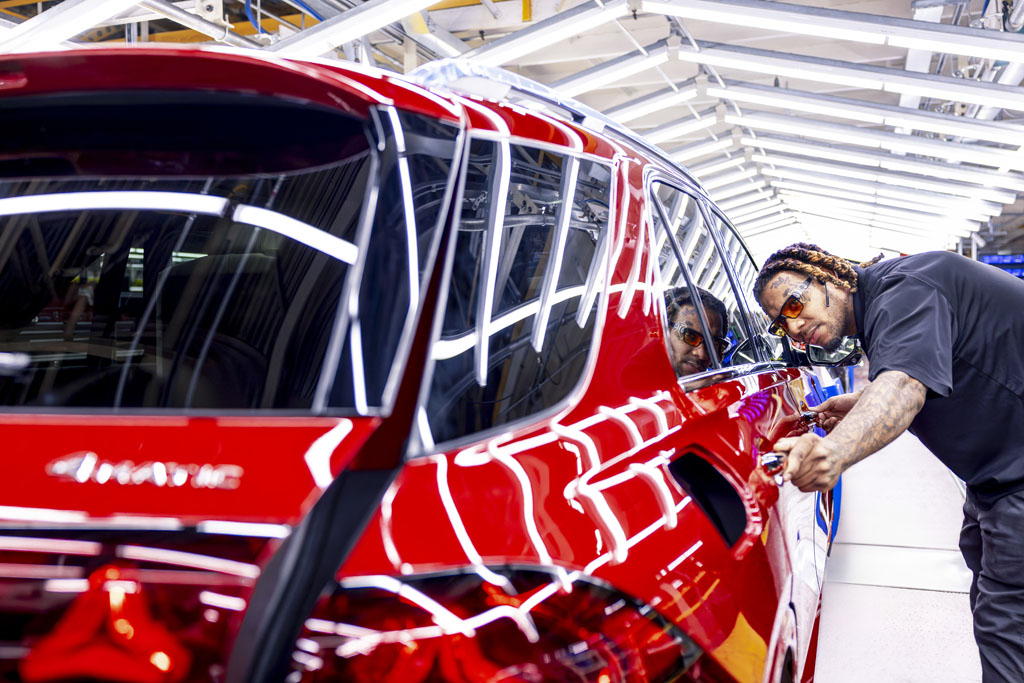
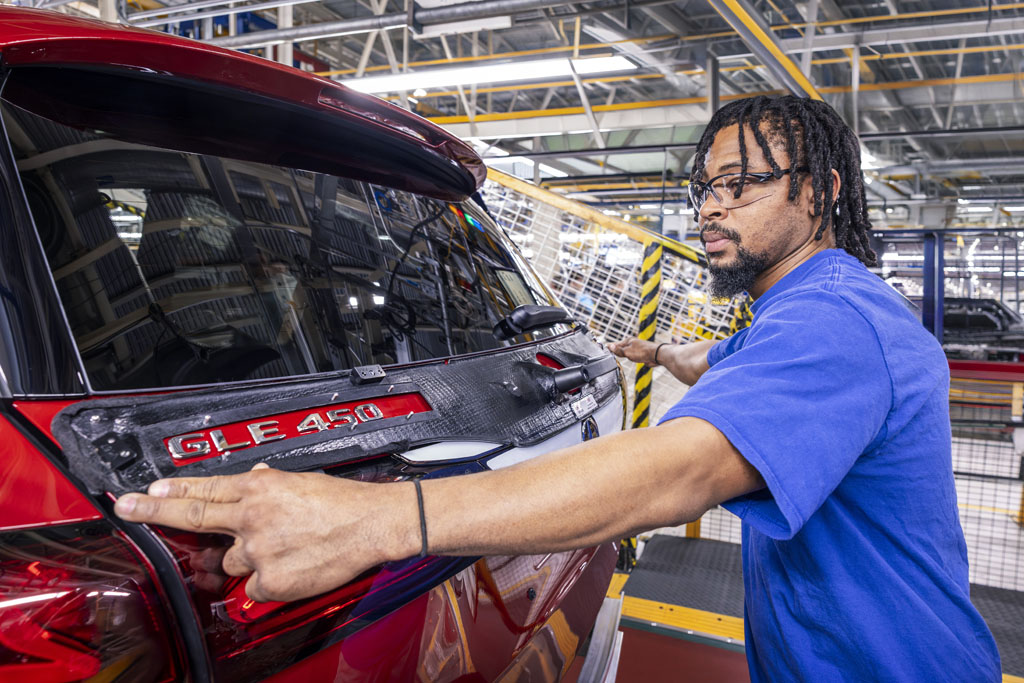
That matters because Tuscaloosa is not just another assembly site in a global empire. For three decades, it has been the home of Mercedes-Benz SUV production in the U.S., building vehicles for both domestic buyers and export markets around the world. What started with the M-Class in the late 1990s has grown into a full-scale operation producing the GLE, GLS, GLE Coupe, AMG performance models, and even high-end Maybach SUV variants. Today, it is one of the clearest examples of how a global luxury automaker can successfully build premium vehicles in America at scale.
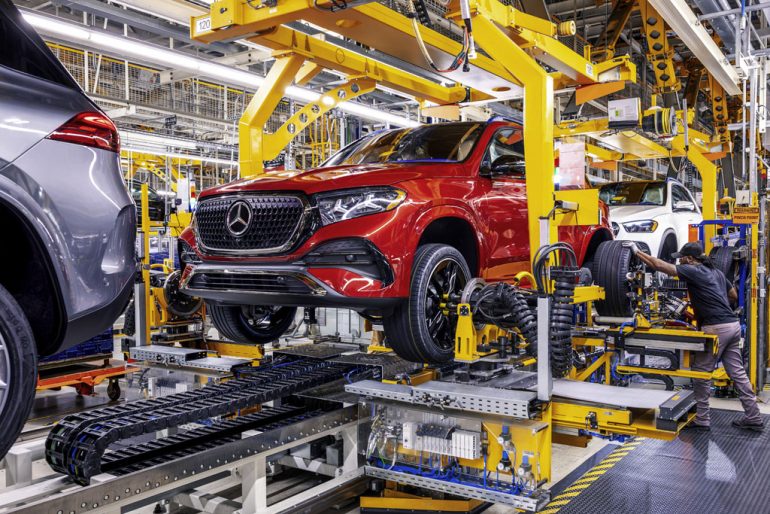
The new GLE and GLS arriving from this plant only strengthen that story. Mercedes-Benz is positioning both SUVs as more powerful, more intuitive, and more refined than before, while leaning harder into the comfort, technology, and versatility that have made them such cornerstone products. The GLE continues to serve as one of the brand’s most important and broad-reaching luxury SUVs, while the GLS carries on as the flagship three-row people mover that blends serious comfort with unmistakable presence. Launching both vehicles in Tuscaloosa feels fitting because these SUVs are not just sold in America. They are part of America’s modern automotive manufacturing landscape.
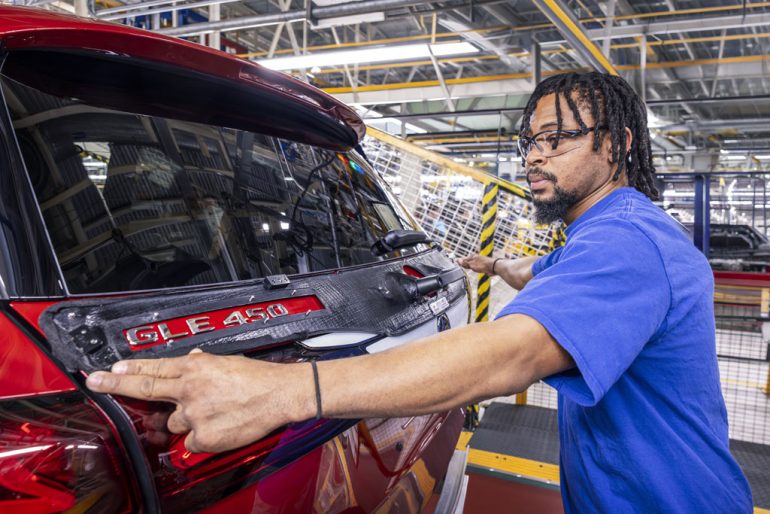
There is also something bigger happening here beyond product updates. Mercedes-Benz is making it clear that it sees the United States as essential to its future growth, with more than $7 billion in planned U.S. investments by 2030 and $4 billion of that earmarked specifically for the Tuscaloosa operation. That is not small talk or ceremonial ribbon-cutting language. It is a meaningful commitment to American jobs, American industrial capability, and a region that has become central to how Mercedes-Benz serves the world.
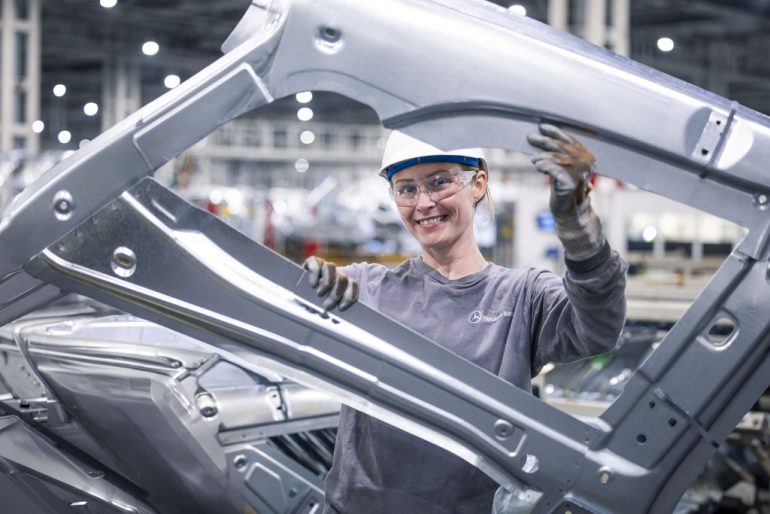
The Tuscaloosa plant’s influence is easy to underestimate if you only think of it as a factory for local sales. Roughly 60 percent of its output is exported, which makes it one of the largest automobile exporters in the U.S. That means these Alabama-built Mercedes-Benz SUVs are not only supporting the domestic economy, they are also representing American assembly quality on a global stage. In an era when the importance of domestic manufacturing is constantly debated, this is a real-world example of high-value production happening here and reaching far beyond U.S. borders.
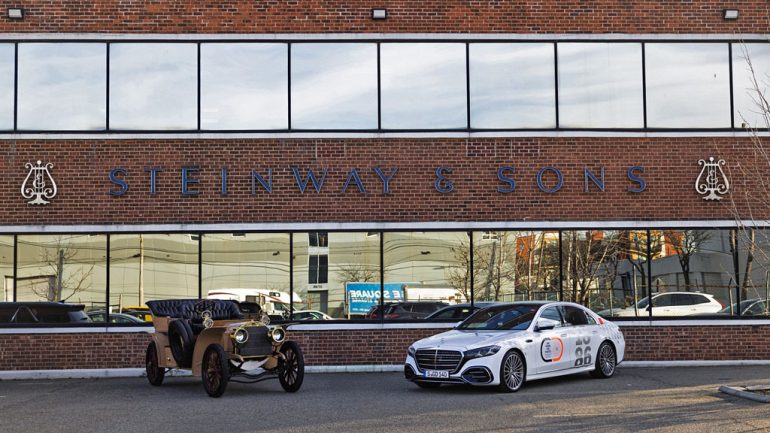
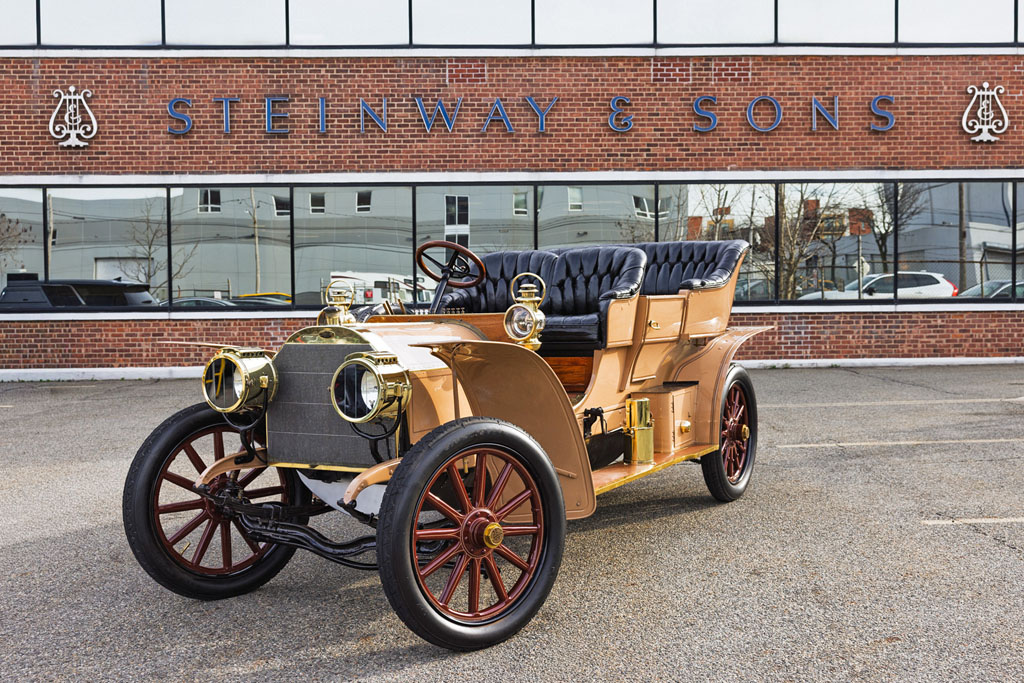
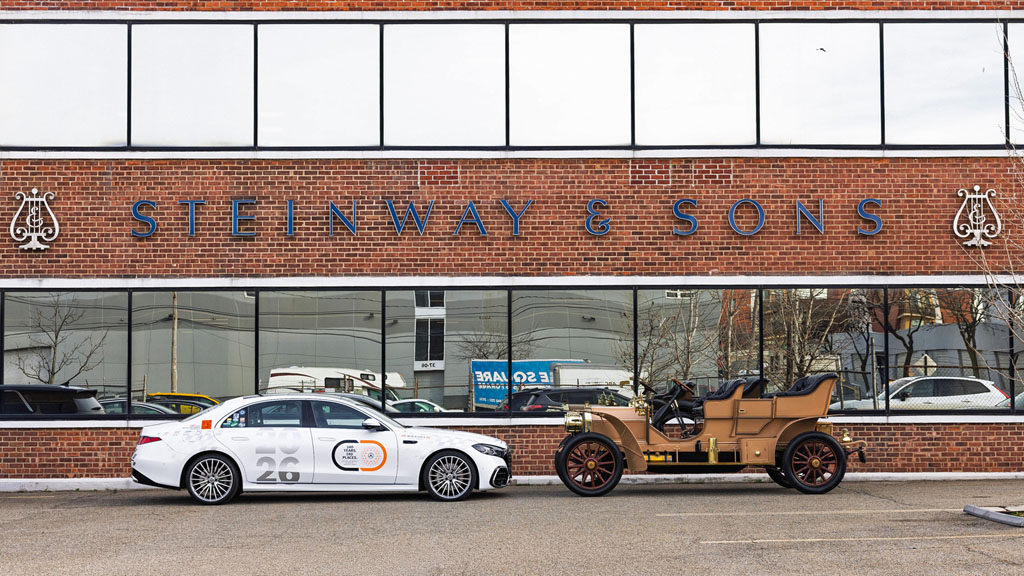
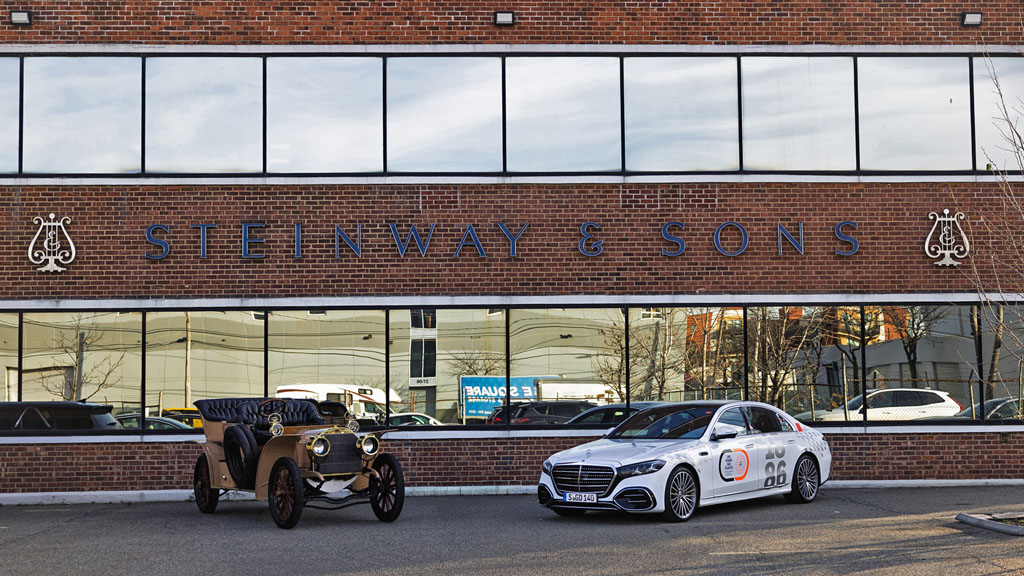
Mercedes-Benz also used the moment to underline the long arc of its history in this country. The company’s ties to the U.S. stretch back well over a century, and the brand is celebrating 140 years of innovation globally along with 138 years of presence in America. That kind of lineage gives extra weight to what Tuscaloosa represents today. These are not temporary operations or short-term experiments. They are part of a long-running relationship between a legacy automaker and the American market, one that continues to evolve with new products, new technologies, and now even more investment.
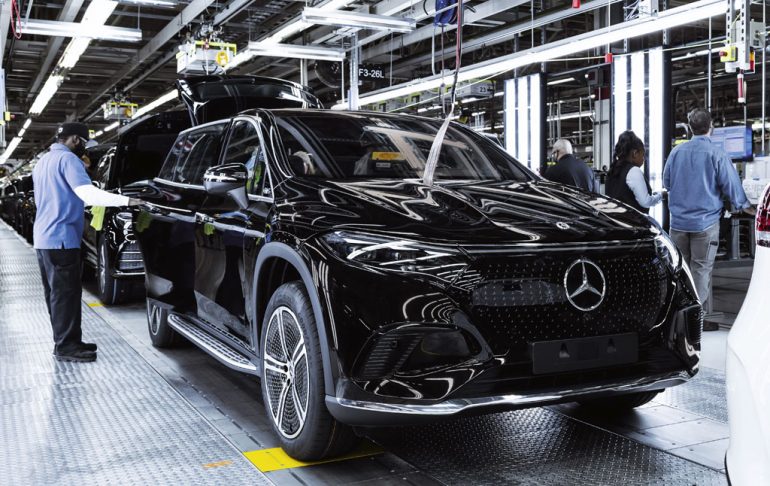
For automotive enthusiasts, there is something genuinely significant about seeing flagship Mercedes-Benz SUVs revealed where they are built, especially when that place is an American factory with such a proven history. For the industry as a whole, it is another reminder that American manufacturing still matters, not just for mainstream brands but for global luxury nameplates too. Tuscaloosa has become far more than a production point on a map. It is now one of the defining homes of the modern Mercedes-Benz SUV story.

Lloyd Tobias is a seasoned automotive journalist and passionate enthusiast with over 15 years of experience immersed in the world of cars. Whether it's exploring the latest advancements in automotive technology or keeping a close pulse on breaking industry news, Lloyd brings a sharp perspective and a deep appreciation for all things automotive. His writing blends technical insight with real-world enthusiasm, making his contributions both informative and engaging for readers who share his love for the drive. When he's not behind the keyboard or under the hood, Lloyd enjoys test driving the newest models and staying ahead of the curve in an ever-evolving automotive landscape.

Lloyd Tobias is a seasoned automotive journalist and passionate enthusiast with over 15 years of experience immersed in the world of cars. Whether it’s exploring the latest advancements in automotive technology or keeping a close pulse on breaking industry news, Lloyd brings a sharp perspective and a deep appreciation for all things automotive. His writing blends technical insight with real-world enthusiasm, making his contributions both informative and engaging for readers who share his love for the drive. When he’s not behind the keyboard or under the hood, Lloyd enjoys test driving the newest models and staying ahead of the curve in an ever-evolving automotive landscape.