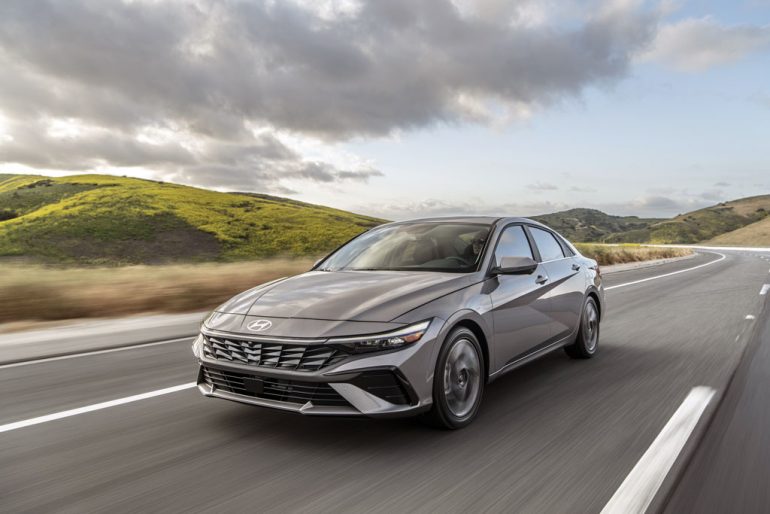
Compact sedans don’t get the negotiating spotlight that trucks and three-row SUVs do, but the math still works the same way underneath the hood of the deal. The 2026 Hyundai Elantra already undercuts most of its rivals on sticker price, starting thousands less than comparable Honda Civic and Toyota Corolla trims, which means buyers sometimes assume there isn’t much room left to negotiate on a car this affordable already. That assumption costs you money. TrueCar’s transaction data shows real buyers currently paying about 2.5 percent below MSRP on the base Elantra, and that gap widens further once you factor in the invoice price dealers rarely volunteer. This guide breaks down what Hyundai dealers actually pay across all five Elantra trims plus the Hybrid lineup, where the real value sits in this year’s trim walk, current incentives, and how to get competing local dealer quotes before you negotiate.
The 2026 Elantra lineup runs five gas trims: SE, SEL Sport, SEL Sport Premium, Limited, and N Line, starting at $22,625 with destination and reaching $30,645 for the performance-oriented N Line before options. A separate Elantra Hybrid lineup starts at $25,450 and is offered in Blue, SEL Sport, and Limited trims, sharing the same interior and feature structure as the gas car but trading the standard engine for a far more fuel-efficient hybrid powertrain. Every Elantra trim except the N Line uses a 2.0-liter four-cylinder engine producing 147 horsepower and 132 lb-ft of torque paired with a continuously variable transmission and front-wheel drive, while the N Line steps up to a turbocharged 1.6-liter engine making 201 horsepower and 195 lb-ft, paired with a quicker-shifting seven-speed dual-clutch automatic.
The Elantra’s most direct competitors are the Honda Civic, Toyota Corolla, Mazda3, Nissan Sentra, and its own corporate cousin, the Kia K4, which shares much of the Elantra’s engineering but is offered as a hatchback for 2026 and frequently undercuts the Elantra on equipment for the same price. That internal competition between Hyundai and Kia models works in your favor at the negotiating table, since a Hyundai dealer aware that you’re also looking at a K4 has a direct incentive to sharpen their offer rather than lose the sale to a sister brand. That’s exactly the kind of leverage our Insider Access to Dealer Pricing tool helps you use, putting real competing local dealer quotes in front of you before you ever step onto a lot.
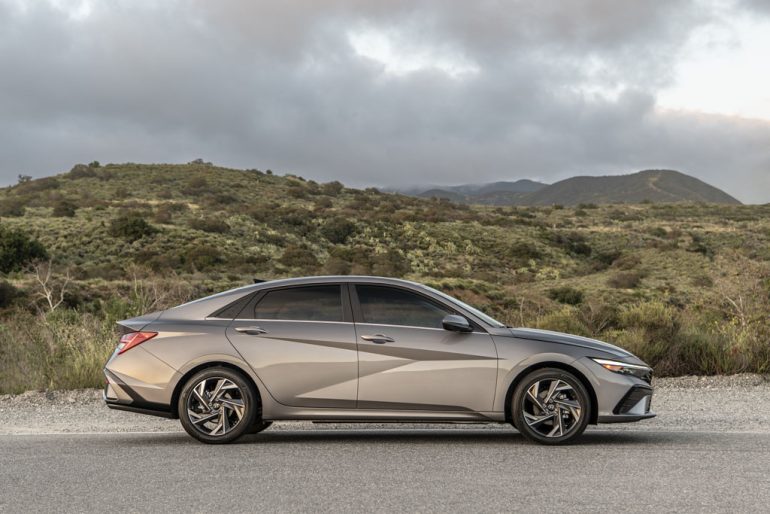
The invoice price is what a Hyundai dealer actually paid Hyundai Motor America for the vehicle on their lot, and on a compact sedan already priced as competitively as the Elantra, that gap tends to run narrower in raw dollar terms than on a truck or three-row SUV, even though the percentage gap is often similar. On the 2026 Elantra, the typical spread between MSRP and dealer invoice runs approximately $700 to $1,300 depending on trim, with the N Line carrying the widest dollar gap given its higher price point and additional performance equipment.
Hyundai’s dealer holdback adds roughly 2 to 3 percent of base MSRP back to the dealer after a sale closes, which on a $25,075 SEL Sport Premium represents approximately $500 to $750 in additional margin sitting beneath the invoice figure entirely. While these dollar amounts are smaller than what you’d see negotiating a truck or midsize SUV, the percentages work identically, and buyers who know the invoice number consistently negotiate better outcomes than those anchoring to the window sticker, even on a car already priced as a relative value in its segment.
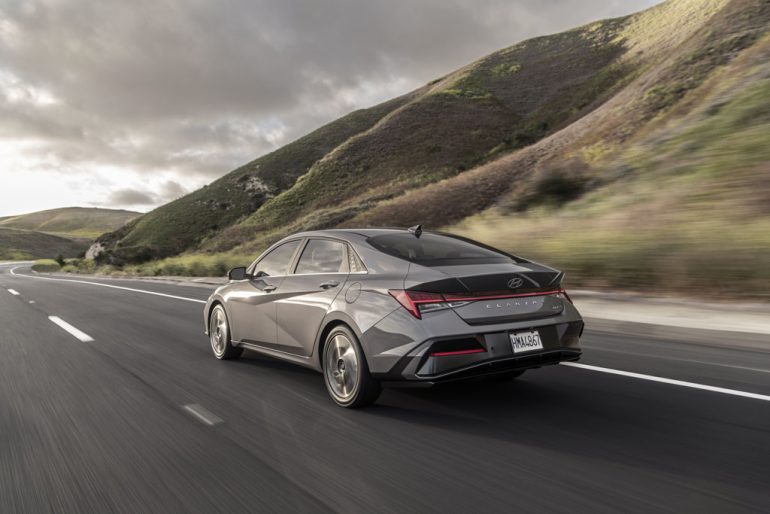
Hyundai restructured the Elantra’s trim walk for 2026, replacing the old SEL Convenience package with an all-new SEL Sport Premium trim that fills a gap many shoppers had been asking about. Here’s how the five gas trims break down.
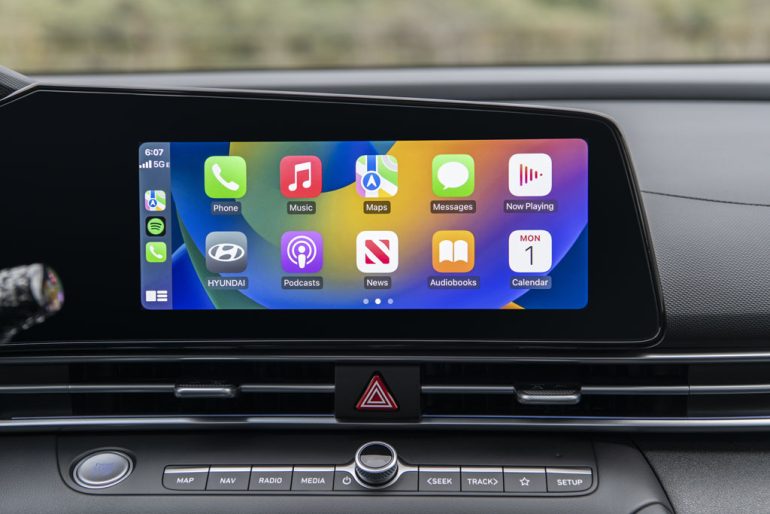
SE ($22,625) is the base trim, and Hyundai doesn’t shortchange it the way some manufacturers do with entry-level pricing. Standard equipment includes an 8-inch touchscreen, wireless Apple CarPlay and Android Auto, LED headlights, and the full Hyundai SmartSense safety suite, including forward collision-avoidance assist, blind-spot monitoring, and lane-centering steering, features that are optional or unavailable entirely on some competitors’ base trims.
SEL Sport (pricing between SE and SEL Sport Premium) adds more style and convenience equipment over the SE, including upgraded driver-assist technology and exterior styling touches, positioning itself as the first meaningful step up in the lineup.
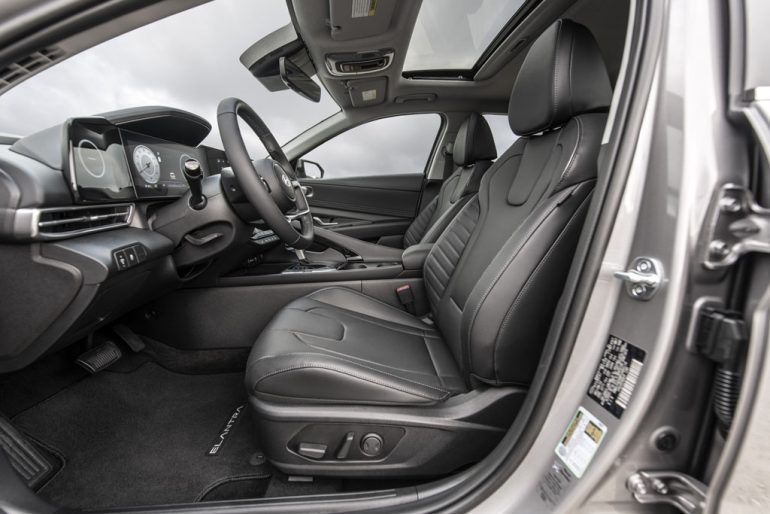
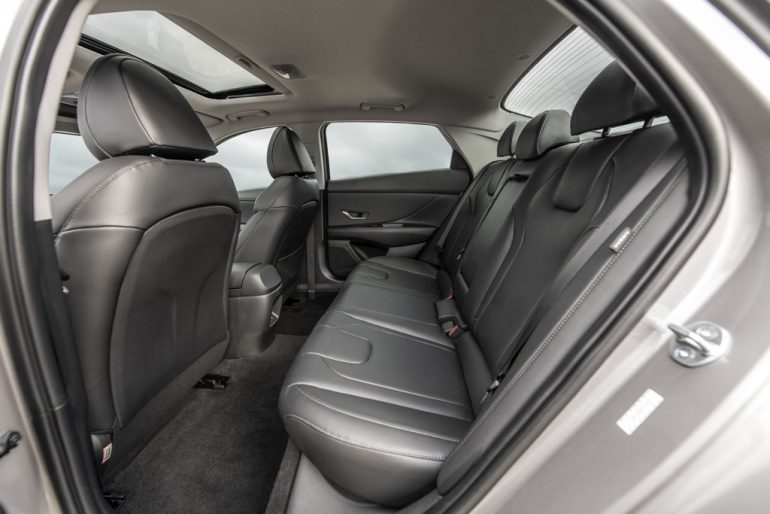
SEL Sport Premium ($25,075) is the trim most reviewers point to as the sweet spot of the entire lineup. It adds heated front seats, heated side mirrors, a power moonroof, a 60/40 split-folding rear seat, and upgraded safety technology including bicyclist detection and front cross-traffic alert, all while staying well below Limited-trim pricing. For drivers who want real comfort upgrades without a steep price jump, this is the trim built specifically for that buyer.
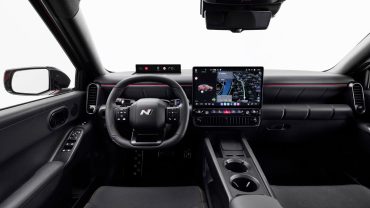
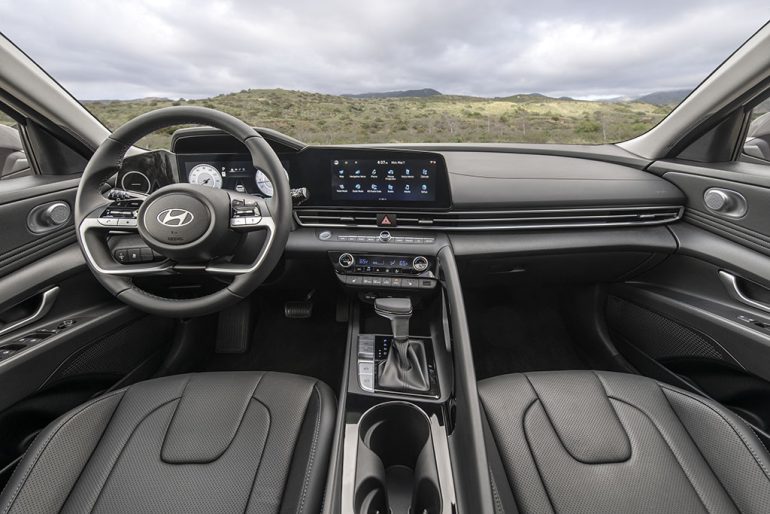
Limited (pricing above SEL Sport Premium, below N Line) is where the Elantra starts feeling like a noticeably more expensive car than its price tag suggests. Dual 10.25-inch displays replace the smaller touchscreen, synthetic leather seating replaces cloth, and an eight-speaker Bose audio system, ambient lighting, and a power-adjustable driver’s seat with memory round out a genuinely upscale cabin for a compact sedan. Edmunds specifically recommends stretching to this trim if your budget allows.
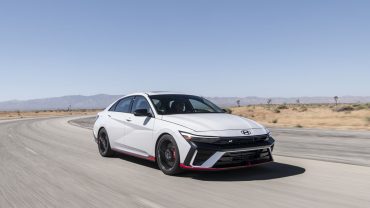
N Line ($30,645) trades comfort-trim equipment for genuine performance, with 18-inch alloy wheels, a more aggressive grille, dual exhaust outlets, N Line-specific sport seats, and the turbocharged engine and dual-clutch transmission that make this the only Elantra in the lineup built to be genuinely fun to drive rather than simply efficient and comfortable.
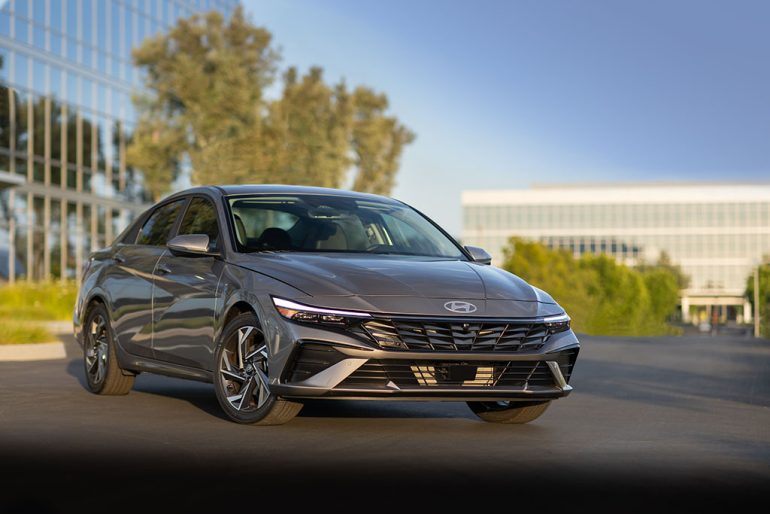
The Elantra Hybrid starts at $25,450, roughly in line with the gas SEL Sport Premium, and delivers an EPA-estimated 54 mpg combined, nearly 20 mpg better than the standard gas engine’s already competitive 34 to 36 mpg combined rating. The hybrid uses a 1.6-liter four-cylinder paired with electric assist for a combined 139 horsepower and 195 lb-ft of torque, trading some outright power for substantially better efficiency, and it’s offered in Blue, SEL Sport, and Limited trims that largely mirror their gas-engine counterparts on equipment.
Whether the hybrid’s price premium over an equivalent gas trim makes sense depends almost entirely on how many miles you drive annually. A buyer doing significant highway commuting will recoup the price difference in fuel savings faster than someone who drives mostly short trips around town, where a hybrid’s efficiency advantage is smaller in real-world conditions. It’s worth requesting quotes on both the gas and hybrid versions of whichever trim you’re considering before deciding, since the actual price gap between them can vary by more than the simple MSRP difference once incentives and regional pricing are factored in.
Manufacturer incentives on the Elantra stack on top of any negotiated price reduction below MSRP, and Hyundai Motor Finance frequently offers promotional APR financing for qualified buyers, particularly on the SE and SEL Sport trims given their volume in the lineup. As a value-segment vehicle, the Elantra also tends to see more frequent regional cash-back offers than higher-priced models in Hyundai’s lineup, since compact sedan buyers are typically more price-sensitive and incentives move volume effectively in this category.
Hyundai also maintains military appreciation pricing for active duty and veteran buyers, along with recent college graduate programs that can apply directly to a first Elantra purchase or lease. These programs stack on top of any negotiated dealer discount and aren’t always advertised prominently, so asking directly is worth the few minutes it takes. Hyundai’s five-year, 60,000-mile basic warranty and 10-year, 100,000-mile powertrain warranty, along with three years of complimentary scheduled maintenance, add real ownership value that doesn’t show up in the sticker price but lowers your actual cost of ownership. Getting a real local dealer quote that reflects negotiated pricing alongside current incentives through our Insider Access to Dealer Pricing tool gives you the clearest picture of your actual out-the-door cost before visiting a single dealership.
Based on current invoice benchmarks and TrueCar’s transaction data already showing buyers below MSRP, here’s a realistic target range across the 2026 Elantra lineup. On the SE, $21,900 to $22,400 reflects a strong outcome, consistent with what TrueCar’s recent transaction data shows real buyers already achieving. On the SEL Sport Premium, target $24,300 to $24,800. On the Limited, a competitive price typically falls a few hundred dollars below its MSRP depending on regional demand. On the N Line, target $29,600 to $30,200, since performance-oriented trims in this segment tend to hold value slightly more firmly than comfort-focused trims. On the Hybrid Blue, $24,700 to $25,200 is achievable with competing quotes in hand.
These targets assume you’ve gathered competing quotes from multiple local Hyundai dealers, kept any trade-in conversation completely separate from the new vehicle price negotiation, and clearly specified gas or hybrid powertrain when comparing quotes across dealers, since the two lineups price differently even at similar trim names.
Even on a sedan already priced competitively against its rivals, getting multiple dealers to compete for your business is the most reliable way to find out how much further the price can actually move. Click the “Get Prices” button above, select the 2026 Elantra trim and powertrain you’re considering, and you’ll receive real pricing from local Hyundai dealers competing directly for your purchase, typically within minutes and without visiting a single showroom.
Whether you’re drawn to the value of the SE, the comfort sweet spot of the SEL Sport Premium, the upscale feel of the Limited, the performance of the N Line, or the efficiency of the Hybrid, getting competing offers first means you walk into any final negotiation already knowing what other dealers in your area are willing to offer. On a car this competitively priced to begin with, that extra information is often the difference between a good deal and a genuinely great one.

Darryl Taylor Dowe is a seasoned automotive professional with a proven track record of leading successful ventures and providing strategic consultation across the automotive industry. With years of hands-on experience in both business operations and market development, Darryl has played a key role in helping automotive brands grow and adapt in a rapidly evolving landscape. His insight and leadership have earned him recognition as a trusted expert, and his contributions to Automotive Addicts reflect his deep knowledge and passion for the business side of the car world.