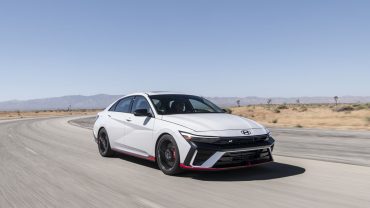
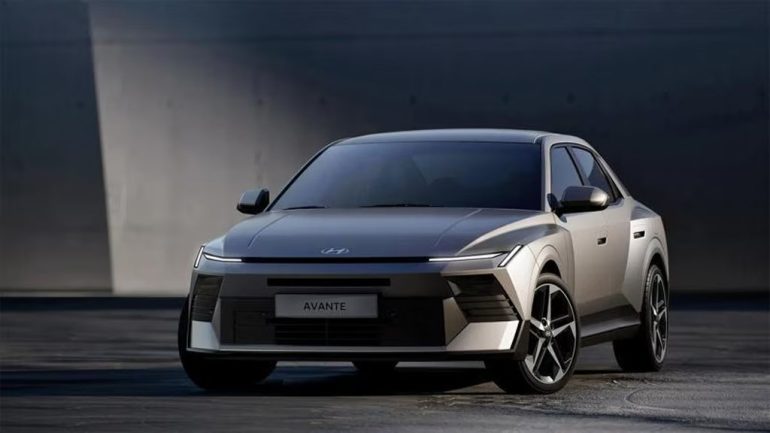
Hyundai has never been shy about giving its small cars big personality, and the all-new 2027 Hyundai Elantra looks like it is taking that idea even further. Revealed in South Korea at the 2026 Busan Auto Show as the Avante, the next-generation compact sedan arrives with a dramatically different look, a larger footprint, and a cabin that feels far more advanced than what many buyers might expect from an Elantra. In a market still obsessed with crossovers, Hyundai seems determined to remind everyone that the compact sedan is far from finished.
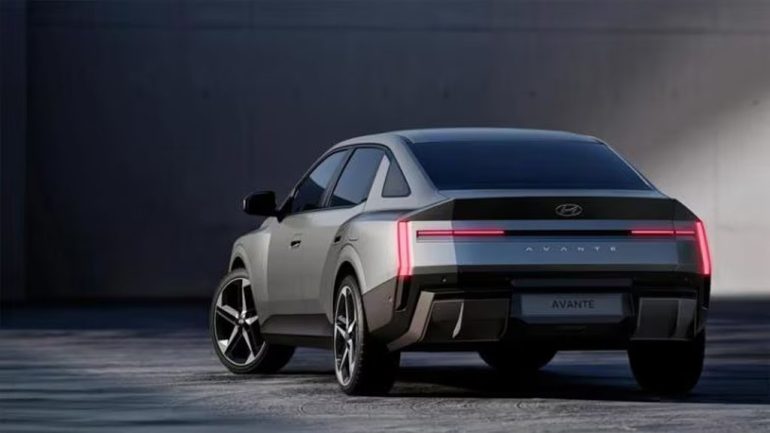
The exterior is where the new Elantra makes its boldest first impression. Hyundai’s latest “Art of Steel” design language gives the sedan a sharper, more technical appearance with crisp body lines, flared wheel arches, flush door handles, and lighting signatures that form an H-like motif front and rear. There is also a wide ducktail spoiler integrated into the rear design, helping give the car a sportier stance without making it look overdone. The new triangular quarter window behind the rear doors adds visual interest while also making the sedan look longer and more upscale.
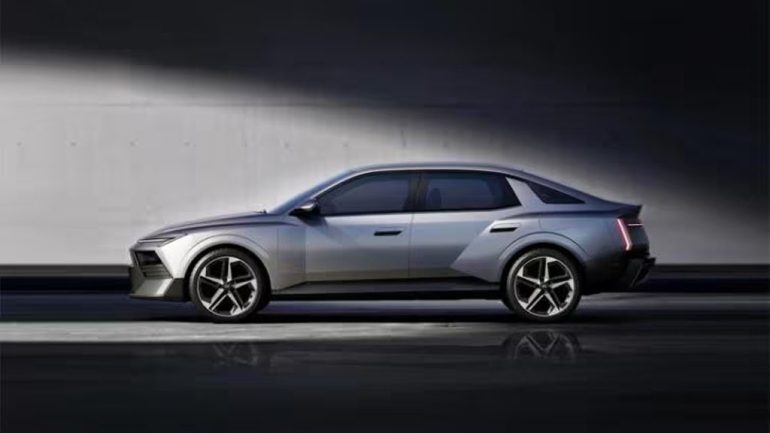
That added length is not just for show. The new Elantra stretches 187.6 inches overall, making it 2.16 inches longer than the outgoing model. Hyundai also added 1.18 inches to the wheelbase, bringing it to 108.2 inches, which should help create a roomier cabin, especially for rear-seat passengers. Width is up as well, now measuring 73 inches, while the car is slightly taller than before at 56 inches. Hyundai is even positioning the new Elantra as having near midsize levels of space, which could be a big selling point for shoppers who want Sonata-like room in a smaller, more efficient package.
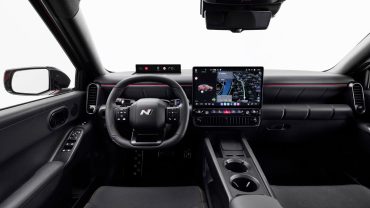
Inside, the 2027 Elantra takes a noticeable step up in both design and technology. The dashboard is cleaner and more modern, centered around Hyundai’s new Android-based Pleos infotainment system. A 12.9-inch touchscreen comes standard, while a larger 14.6-inch display will be available. Thankfully, Hyundai has not gone all-in on screen-only controls, as traditional buttons and switchgear remain below the display. A slim digital instrument cluster sits directly in the driver’s line of sight, while the steering wheel swaps the traditional Hyundai logo for the brand’s four-dot Morse code H signature.
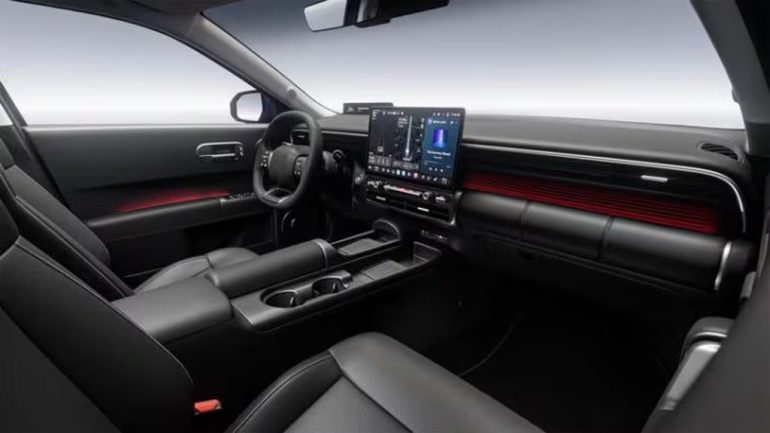
The cabin also appears to be much more thoughtfully packaged. Moving the gear selector behind the steering wheel opens up space in the center console, where Hyundai now fits two wireless charging pads. Ambient lighting spreads across the dash and door panels, and the passenger side of the dashboard features a padded, patterned design that gives the interior a more premium feel. It is the kind of detail that makes the Elantra feel less like basic transportation and more like a car that wants to punch above its class.
For South Korea, the Avante will launch with a naturally aspirated 2.0-liter gasoline engine producing 147 horsepower, along with a 1.6-liter hybrid rated at 155 horsepower. The hybrid also gains Hyundai’s latest regenerative braking technology and a new Stay Mode feature that lets occupants use battery power to run systems such as climate control and infotainment while parked. The new Avante is scheduled to go on sale in South Korea in the third quarter of 2026, with the global Elantra expected to follow in 2027. Judging by this first look, Hyundai’s next compact sedan is coming in with more style, more space, and a cabin that could make some rivals feel a generation behind.

Mike Floyd is a finance executive by trade and a car enthusiast at heart. As a CFO with a keen eye for detail and strategy, Mike brings his analytical mindset to the automotive world, uncovering fresh insights and unique perspectives that go beyond the surface. His passion for cars—especially his favorite, the Porsche 911, fuels his contributions to Automotive Addicts, where he blends a love for performance and design with his professional precision. Whether he’s breaking down industry trends or spotlighting emerging innovations, Mike helps keep the site both sharp and forward-thinking.