If your business is shopping a 2026 Ford Transit and you want to know what dealers are actually paying, what a fair price looks like across every configuration, or how to get the best deal before committing to a purchase or fleet order, this guide covers exactly what you need. The Transit is the best-selling full-size commercial van in the United States for good reason: no other cargo van matches its combination of roof height options, wheelbase and body length flexibility, available all-wheel drive, and upfit-ready pre-wiring for aftermarket builds. For 2026, Ford made the Co-Pilot360 safety suite standard across every Transit, added a 12-inch SYNC 4 touchscreen as standard equipment, and brought fleet-specific technology including Remote Acceleration Limiter, Fleet Start Inhibit, and Ford Pro Telematics to more configurations than ever before. Edmunds’ own data shows buyers and fleet buyers currently paying about 6 percent below MSRP on average, with the T-250 Medium Roof delivering up to 7.4 percent off, translating to real savings of roughly $3,200 or more per unit before fleet volume or commercial incentives are applied. Click the “Get Prices” button above to use our Insider Access to Dealer Pricing tool and get real competitive quotes from Ford dealers near you in minutes.
The 2026 Transit Cargo Van starts at $48,400 for the T-150, climbing to $49,400 for the T-250, and reaching $55,800 for the heavy-duty T-350 HD with dual rear wheels. The Passenger Van XLT starts at $61,655, and the all-electric nsit begins at $53,260 for operations where zero-emission requirements or fuel cost reduction is a priority. These base figures represent rear-wheel-drive standard-wheelbase configurations and shift considerably once roof height, body length, wheelbase, AWD, and engine choice are factored in across the full 246.7 to 487.3 cubic-foot cargo volume range. With 13,967 Transit Cargo Van units in nationwide inventory and a median time on dealer lots of 58 days versus the overall market’s 27-day average, Edmunds specifically notes demand is relatively soft, a condition that typically translates to more negotiating leverage for buyers who shop multiple dealers rather than committing to the first quote received.
The Transit’s closest commercial rivals are the Ram ProMaster, Mercedes-Benz Sprinter, and Chevrolet Express. TrueCar specifically positions the Transit as the leading choice for operators who want driving refinement and modern technology alongside commercial capability, while the ProMaster undercuts it on price with front-wheel drive and the Sprinter offers diesel and EV options at a higher cost. For fleet operations where driving experience, upfit flexibility, and Ford Pro connectivity matter as much as base sticker price, the Transit’s premium over some alternatives is worth quantifying against total cost of operation rather than purchase price alone. Our Insider Access to Dealer Pricing tool puts real competing local dealer quotes in front of you before you commit to any purchase or fleet order.
The invoice price is what a Ford dealer paid Ford Motor Company for the vehicle on their lot, and on the 2026 Transit, the gap between MSRP and dealer invoice typically runs approximately $2,000 to $3,500 depending on configuration, with the wider dollar spread on T-350 HD and Passenger Van trims given their higher price points. The invoice figure is your negotiating anchor for any single-unit purchase, not the window sticker.
Ford’s dealer holdback adds roughly 2 to 3 percent of base MSRP back to the dealer after each vehicle sells, which on a $49,400 T-250 represents approximately $990 to $1,480 in additional margin beneath the invoice figure entirely. For fleet buyers purchasing multiple units, Ford’s commercial vehicle programs, including the Ford Business Preferred pricing and Ford Pro commercial account structures, can create additional savings beyond what a single-unit invoice negotiation achieves. Edmunds confirms no general customer cash rebates are currently in place on the Transit, meaning the negotiating focus belongs on the selling price itself rather than waiting for promotional rebates that are not currently active. For multi-unit fleet orders specifically, ask your Ford dealer directly about Fleet Account pricing through Ford’s commercial programs, since those structures exist separately from the consumer invoice negotiation that applies to single-unit buyers.
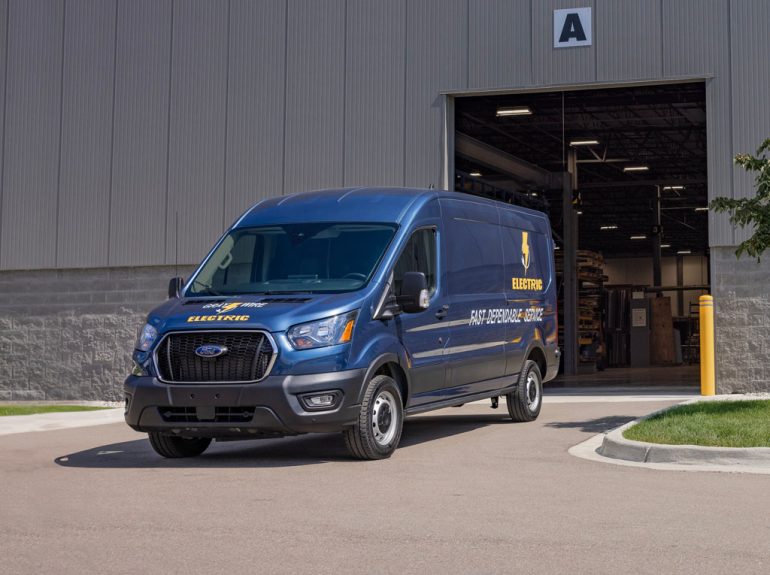
Unlike consumer vehicles where trim name is the primary pricing driver, the Transit’s final price is determined more by its physical configuration than by XL versus XLT designation. Understanding these choices before you request any dealer quote ensures you are comparing the right configurations against each other rather than getting mismatched quotes on different-sized vehicles.
Roof Height: Low, Medium, or High
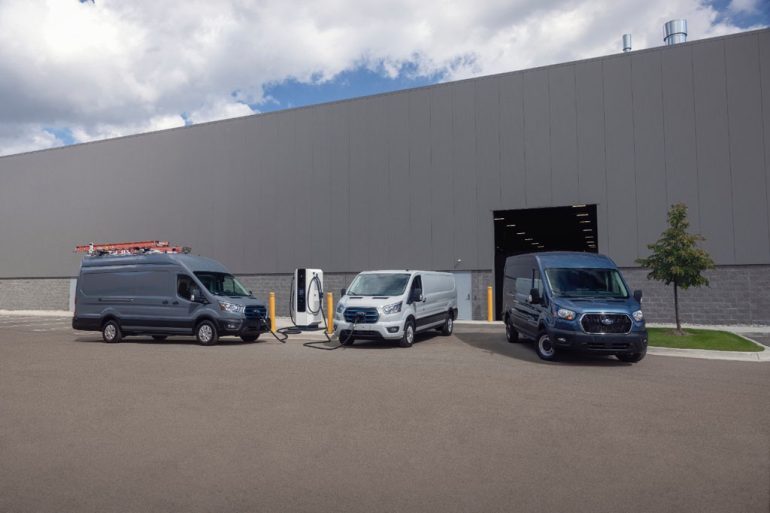
The Transit offers three roof heights across the cargo van lineup. The Low Roof ranges from 82.4 to 82.9 inches in overall height, suited for applications where parking garage clearance matters. The Medium Roof ranges from 99.1 to 101.3 inches and delivers walk-in working height for most operators. The High Roof reaches 109.6 to 110.4 inches and allows full standing height inside the cargo area, essential for upfits requiring interior work space. Edmunds specifically notes the T-250 Medium Roof is currently the most discounted configuration at approximately 7.4 percent below MSRP, making it the strongest single-unit value in the lineup right now if that configuration fits your operation.
Weight Class: T-150, T-250, T-350, T-350 HD
TrueCar identifies the T-250 as the sweet spot for most small businesses and contractors, balancing payload and towing capability against price at $49,400. The T-350 HD with dual rear wheels starts at $55,800 and is built for intensive commercial use including heavy fleet delivery, mobile workshops, and applications where maximum payload is a daily requirement. Maximum payload reaches 5,103 pounds on the T-350 HD High Roof Extended Length Cargo Van with dual rear wheels, the highest in the lineup and among the highest in the commercial van segment.
Wheelbase and Body Length
Cargo vans are available in two wheelbases and three lengths, while Passenger Vans come in one wheelbase and two lengths. The right combination for your operation depends on route type, parking environment, and cargo volume requirements. Short-wheelbase variants offer noticeably tighter turning radius, which TrueCar specifically calls out as a real operational advantage in urban delivery environments.
Engine: 3.5L V6 or 3.5L EcoBoost V6
The standard 3.5-liter port fuel direct injection V6 produces 275 horsepower and 262 lb-ft of torque, adequate for most commercial applications and returning better fuel economy than the EcoBoost upgrade. The available 3.5-liter EcoBoost V6 delivers 300 horsepower and 400 lb-ft of torque, a substantial torque advantage for heavy towing, uphill operation, or loaded high-roof configurations where the extra power delivers real operational value.
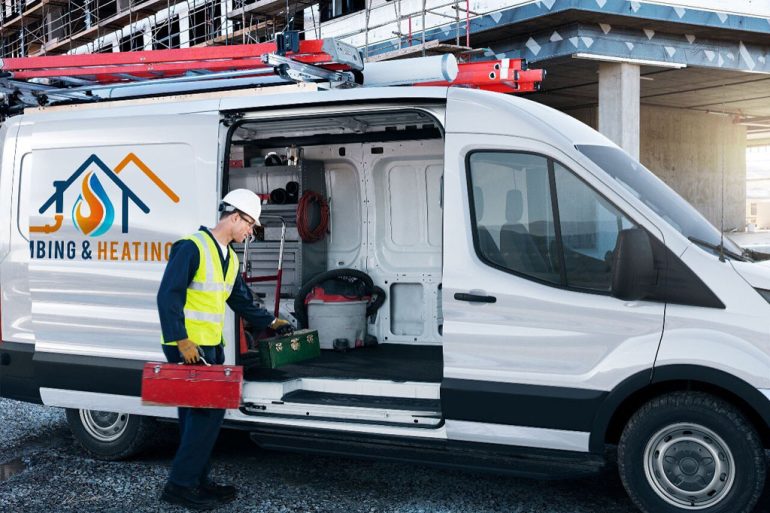
Ford specifically designed the 2026 Transit’s new technology additions around fleet operator needs rather than consumer features, and several of them represent genuine operational value rather than marketing additions. Ford Co-Pilot360, now standard across the full Transit lineup, includes forward collision warning with pedestrian detection, automatic emergency braking, lane keeping assist, and evasive steering assistance, capabilities that reduce accident frequency and insurance claims in fleet environments. Front and rear parking sensors are also now standard, Edmunds specifically notes these as tremendously helpful for maneuvering a large commercial van in tight delivery environments.
Available fleet-specific additions include the Remote Acceleration Limiter, which allows fleet managers to set maximum speed limits remotely for individual vehicles; Fleet Start Inhibit, which prevents unauthorized vehicle starts outside assigned schedules; Vehicle Integration System 2.0 Software for upfit-ready electrical connectivity; a Vehicle Maintenance Monitor that tracks service intervals; and Ford Pro Telematics for real-time fleet visibility on vehicle location, utilization, fuel use, and driver behavior. The Transit’s built-in 5G modem supports over-the-air updates and real-time connectivity for these systems. For multi-vehicle fleets, these tools have direct impact on total cost of operation that can exceed the value of any single-unit discount.
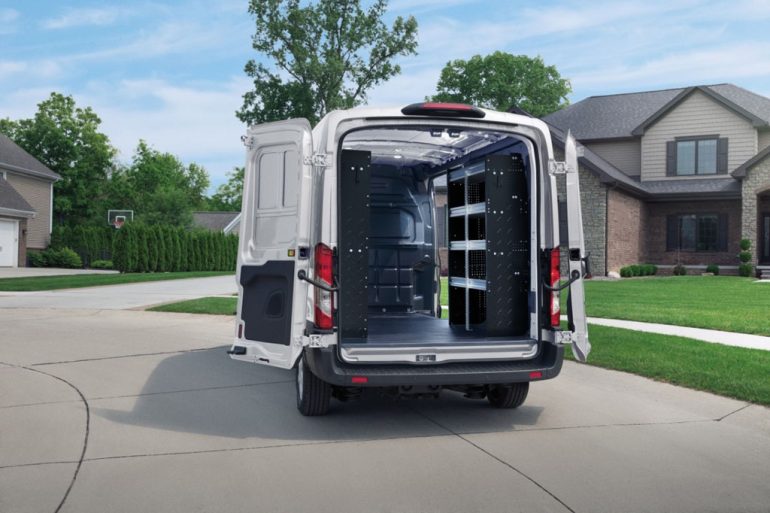
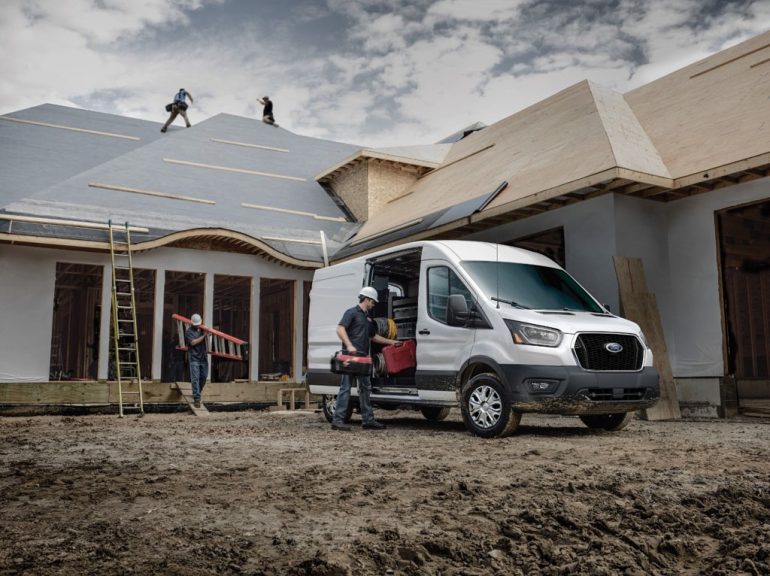
TrueCar specifically highlights that 2026 Transit models are pre-wired for upfit integration, supporting better aftermarket installations without voiding factory warranties. This is a meaningful operational detail for any business planning a shelving, partition, refrigeration, aerial lift, or specialty upfit build: the electrical pre-wiring reduces upfit installation time and cost while maintaining warranty coverage on the factory components. For businesses evaluating the Transit against the Ram ProMaster or Sprinter specifically for upfit builds, the Transit’s upfit ecosystem, including Ford’s Qualified Vehicle Modifier program that works with certified upfitters, is worth factoring into the total cost comparison alongside the base vehicle price.

Based on Edmunds’ confirmed 6 percent average discount and the T-250 Medium Roof’s 7.4 percent, here is what a well-negotiated outcome looks like across the core Transit configurations. On the T-150 Cargo Van, targeting $45,500 to $46,500 reflects a competitive single-unit result. On the T-250 Cargo Van, the current sweet spot, $46,000 to $47,500 is achievable with competing quotes from multiple Ford dealers. On the T-350 HD, targeting $52,500 to $54,000 represents a fair outcome for a well-prepared buyer. On the Passenger Van XLT, targeting $57,500 to $59,500 reflects what prepared buyers are achieving. For fleet orders of multiple units, these per-unit figures represent a floor rather than a ceiling, and Ford’s commercial account programs can create incremental savings beyond what single-unit negotiation achieves.
These benchmarks assume you have gathered quotes from multiple local Ford dealers or Ford Pro commercial dealers, specified the exact configuration including roof height, body length, wheelbase, engine, and drivetrain before comparing any two quotes, and asked directly about Ford Business Preferred or fleet account pricing if you are purchasing two or more units.
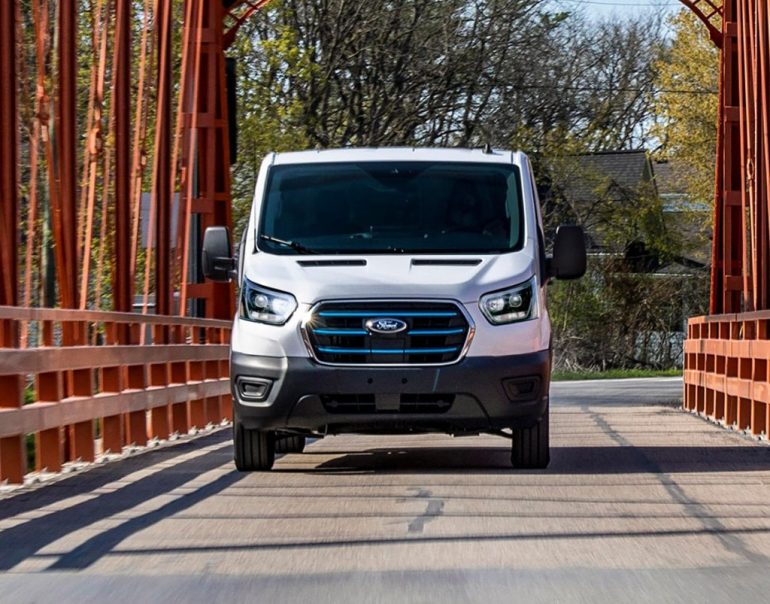
With 13,967 units in nationwide inventory, 58 days average on dealer lots, and Edmunds confirming 6 percent below MSRP in real transactions, the current market strongly favors buyers who shop multiple Ford dealers before committing to any single quote. Click the “Get Prices” button above to use our Insider Access to Dealer Pricing tool, select the Transit configuration your business needs, and get real pricing from local Ford commercial dealers competing for your purchase within minutes.
No showroom visit, no obligation, and no pressure. You get actual competitive quotes from local dealers competing for your business, alongside the invoice benchmarks in this guide, giving your operation everything needed to negotiate the best possible per-unit price on the commercial van that leads its segment in configurability, fleet technology, and upfit flexibility.

Darryl Taylor Dowe is a seasoned automotive professional with a proven track record of leading successful ventures and providing strategic consultation across the automotive industry. With years of hands-on experience in both business operations and market development, Darryl has played a key role in helping automotive brands grow and adapt in a rapidly evolving landscape. His insight and leadership have earned him recognition as a trusted expert, and his contributions to Automotive Addicts reflect his deep knowledge and passion for the business side of the car world.