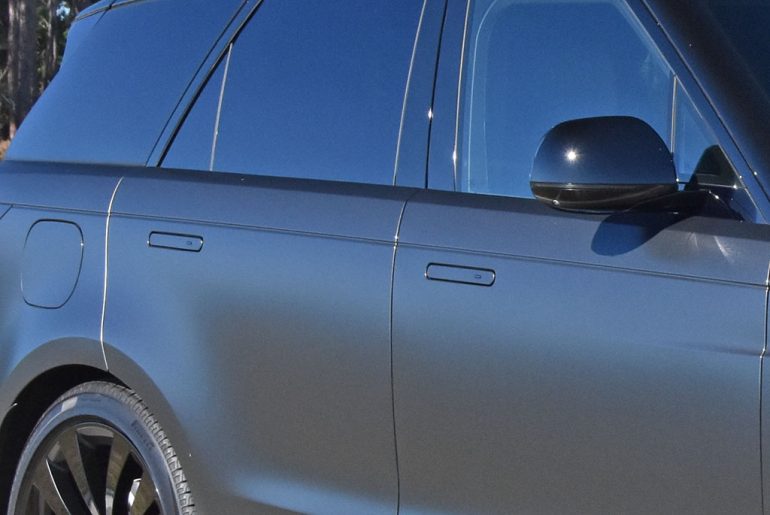
Automotive design has been on a long march toward cleaner shapes, better aerodynamics, and tech-heavy everything, but door handles may be one place where the industry has gotten a little too clever. After several high-profile incidents involving vehicle doors that could not be opened after crashes or power loss, the National Highway Traffic Safety Administration is now gathering information to determine whether new safety standards are needed for emergency vehicle exits. The move follows a petition involving the 2022 Tesla Model 3, though any future rules would apply broadly to automakers selling vehicles in the United States.
The issue is not simply that flush door handles can be annoying to explain to passengers at the airport pickup lane. The bigger concern is that many modern designs rely on electronic releases, hidden backup latches, or emergency procedures that may not be obvious in a panic situation. As Bloomberg has reported in its broader coverage of electric-door complaints, the problem is no longer limited to one brand. Tesla helped popularize flush and electronically operated handles, but plenty of automakers have followed with their own versions, often chasing a sleeker look and small aerodynamic gains.
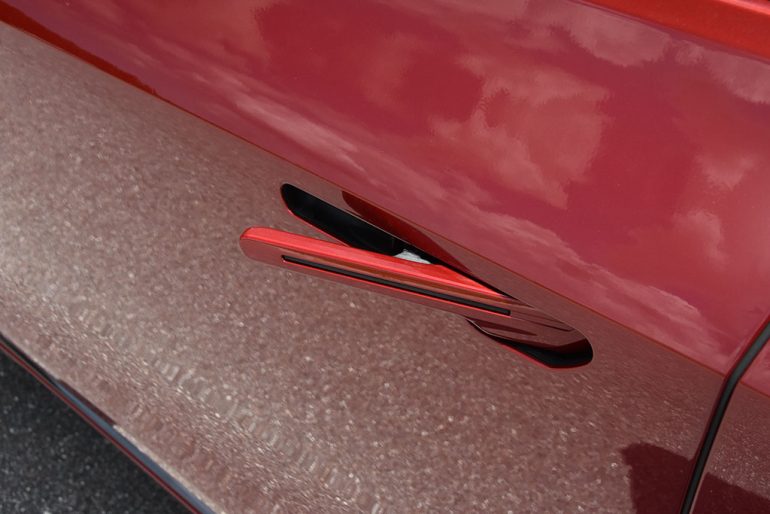
Reuters reports that NHTSA denied a petition seeking a defect investigation into emergency door releases on certain 2022 Tesla Model 3 vehicles, but the agency also granted a separate petition to consider whether new regulations are needed to address occupant entrapment when vehicles lose electrical power. That distinction matters. NHTSA is not just looking at one vehicle or one automaker. It is asking whether the rules themselves need to evolve now that more vehicles depend on powered latches, electronic handles, and less intuitive manual releases.
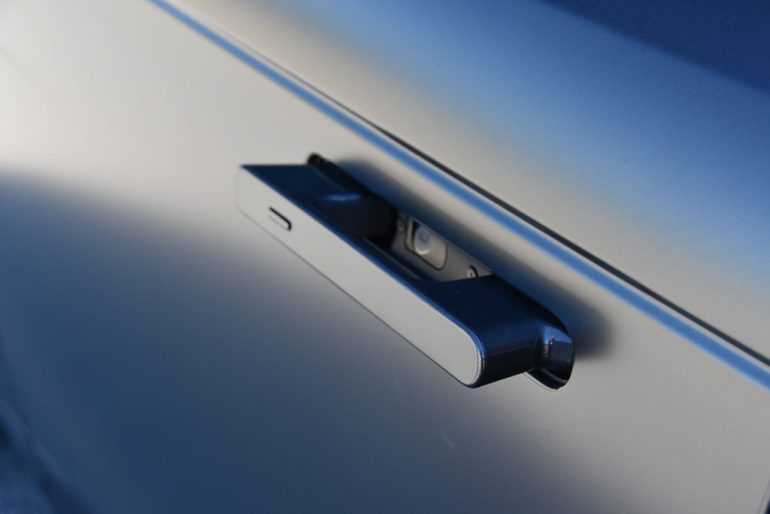
This is where we keep coming back to the same point we have said many times in conversation: some of these fancy new door handles may simply have too many potential failure points. A traditional mechanical handle is easy to understand, easy to find, and usually easy to operate under stress. Once designers add motors, sensors, pop-out mechanisms, power-dependent latches, hidden releases, and software logic, the door may look cleaner, but the safety equation becomes more complicated. That matters most when seconds count, especially after a crash, fire, or total electrical failure.
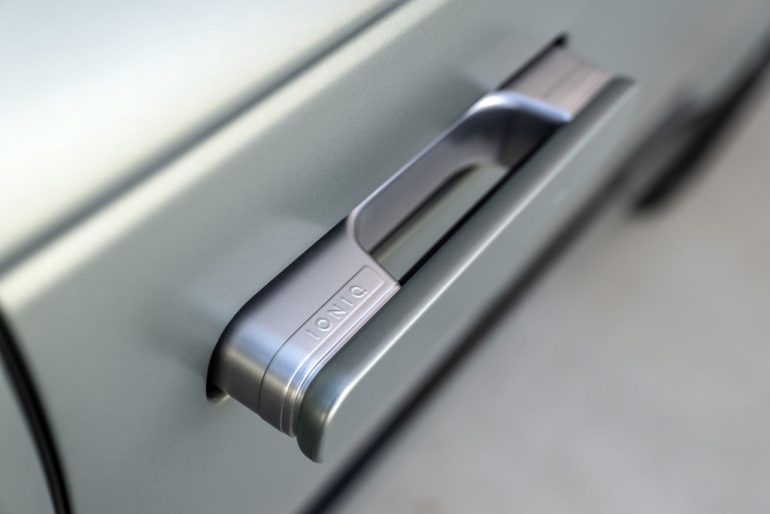
Tesla has already indicated it is working on redesigned door handles, and Rivian has also moved to rethink aspects of its door-handle approach. That suggests automakers know this topic is not going away. The challenge for regulators will be creating rules that preserve design freedom while making emergency exits obvious, reliable, and usable by occupants, first responders, and even passengers unfamiliar with the vehicle. Flush handles may continue to exist, but the industry needs to make sure style and clever engineering never get in the way of getting people out safely.

Lloyd Tobias is a seasoned automotive journalist and passionate enthusiast with over 15 years of experience immersed in the world of cars. Whether it’s exploring the latest advancements in automotive technology or keeping a close pulse on breaking industry news, Lloyd brings a sharp perspective and a deep appreciation for all things automotive. His writing blends technical insight with real-world enthusiasm, making his contributions both informative and engaging for readers who share his love for the drive. When he’s not behind the keyboard or under the hood, Lloyd enjoys test driving the newest models and staying ahead of the curve in an ever-evolving automotive landscape.