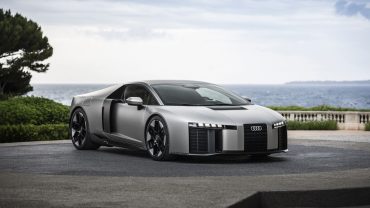
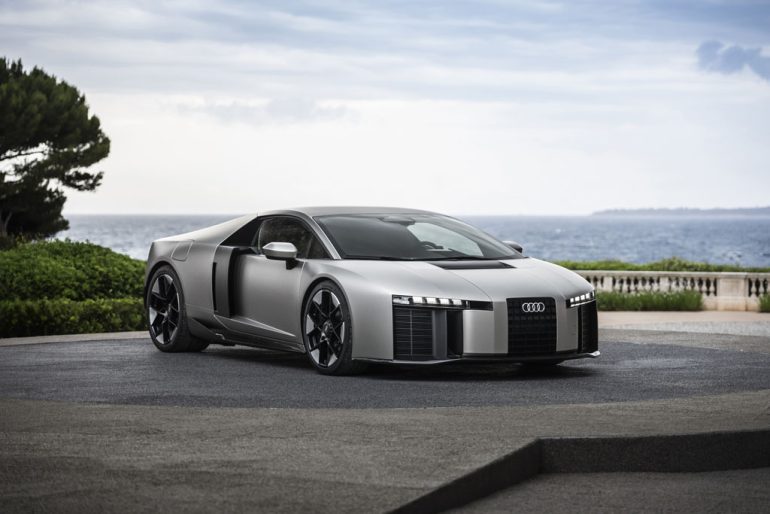
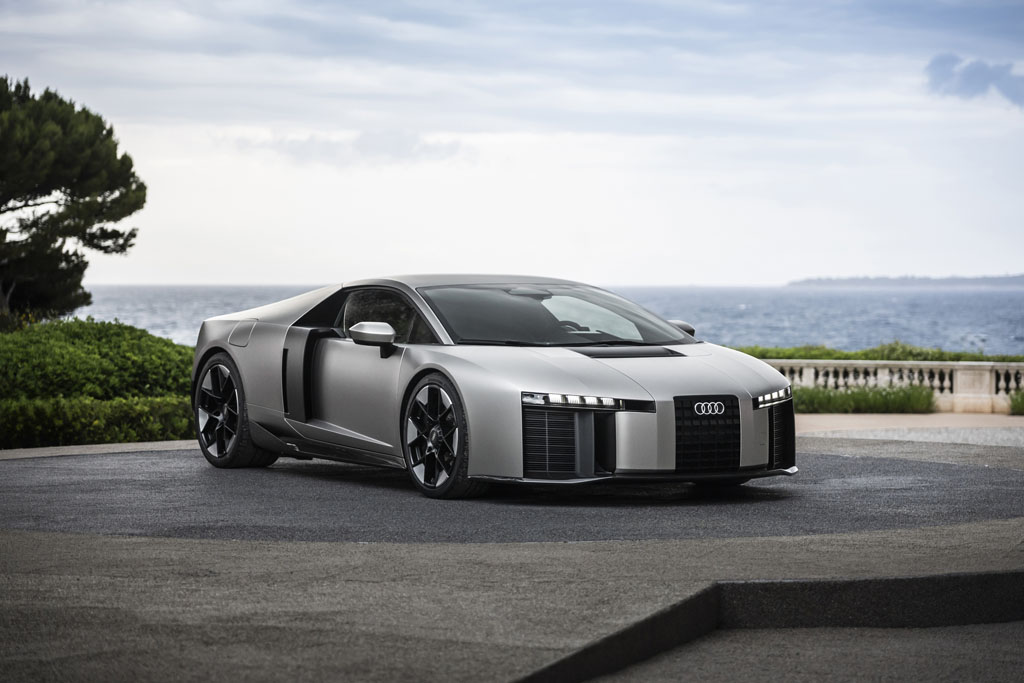
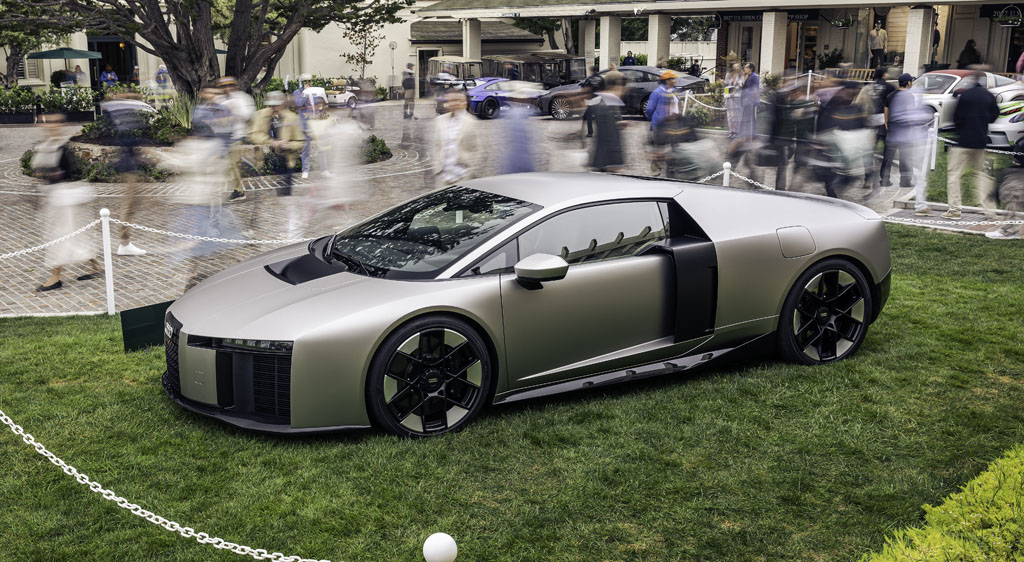
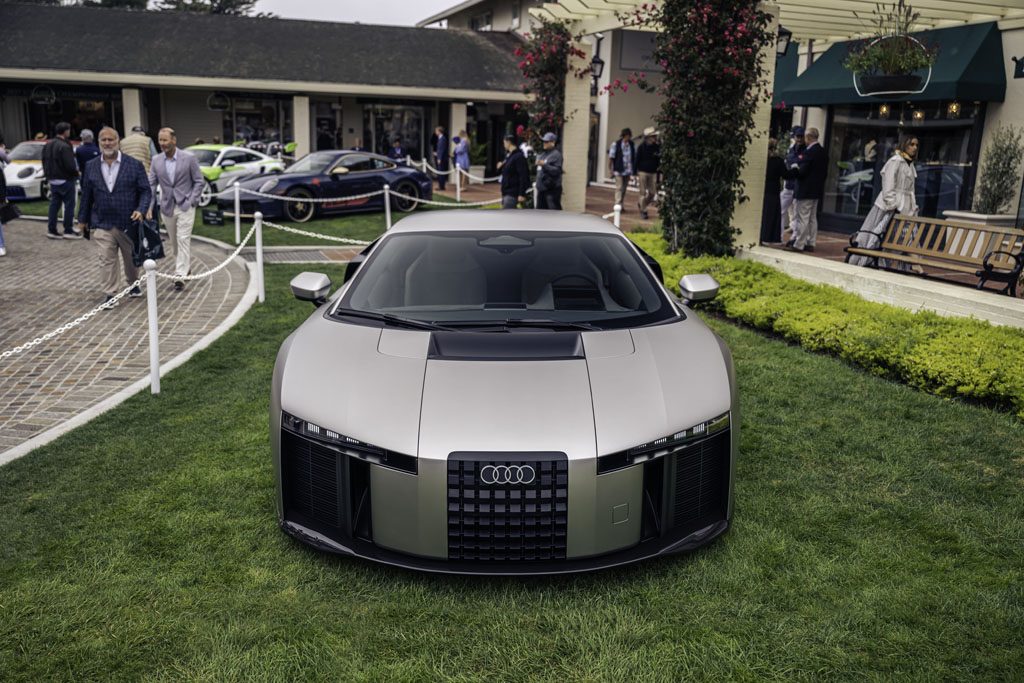
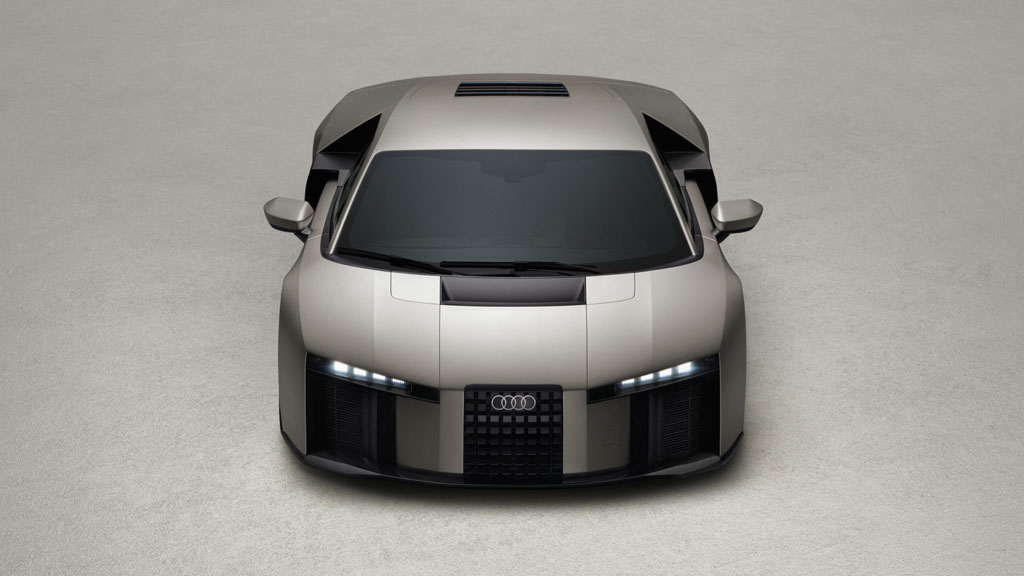
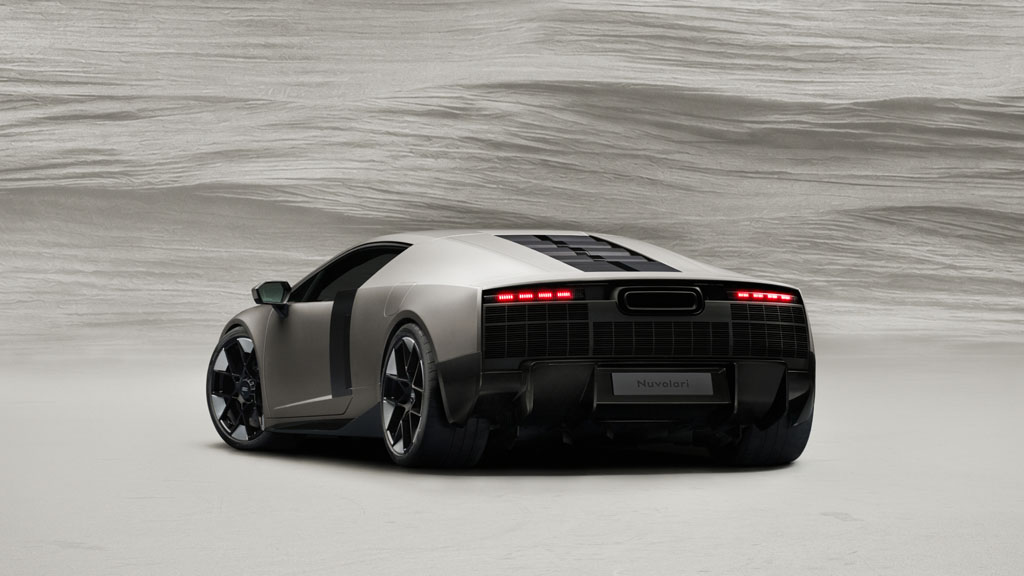
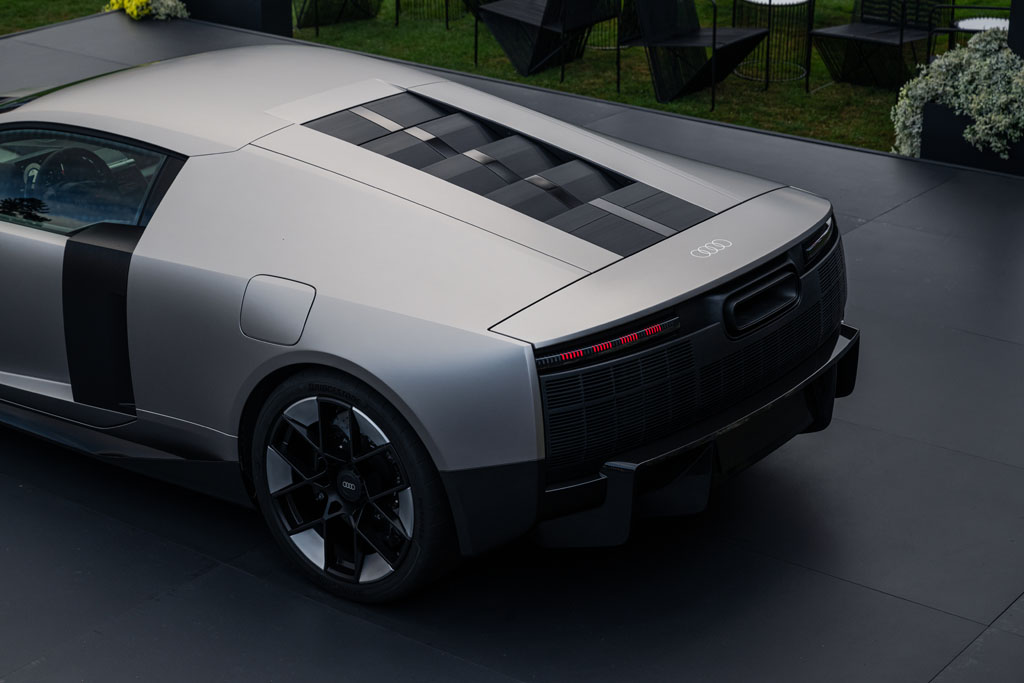
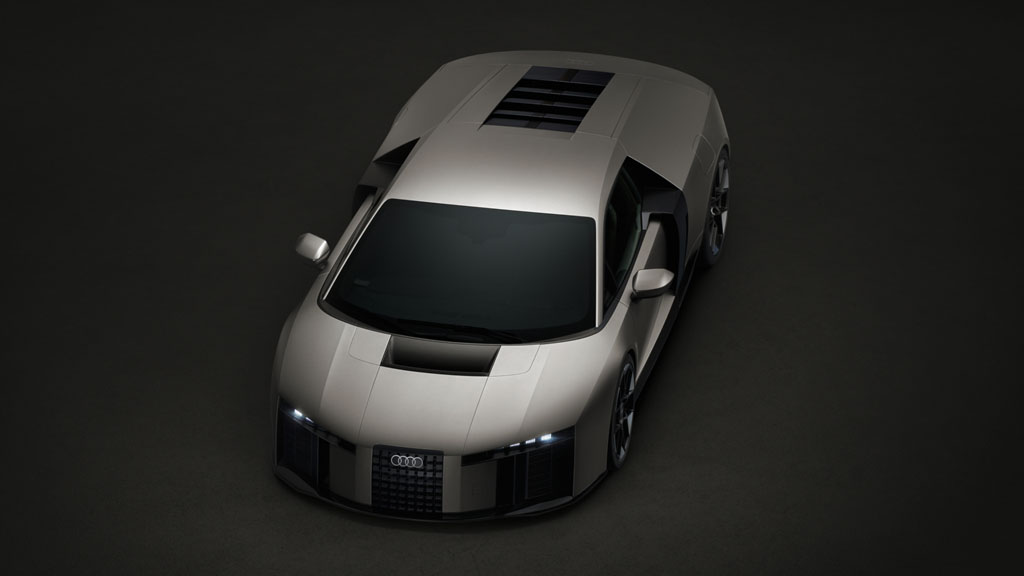
Audi has built plenty of seriously fast cars, but the 2028 Audi Nuvolari appears to be operating on an entirely different level. Following its North American road debut during Monterey Car Week, a small group of automotive journalists were given brief drives in Audi’s only fully functioning Nuvolari prototype. Various automotive outlets like Car and Driver, Motor1, MotorTrend, and Road & Track all came away with slightly different observations, but there is an unmistakable theme running through their impressions. This nearly 1,000-horsepower machine is not simply an Audi interpretation of the Lamborghini Temerario underneath. It feels like Audi is using the Nuvolari to rediscover the technical ambition, obsessive engineering, and understated confidence that once defined some of its most memorable cars.
The numbers alone put the Nuvolari in rare company. Its twin-turbocharged 4.0-liter V8 works with three electric motors to produce an estimated 987 horsepower, or 1,001 PS, sent through an eight-speed dual-clutch transmission and an advanced all-wheel-drive system. The V8 itself produces 789 horsepower and can spin all the way to 10,000 rpm. Audi claims 0 to 100 km/h, roughly 62 mph, in 2.6 seconds and a top speed beyond 217 mph. Only 499 examples are planned, with pricing expected around $700,000 and U.S. deliveries beginning in 2028. Those figures establish the Nuvolari’s credentials, but the early drives suggest its most impressive quality may be how naturally all of that technology works together.
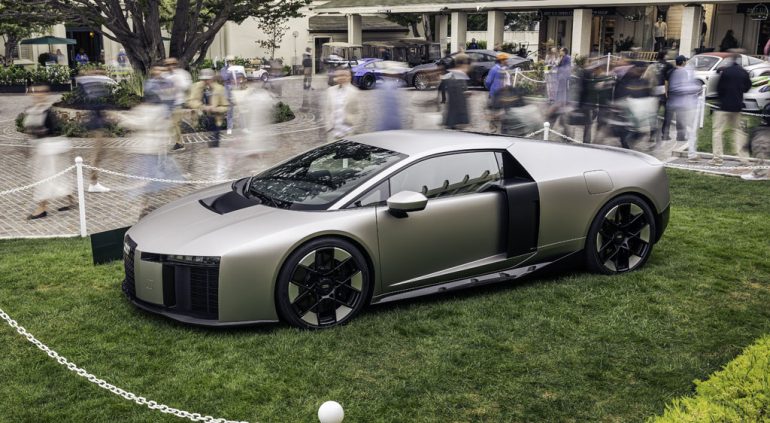
Car and Driver’s time behind the wheel highlighted what might become the Nuvolari’s defining dynamic characteristic, its immediacy. Steering response was described as exceptionally quick without making the car nervous, while shifts from the dual-clutch gearbox seemingly arrive almost as soon as the driver requests them. The carbon-based brakes also stood out for their immense stopping power. Perhaps more importantly, the electric motors do not make the Nuvolari feel like two different powertrains fighting for attention. Electric torque fills the lower end and helps manipulate the car’s cornering attitude, yet what reportedly dominates from the driver’s seat is the sound and response of that high-revving V8. For a modern plug-in hybrid supercar, that integration may be one of Audi’s biggest accomplishments.
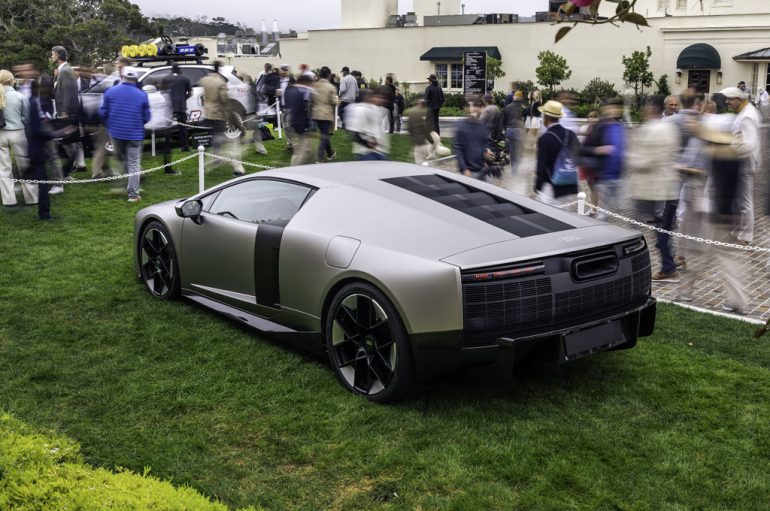
MotorTrend and Motor1 both came away particularly impressed by the suspension and body control. Audi calls its chassis technology Quattro Predictive Ride, a system capable of anticipating what individual wheels need and adjusting propulsion or braking accordingly. On the rough, narrow private roads used for these early drives, the Nuvolari reportedly maintained exceptionally disciplined body movements. MotorTrend noted that the ride is firm, but impacts are handled cleanly without unnecessary secondary motions. Motor1 similarly identified the damping as one of the clearest strengths that could be evaluated during such a short, supervised drive. That distinction matters because Audi does not appear to be chasing the deliberately theatrical behavior of its Lamborghini relative. Instead, the Nuvolari seems focused on precision, composure, and making enormous performance easier for the driver to access.
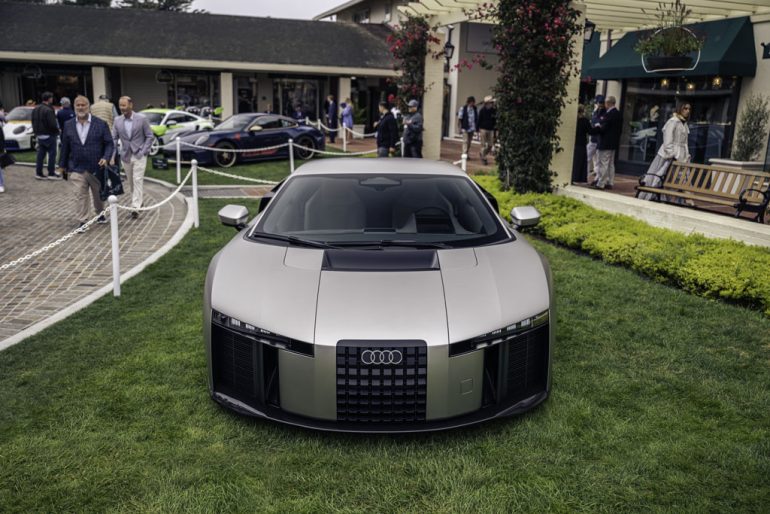
That difference from the Lamborghini Temerario may ultimately explain what the Nuvolari is all about. Audi executives involved with both cars have described the Lamborghini as something that should retain a certain wildness, while the Audi is intended to cooperate with its driver. The predictive all-wheel-drive system can prepare torque vectoring before the driver even realizes it is needed, potentially correcting understeer or helping position the car through a corner. None of the journalists were able to explore the limits of the chassis during these initial drives, and each was understandably cautious with the only roadworthy Nuvolari prototype in existence. Still, the early consensus is that the technology does not isolate the person behind the wheel. It appears to make the car feel more precise and more capable without removing the sensation of actually driving it.
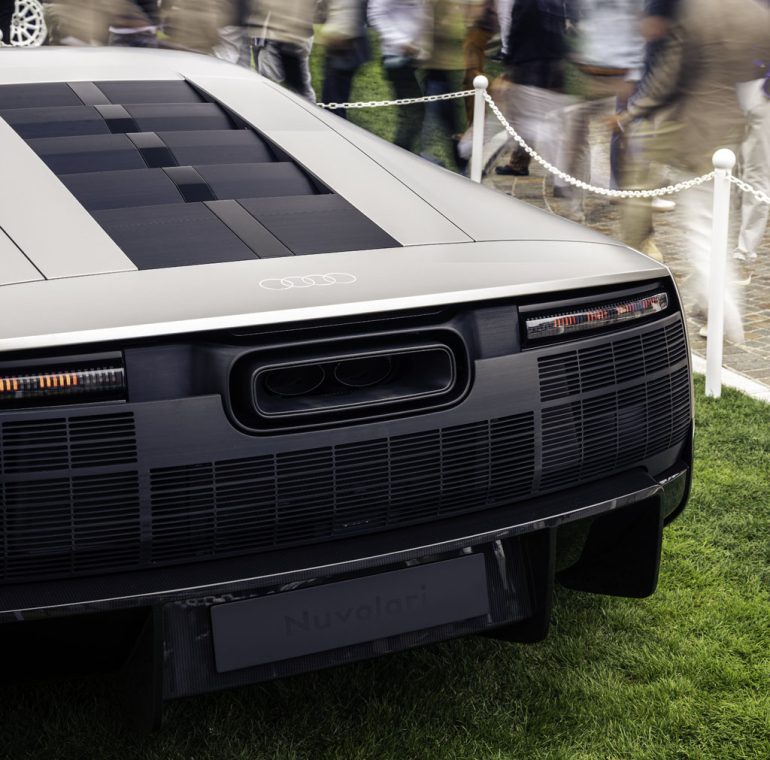
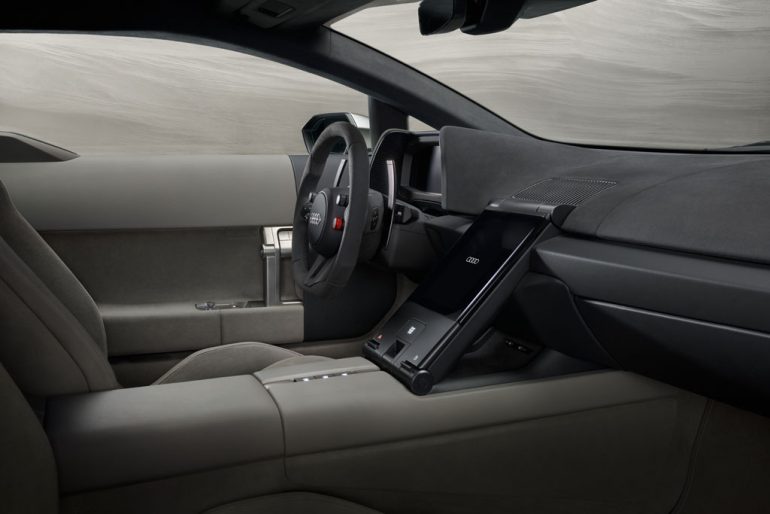
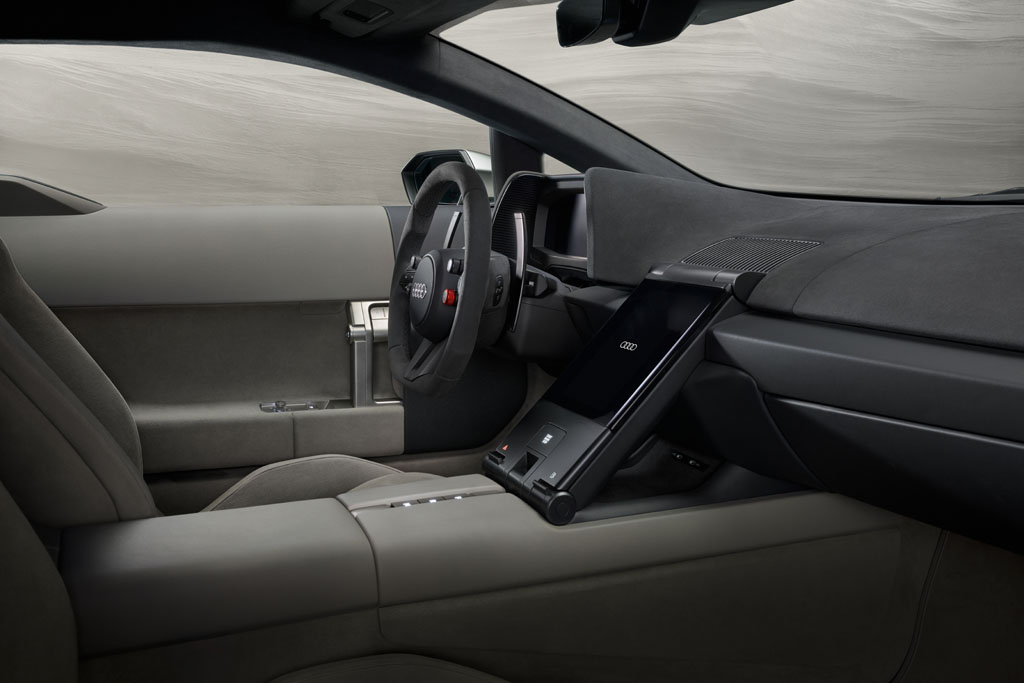
Road & Track focused heavily on another aspect that could prove just as important as outright performance: craftsmanship. The Nuvolari’s cabin deliberately avoids the wall-of-screens approach that has become common across expensive modern vehicles. Instead, Audi uses real aluminum, carefully weighted physical switches, manually adjusted carbon-fiber seats, and beautifully machined air vents and controls. Even reviewers who only had a short time in the car noticed the tactility of the cabin. That attention to physical detail feels significant because the Nuvolari is considerably more expensive and exclusive than the Lamborghini with which it shares basic architecture. Audi appears determined to justify that difference through engineering, materials, and design rather than relying only on horsepower.
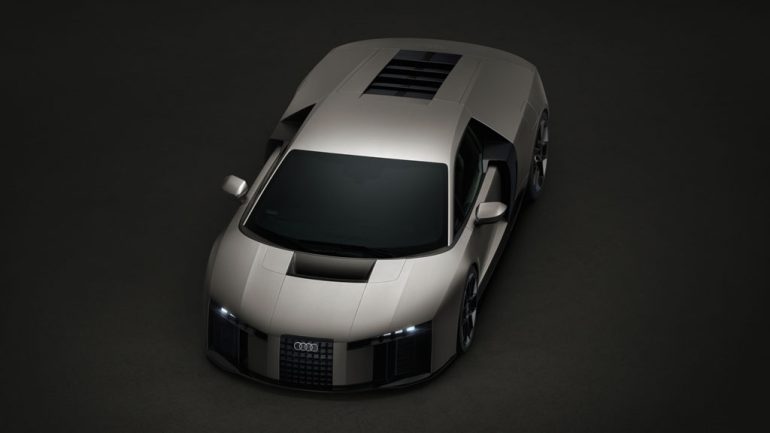
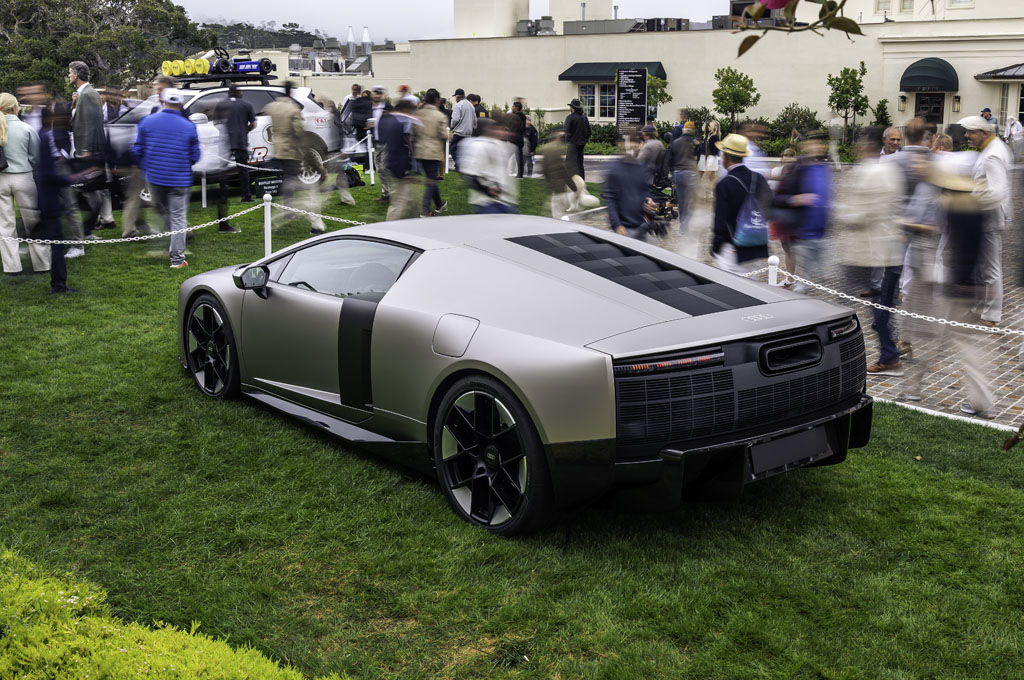
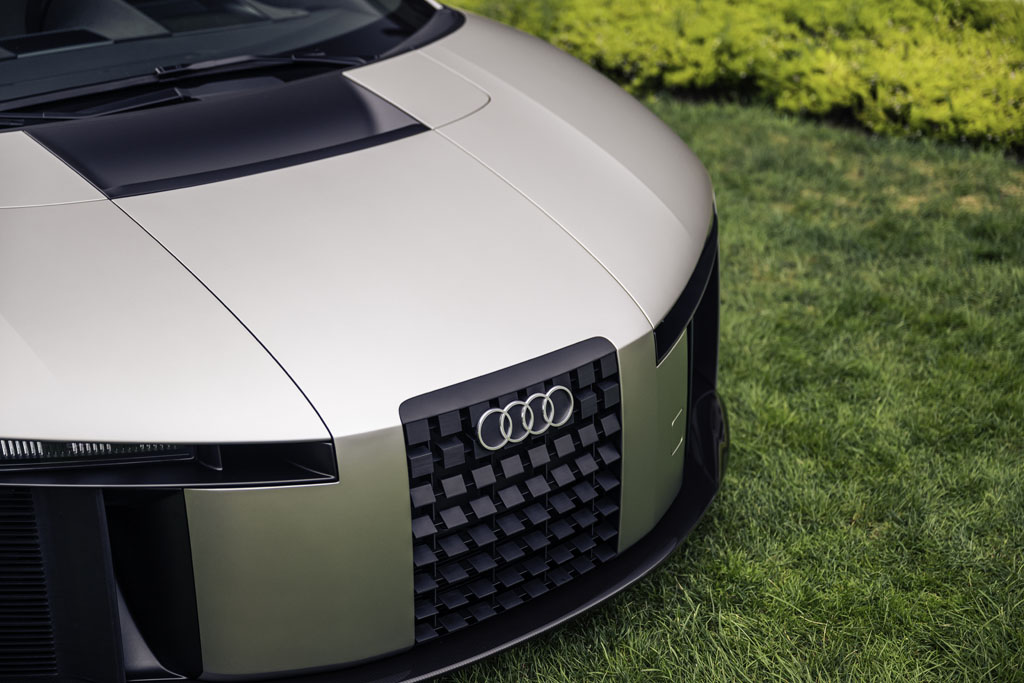
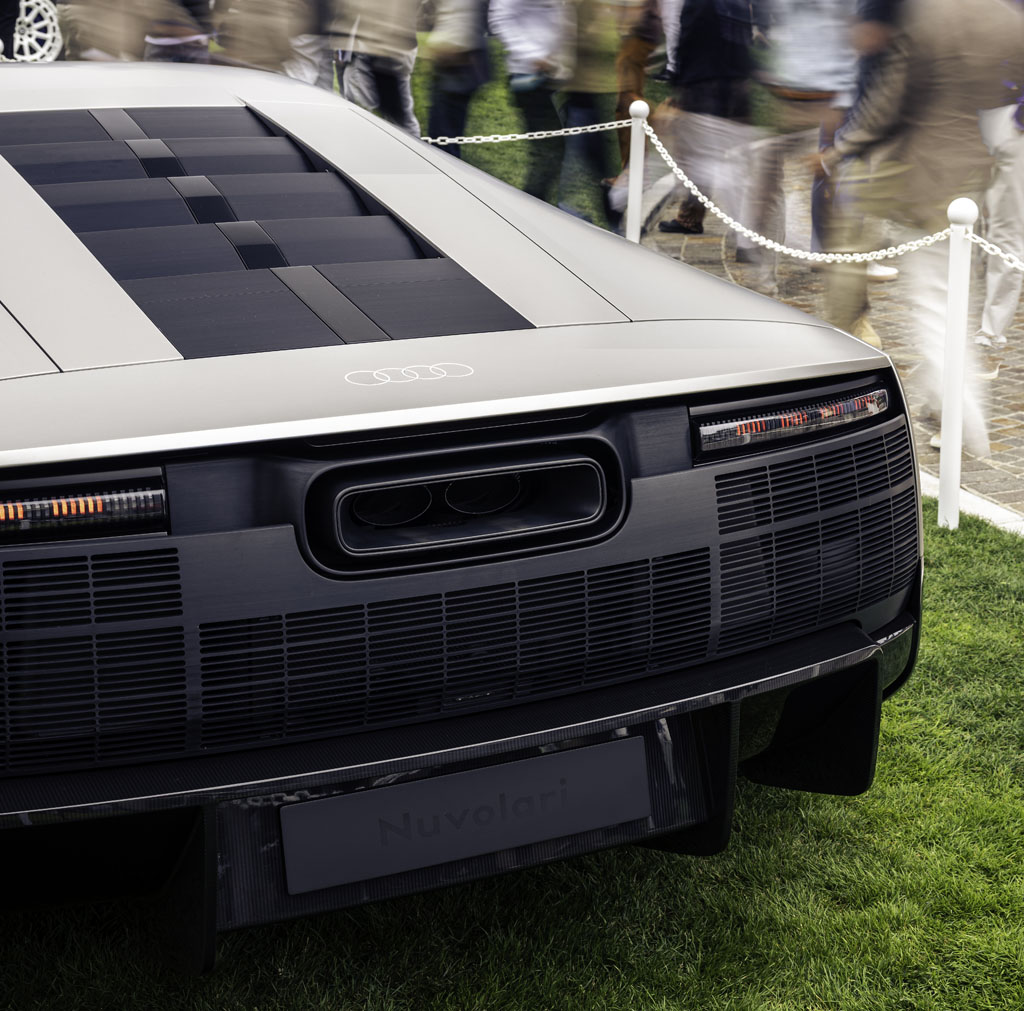
For something this exotic, the Nuvolari also seems surprisingly approachable. Road & Track found the seats supportive and comfortable during its brief drive and noted that getting in and out was unusually easy for a supercar. Forward visibility is reportedly good, although there is essentially no direct view out the rear, so production cars will rely on a camera-based rearview display. Car and Driver also found the prototype remarkably complete considering it was developed from proposal to running vehicle in only 405 days. There is very little traditional luggage space because the front of the car is occupied by an aerodynamic S-duct, but Audi plans fitted luggage for the area behind the seats. Owners may not want to plan a cross-country move in one, but this does not sound like a temperamental track special that becomes exhausting away from perfect pavement.
The most important caveat is that none of these first drives were full evaluations. Journalists were asked not to push the prototype hard, the road was tight, and nearly 1,000 horsepower is impossible to properly assess under those conditions. MotorTrend pointed out that even second gear provided more than enough performance for the available road, while Road & Track barely had an opportunity to dig deeply into the throttle. Questions remain about ultimate handling balance, track behavior, high-speed stability, thermal performance, and how the Nuvolari feels when its massive powertrain is finally allowed to stretch its legs. Those answers will have to wait until production cars become available for more extensive testing.
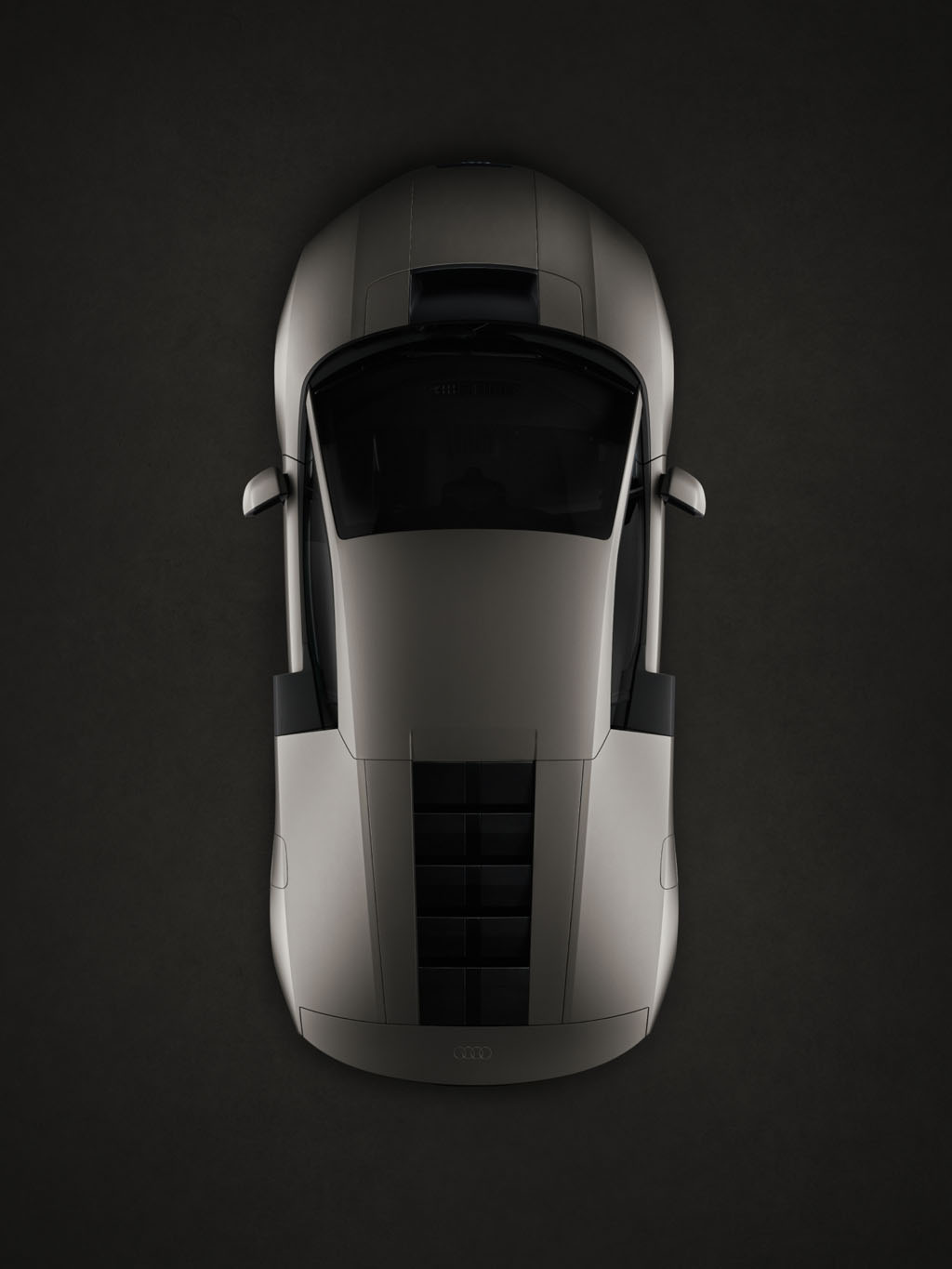
Even with those limitations, the collective first impression is unusually encouraging. The Nuvolari appears fast enough to sit comfortably among modern hypercars, but its personality is shaping up as something more distinctly Audi. It is brutally powerful without sounding unruly, technologically sophisticated without feeling detached, and visually radical without resorting to the familiar collection of supercar styling clichés. For the 499 buyers fortunate enough to secure one, the attraction may extend well beyond exclusivity or straight-line speed. Based on what the journalists who have actually driven it are reporting, the Nuvolari could deliver something Audi has been missing since the R8 departed, only at a much higher level of performance, craftsmanship, and ambition. More than a new flagship, it looks increasingly like a statement of what Audi wants its performance cars to become.

Lloyd Tobias is a seasoned automotive journalist and passionate enthusiast with over 15 years of experience immersed in the world of cars. Whether it’s exploring the latest advancements in automotive technology or keeping a close pulse on breaking industry news, Lloyd brings a sharp perspective and a deep appreciation for all things automotive. His writing blends technical insight with real-world enthusiasm, making his contributions both informative and engaging for readers who share his love for the drive. When he’s not behind the keyboard or under the hood, Lloyd enjoys test driving the newest models and staying ahead of the curve in an ever-evolving automotive landscape.