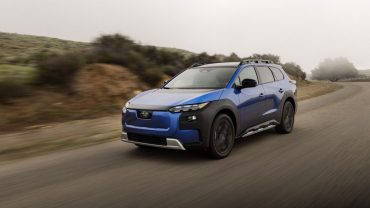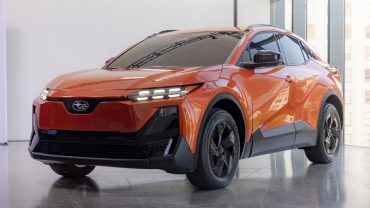
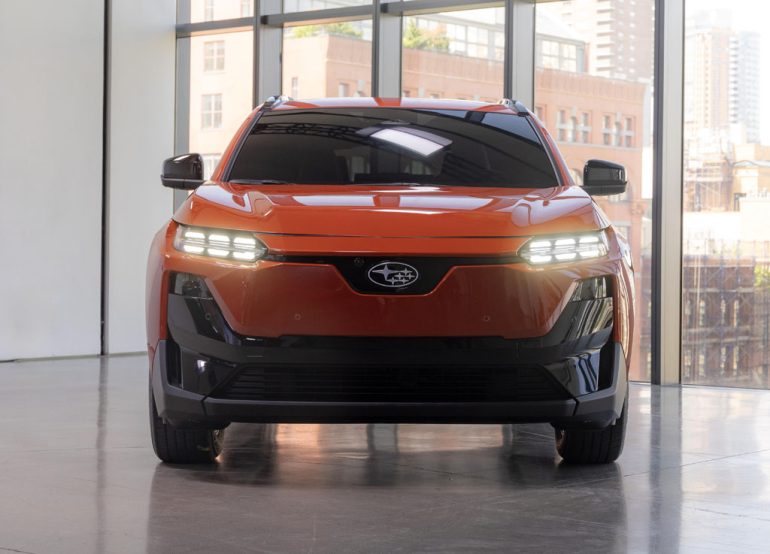
Subaru is preparing to take a major step toward developing electric vehicles on its own terms, and the Japanese automaker has just revealed some promising details about its next-generation EV platform. While Subaru has steadily expanded its electric lineup with vehicles like the Solterra, Uncharted, and Trailseeker, much of the technology behind those models has come through its partnership with Toyota. Now, Subaru wants to establish a more independent identity in the electric vehicle market, focusing on the all-wheel-drive performance, safety, and driving characteristics that have helped define the brand for decades. According to a report from Automotive News, Subaru recently demonstrated an early prototype of its new dedicated EV architecture in Japan, offering a glimpse of technology expected to begin reaching customers around 2029.
Perhaps the most exciting part of Subaru’s announcement is the performance potential of its new electric powertrain. The automaker used a modified Subaru Outback body with an extended wheelbase to demonstrate a dual-motor all-wheel-drive system producing approximately 510 horsepower. The front electric motor generates 201 horsepower, while the rear motor contributes another 308 horsepower, giving the prototype enough muscle to accelerate from 0 to 62 mph in less than four seconds. Those are impressive numbers for a brand traditionally associated with practical, adventure-ready vehicles rather than outright speed. Of course, this doesn’t necessarily mean Subaru is planning a 510-horsepower electric Outback, but it certainly raises some interesting possibilities for future performance-oriented models.
Subaru is also putting considerable effort into making its electric motors smaller, lighter, and more efficient. Developed in collaboration with automotive supplier Aisin, the new motors are reportedly about 30 percent more efficient than the industry average, according to Subaru engineers. That’s a meaningful improvement because electric vehicle efficiency isn’t simply about squeezing more miles out of a battery. More efficient motors can also reduce energy consumption, improve overall vehicle packaging, and potentially help keep production costs under control. Subaru’s new platform incorporates an integrated electronic control unit capable of supporting over-the-air software updates, something that has become increasingly important as modern vehicles rely more heavily on software to manage everything from power delivery to driver-assistance features.
Battery development is another area where Subaru appears to be making substantial progress. Working alongside Panasonic Energy, the company has developed a new battery pack containing approximately 4,000 cylindrical cells. Subaru claims the design is 25 percent lighter than its previous battery while targeting energy density roughly 20 percent higher than the industry average. Combined with the more compact electric motors, the new architecture is said to weigh approximately 220 pounds less than Subaru’s existing EV platform. That’s particularly encouraging because battery weight remains one of the biggest challenges facing electric vehicles, especially SUVs. Less weight can benefit acceleration, handling, braking, and driving range, potentially allowing Subaru to deliver a more balanced electric vehicle without relying on an excessively large battery pack.
Safety hasn’t been overlooked either, which should come as no surprise considering Subaru’s longstanding emphasis on occupant protection. The new platform features a redesigned front structure engineered to better absorb crash energy while protecting both passengers and the battery. Interestingly, the front electric motor has been designed to rotate during certain collisions, helping manage impact forces rather than allowing the motor assembly to become an obstacle during a crash. Subaru is also developing a next-generation version of its EyeSight driver-assistance technology that will incorporate artificial intelligence and an upgraded electronic control system. These developments suggest Subaru is looking beyond horsepower and battery capacity as it builds a foundation for its next generation of vehicles.
Although Subaru hasn’t announced a specific production model or confirmed an exact launch date, company executives indicate that some of the new technology should begin arriving around 2029. The automaker is also continuing to invest in more efficient gasoline engines and hybrid powertrains, recognizing that the transition to fully electric vehicles won’t happen overnight. We think this is an especially interesting direction for Subaru, which has built a loyal following by offering vehicles with a distinct personality rather than simply chasing industry trends. Its relationship with Toyota has certainly helped accelerate its entry into the EV market, but developing its own electric architecture could give Subaru greater freedom to create vehicles that feel more like genuine Subarus. If the company can combine its traditionally capable all-wheel-drive systems with lighter batteries, improved efficiency, and performance approaching 510 horsepower, the next generation of Subaru EVs could be worth getting excited about.

Lloyd Tobias is a seasoned automotive journalist and passionate enthusiast with over 15 years of experience immersed in the world of cars. Whether it’s exploring the latest advancements in automotive technology or keeping a close pulse on breaking industry news, Lloyd brings a sharp perspective and a deep appreciation for all things automotive. His writing blends technical insight with real-world enthusiasm, making his contributions both informative and engaging for readers who share his love for the drive. When he’s not behind the keyboard or under the hood, Lloyd enjoys test driving the newest models and staying ahead of the curve in an ever-evolving automotive landscape.