
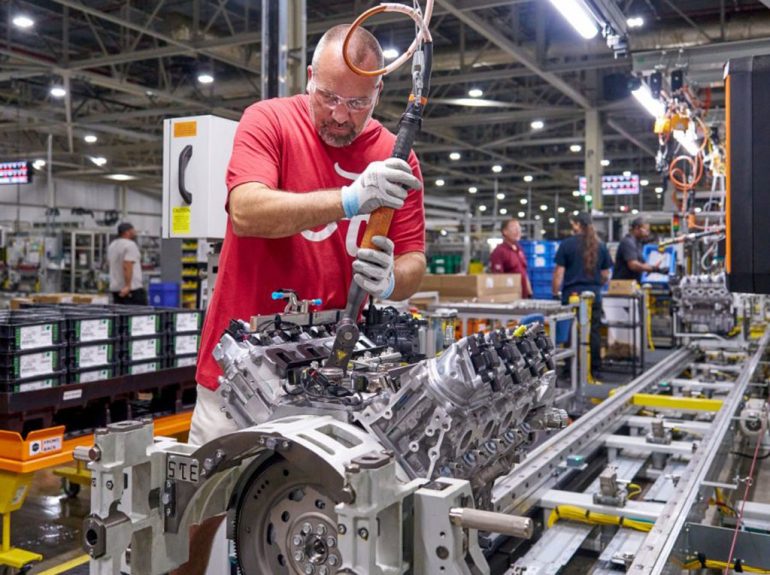
There’s apparently plenty of money to go around at General Motors, but the United Auto Workers union isn’t particularly happy about where some of it is going. Just as GM announced another strong financial quarter, the automaker revealed plans for a staggering $20 billion stock repurchase program, drawing immediate criticism from UAW President Shawn Fain. The union argues that GM is putting Wall Street investors ahead of the employees who build its vehicles, reigniting a familiar debate over corporate profits, worker compensation, and investment in American manufacturing. According to reporting from GM Authority and Reuters, the announcement has created another point of contention between GM and organized labor, potentially setting the stage for difficult negotiations when the two sides return to the bargaining table in 2028.
The latest controversy follows GM’s October 20, 2026, announcement of a new multiyear $20 billion share repurchase authorization, which comes after the completion of a separate $6 billion buyback program announced earlier this year. GM also declared a quarterly dividend of $0.18 per share, reinforcing its commitment to returning capital to shareholders. The company certainly has some impressive financial results to support its decision, reporting $50 billion in third-quarter revenue and approximately $3.3 billion in net income attributable to shareholders. Adjusted earnings before interest and taxes reached $4.1 billion, up nearly 22% compared with the same period last year. From GM’s perspective, buying back shares is a way to reward investors and demonstrate confidence in the company’s financial position. The authorization has no expiration date, and GM can suspend or discontinue repurchases at its discretion, meaning the entire $20 billion won’t necessarily be spent immediately.
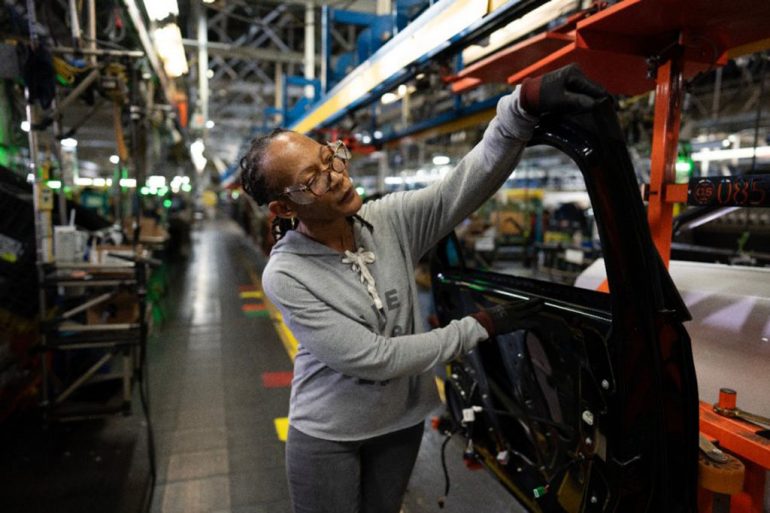
UAW President Shawn Fain sees things quite differently. In a strongly worded statement released October 20, Fain accused GM of prioritizing wealthy shareholders while many employees continue to face concerns about retirement security, healthcare benefits, and long-term job stability. He pointed to the union’s claim that approximately 80% of GM autoworkers lack traditional pensions and retiree healthcare benefits, arguing that billions allocated toward stock repurchases could instead support workers and strengthen domestic manufacturing. Fain also criticized the compensation and stock holdings of GM CEO Mary Barra, along with the potential financial benefits for major institutional investors such as BlackRock and State Street. Perhaps most notably, he connected the latest buyback to the contentious 2023 UAW contract negotiations, when GM and other Detroit automakers resisted demands for substantial wage increases and improved benefits. Those negotiations ultimately resulted in a six-week strike that GM estimated cost the company approximately $1.1 billion.
Of course, there’s another side to the argument, and GM maintains that returning money to shareholders doesn’t mean it has stopped investing in its workforce or manufacturing operations. In response to the criticism, the automaker emphasized that it has reinvested more than $100 billion in its business since 2020, according to Reuters. The company continues to spend heavily on vehicle development, manufacturing improvements, and new technology, even as it adjusts its electric vehicle strategy to reflect changing market conditions. Share repurchases can also benefit ordinary investors indirectly through retirement accounts, pension funds, and other investments that hold GM stock. Still, the optics of announcing a $20 billion buyback while workers express concerns about benefits and manufacturing jobs are difficult to ignore. GM must balance the expectations of shareholders with its responsibilities to employees, particularly as the American automotive industry navigates shifting consumer demand, trade policies, and growing international competition.
We think this latest dispute highlights a broader challenge facing Detroit’s automakers as they attempt to satisfy investors while maintaining a strong and competitive American manufacturing workforce. GM deserves recognition for delivering profitable vehicles and generating the financial resources needed to invest in its future, but the people working on assembly lines and throughout its manufacturing operations are undeniably part of that success. At the same time, profitable companies need the flexibility to manage their finances and reward the investors who help provide capital. Finding the right balance is where things become complicated. With the next round of UAW contract negotiations scheduled for 2028, Fain has already made it clear that GM’s latest buyback won’t be forgotten when discussions over wages, benefits, and job security resume. For now, the company may be celebrating another strong financial quarter, but its relationship with organized labor looks increasingly strained. How GM handles those tensions could prove just as important to its long-term future as the billions it’s returning to shareholders.

Mike Floyd is a finance executive by trade and a car enthusiast at heart. As a CFO with a keen eye for detail and strategy, Mike brings his analytical mindset to the automotive world, uncovering fresh insights and unique perspectives that go beyond the surface. His passion for cars—especially his favorite, the Porsche 911, fuels his contributions to Automotive Addicts, where he blends a love for performance and design with his professional precision. Whether he’s breaking down industry trends or spotlighting emerging innovations, Mike helps keep the site both sharp and forward-thinking.