
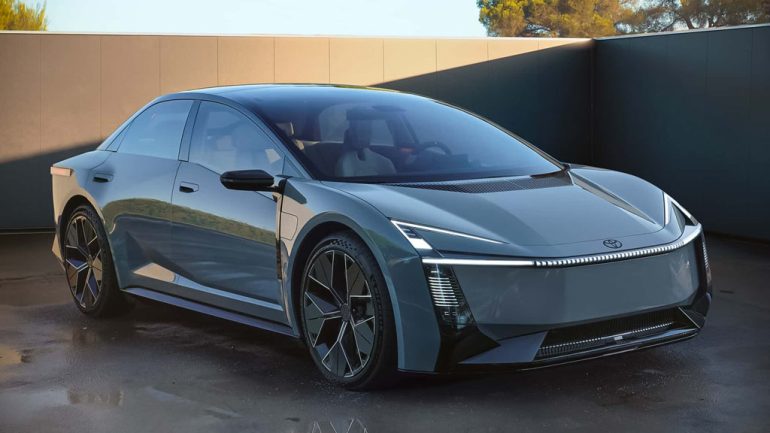
Just when you thought Toyota couldn’t squeeze much more fuel efficiency out of its hybrid technology, the automaker is preparing to raise the bar yet again. The next-generation Toyota Corolla, expected to arrive for the 2028 model year, could benefit from an entirely new hybrid powertrain that promises more than 15% better fuel economy. That’s a pretty big deal considering how efficient the current Corolla Hybrid already is, with some versions returning up to 50 mpg combined. Toyota recently revealed additional details about its upcoming hybrid system, which centers around a newly developed 1.5-liter four-cylinder engine designed specifically for electrification. If everything comes together as planned, the next Corolla could become one of the most fuel-efficient compact cars on the market without requiring owners to plug it in.
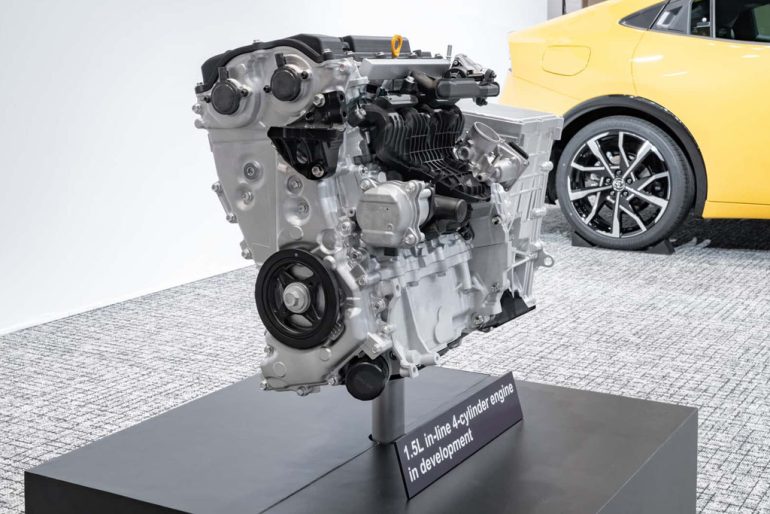
The biggest change is the new 1.5-liter four-cylinder engine, which Toyota plans to offer in both naturally aspirated and turbocharged configurations. Unlike traditional gasoline engines adapted for hybrid use, this new engine family was engineered from the beginning to work alongside electric motors. The naturally aspirated version is designed to replace the current 1.8-liter four-cylinder hybrid engine, along with certain smaller three-cylinder engines used in overseas models. For reference, today’s Corolla Hybrid produces 138 horsepower from its 1.8-liter engine and electric motor combination. Toyota hasn’t officially confirmed final horsepower figures for the new system, although earlier development estimates suggested output around 134 horsepower. The real emphasis here is efficiency rather than outright performance, with engineers targeting reduced internal friction, improved thermal management, and more effective power delivery.
Interestingly, Toyota isn’t just shrinking the gasoline engine. The company has also developed smaller and lighter electric motors, power control units, and inverters to create a more compact hybrid system overall. According to Toyota’s latest engineering details, these improvements should help reduce electrical losses while allowing the entire powertrain to occupy considerably less space under the hood. That might not sound particularly exciting at first, but it gives designers more freedom to create lower, sleeker vehicles with improved aerodynamics. Less aerodynamic drag means better efficiency, especially at highway speeds, where even small improvements can make a noticeable difference in fuel consumption.
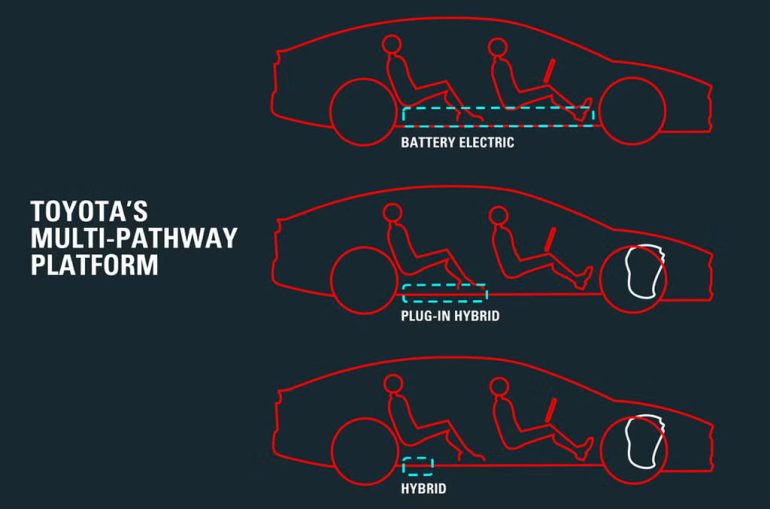
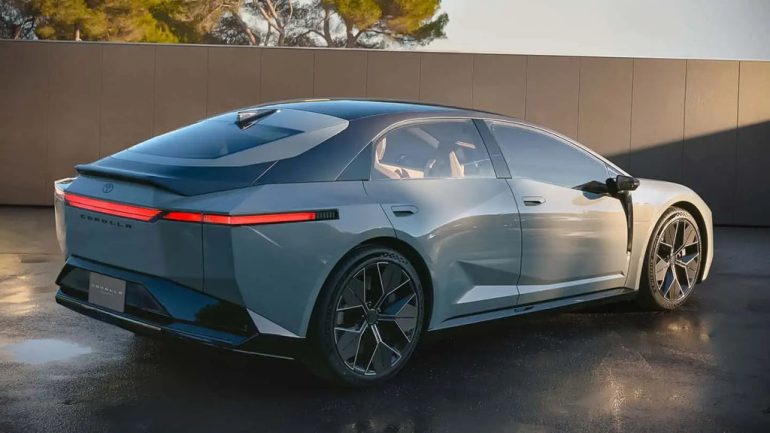
That’s where the upcoming Corolla becomes especially interesting. Toyota previewed a dramatically styled Corolla Concept at the 2025 Japan Mobility Show, featuring a sleek silhouette, low hood, and futuristic design that looked considerably more adventurous than today’s conservative compact sedan. The smaller hybrid components could help make such a design possible without sacrificing interior space or everyday practicality. More importantly, Toyota is developing a shared vehicle architecture capable of accommodating traditional hybrids, plug-in hybrids, and fully electric powertrains. That means the next Corolla could eventually offer buyers several different approaches to efficiency while maintaining essentially the same overall design.
Toyota says the new hybrid technology is targeting fuel economy improvements exceeding 15%, thanks to a combination of more efficient combustion, reduced mechanical losses, improved electrical components, and better aerodynamics. To put that into perspective, a hypothetical 15% improvement over a Corolla Hybrid rated at 50 mpg combined could translate to roughly 57.5 mpg. That’s only an illustration rather than an official Toyota estimate, but it demonstrates how significant the potential gains could be. The shared platform should also help Toyota reduce manufacturing costs by allowing factories to adjust production among hybrid, plug-in hybrid, and electric models depending on customer demand. It’s a flexible strategy that makes considerable sense as consumers continue weighing the benefits of electrified vehicles against traditional gasoline-powered options.
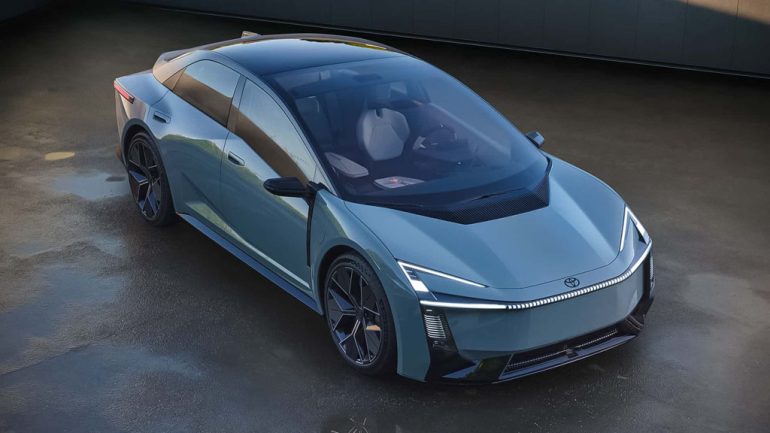
For now, Toyota hasn’t officially confirmed which vehicle will debut the new 1.5-liter hybrid system, although the next-generation Corolla remains one of the most likely candidates. As highlighted in reporting from Car and Driver, the 13th-generation Corolla is expected for the 2028 model year, potentially bringing some of the most substantial changes to the nameplate in years. We think Toyota is taking a smart approach by continuing to improve hybrid technology rather than putting all its resources into fully electric vehicles. With gasoline prices remaining a concern for many drivers, the possibility of a practical, affordable Corolla capable of approaching 60 mpg without ever needing a charging station sounds pretty appealing. If Toyota can deliver those efficiency gains while giving the Corolla a more exciting design, its next-generation compact car could be a much bigger leap forward than many people expect.

Lloyd Tobias is a seasoned automotive journalist and passionate enthusiast with over 15 years of experience immersed in the world of cars. Whether it’s exploring the latest advancements in automotive technology or keeping a close pulse on breaking industry news, Lloyd brings a sharp perspective and a deep appreciation for all things automotive. His writing blends technical insight with real-world enthusiasm, making his contributions both informative and engaging for readers who share his love for the drive. When he’s not behind the keyboard or under the hood, Lloyd enjoys test driving the newest models and staying ahead of the curve in an ever-evolving automotive landscape.