
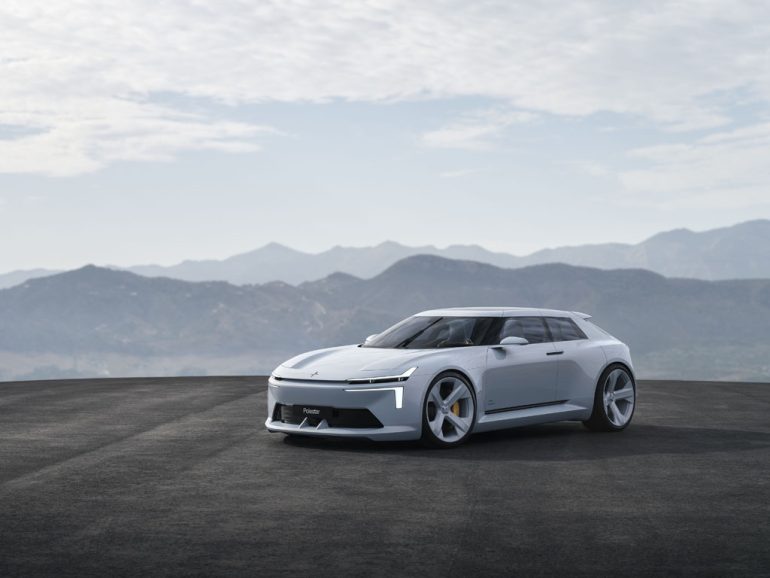
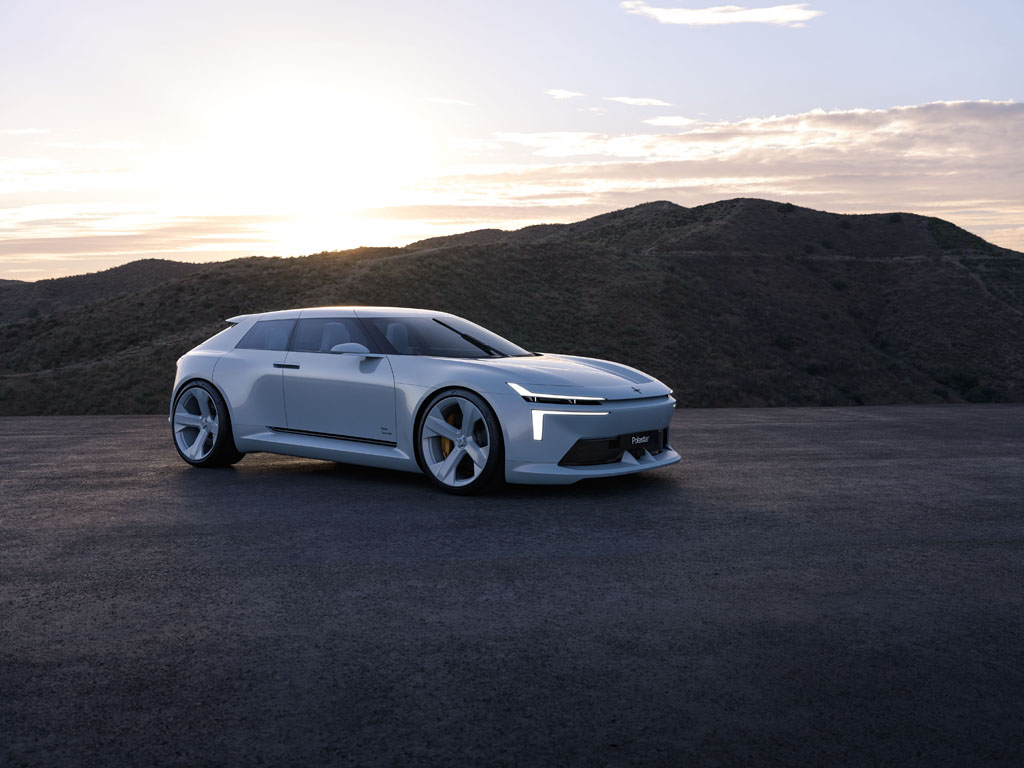
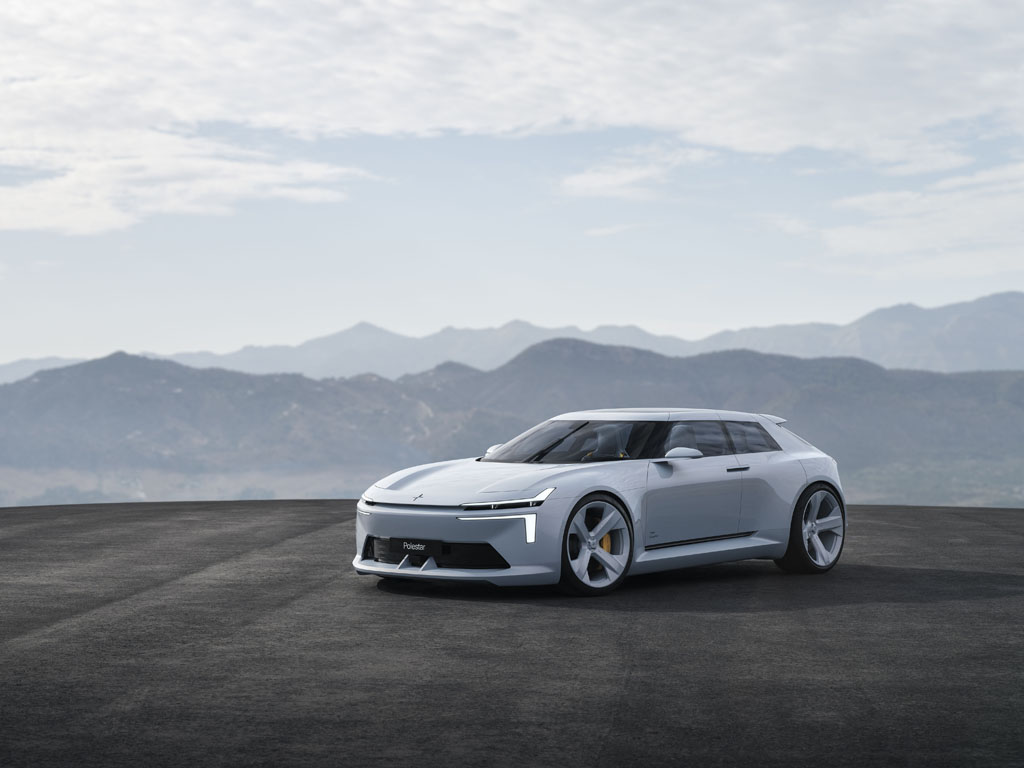
Polestar has never really struggled when it comes to designing attractive electric vehicles, and its latest concept might be one of the best-looking creations we’ve seen from the Swedish performance brand. The newly revealed Polestar Formula 2030 is a futuristic, low-slung electric sports hatchback that manages to combine aggressive styling with a surprisingly practical four-seat layout. Unfortunately, there’s a double dose of disappointment attached to this particular vehicle. First, Polestar has no plans to put the Formula 2030 itself into production. Second, American buyers are effectively being shut out of the brand’s future lineup because of U.S. restrictions on connected vehicles linked to China. That means even the upcoming production models inspired by this stunning concept are unlikely to reach our shores under the current regulations. It’s a frustrating situation, especially when Polestar is showing us some genuinely interesting ideas for the next generation of performance-oriented EVs.
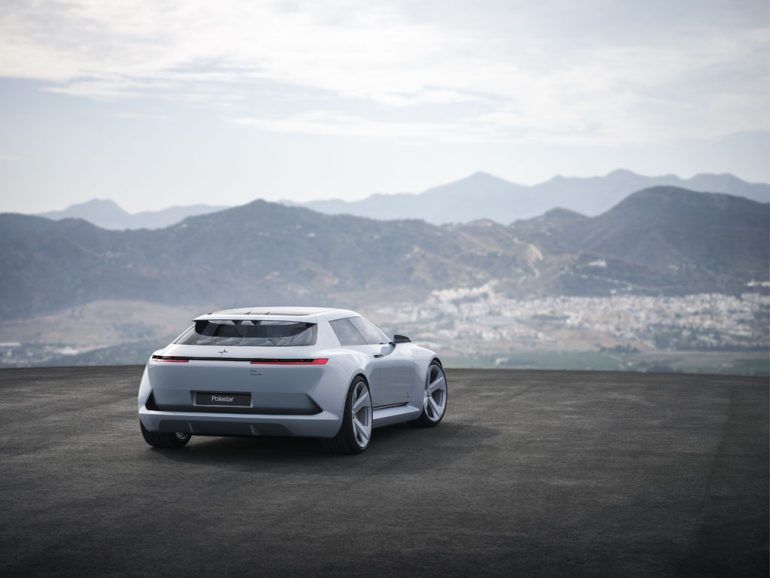
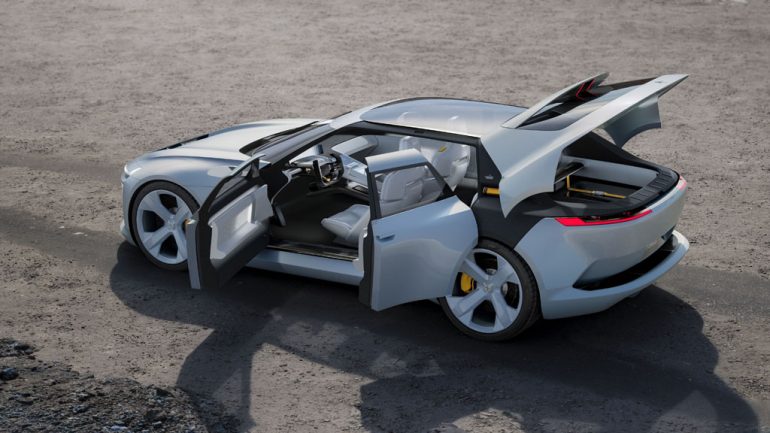
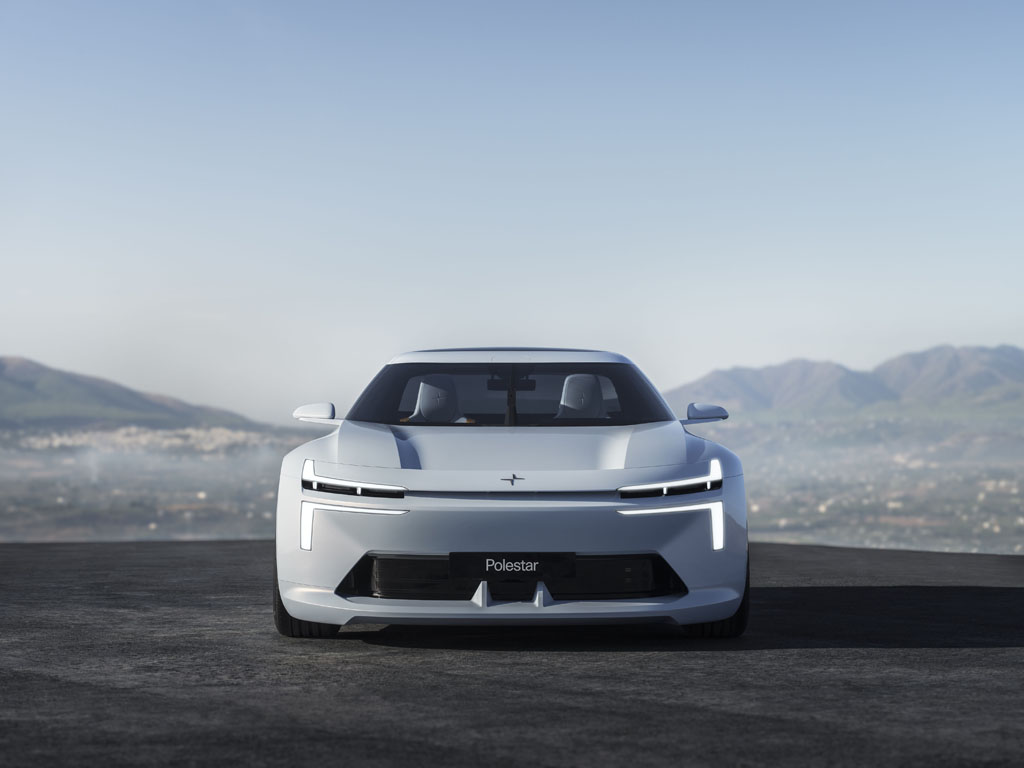
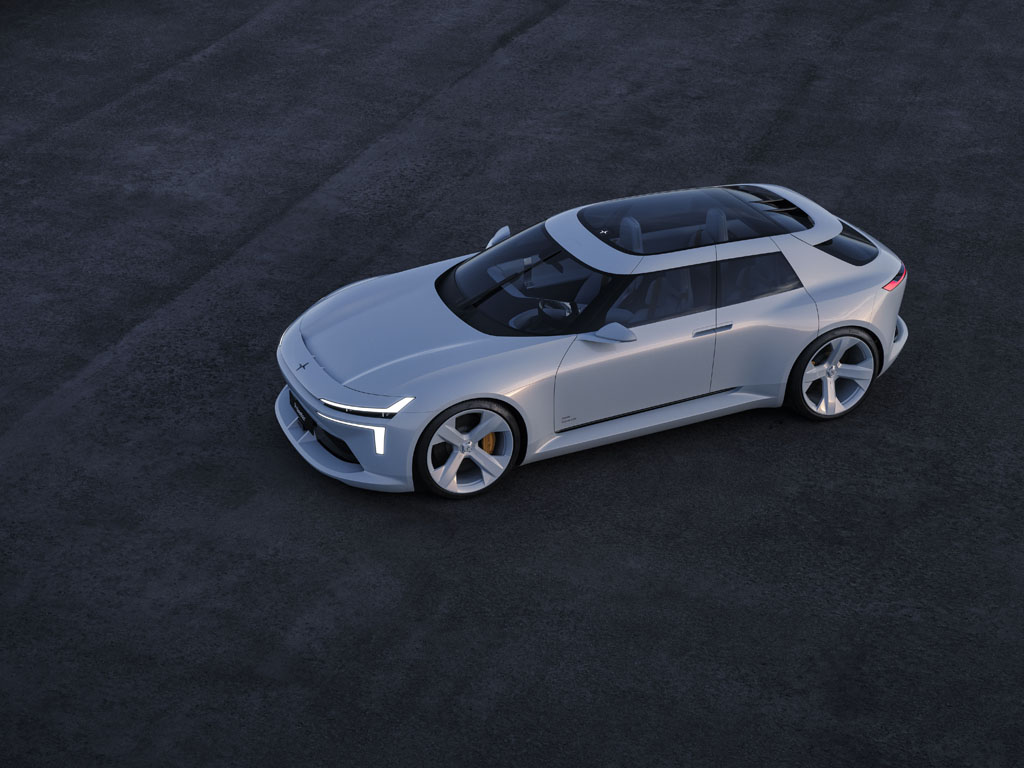
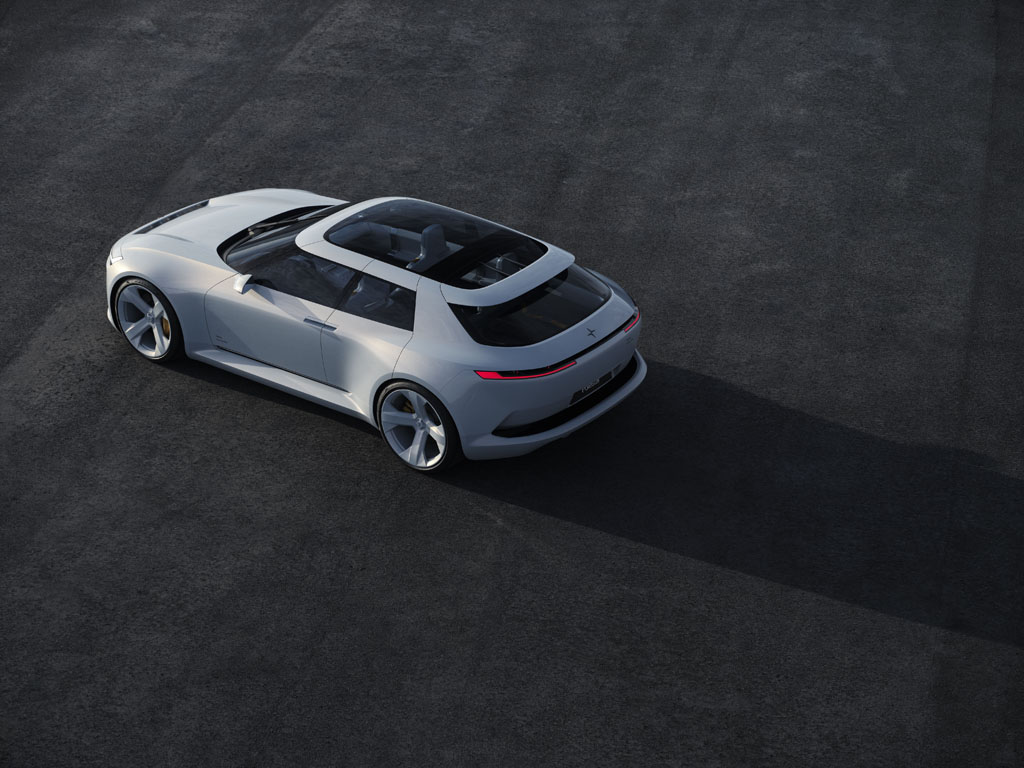
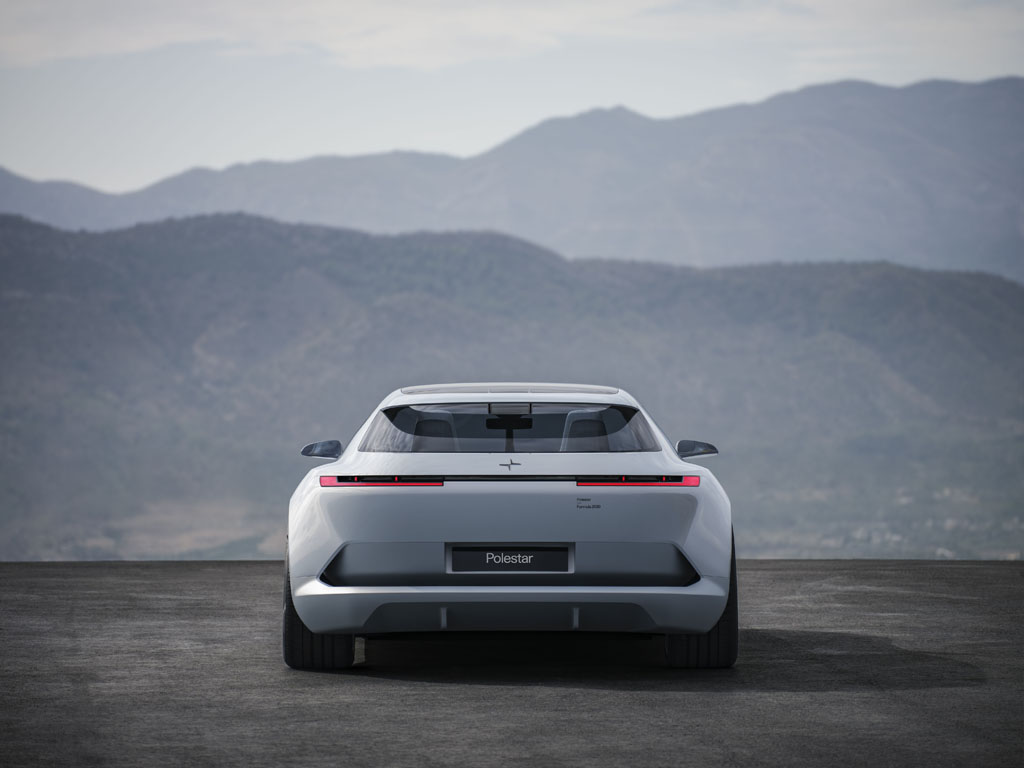
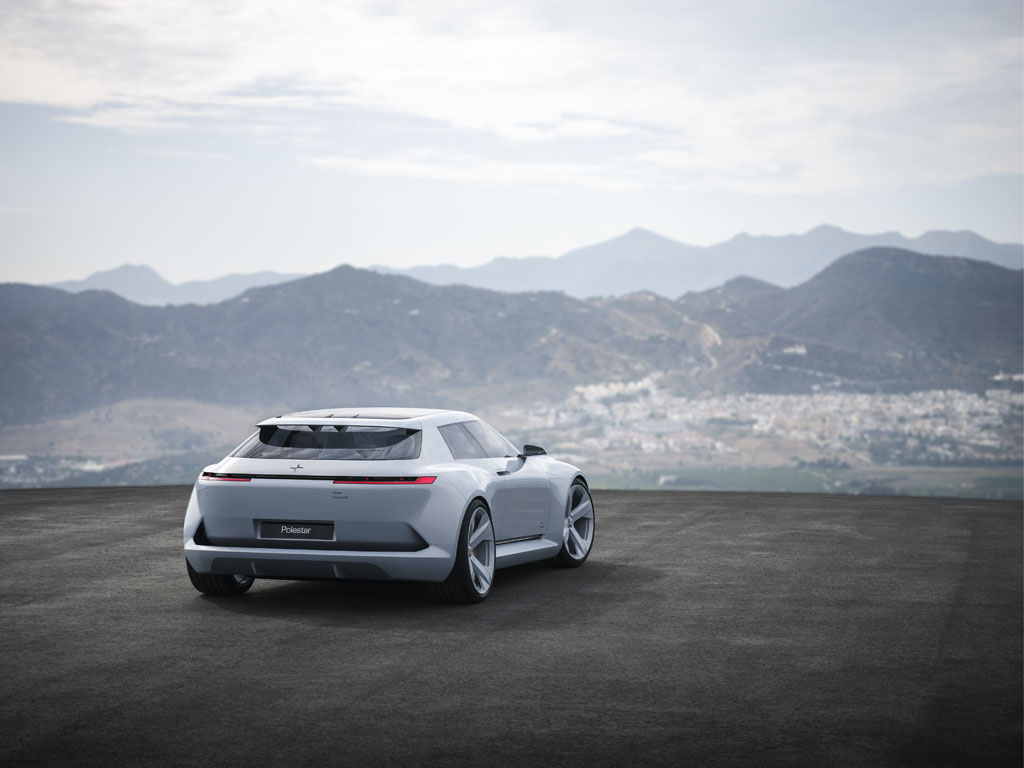
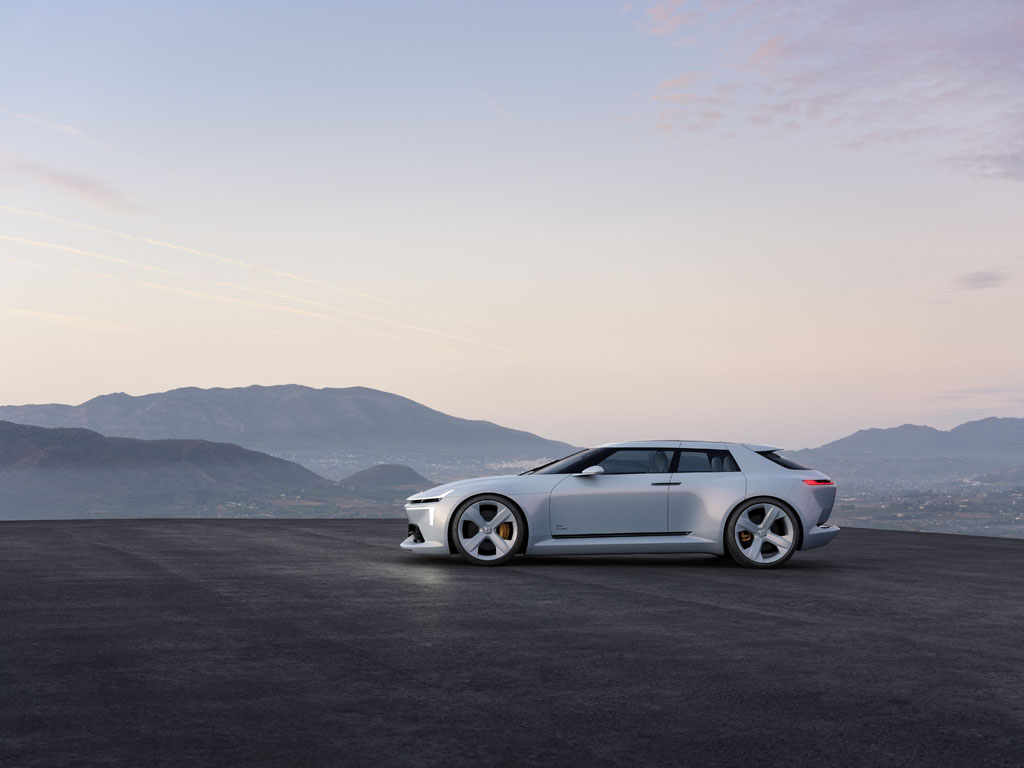
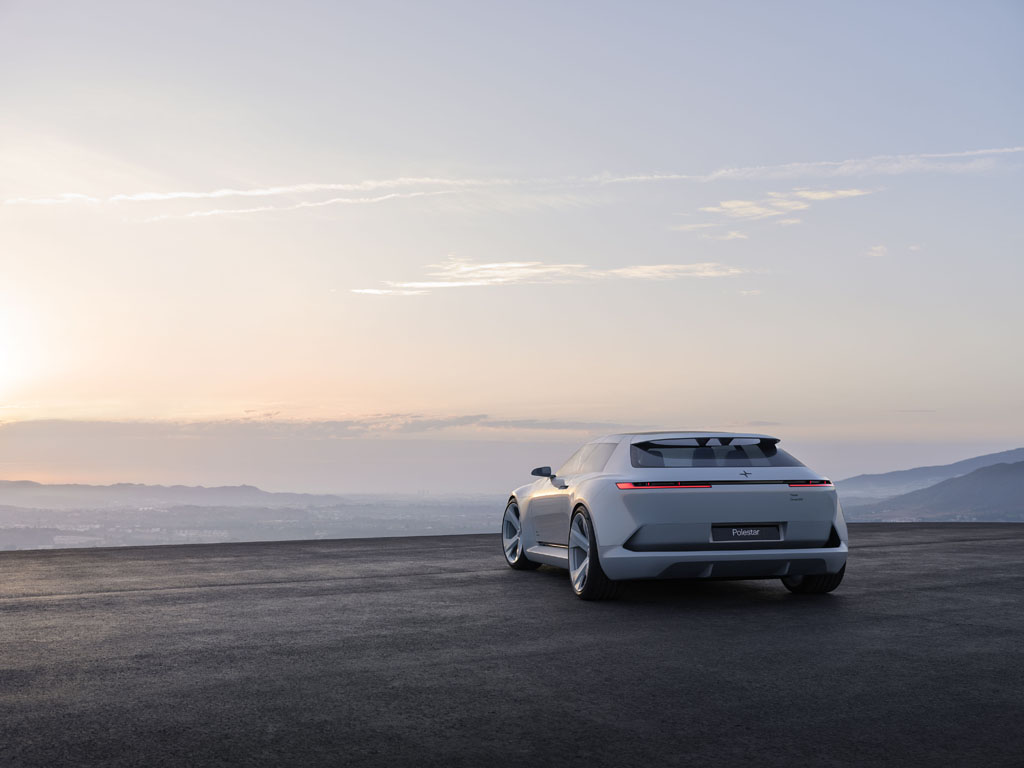
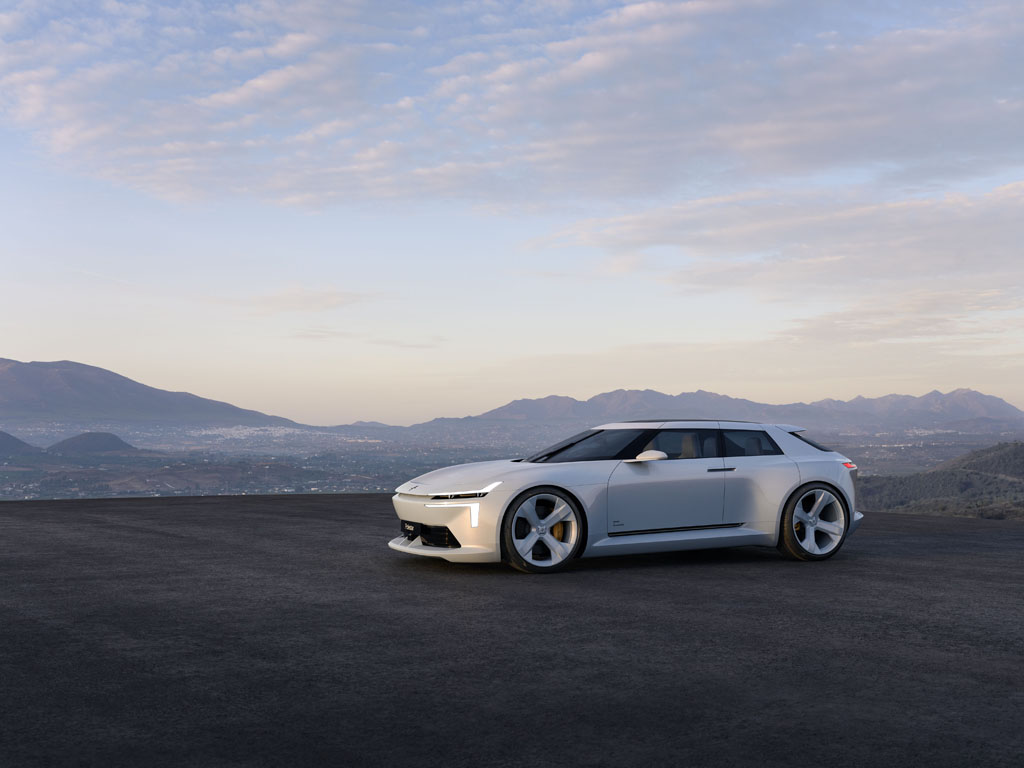
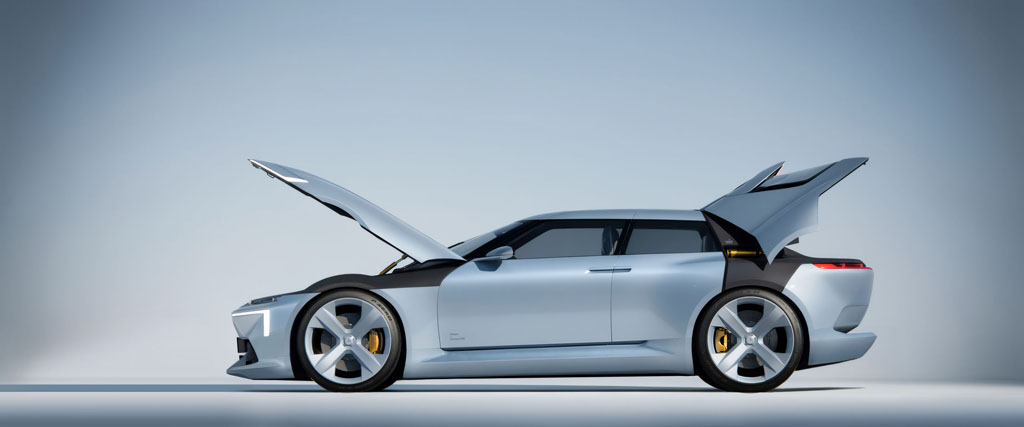
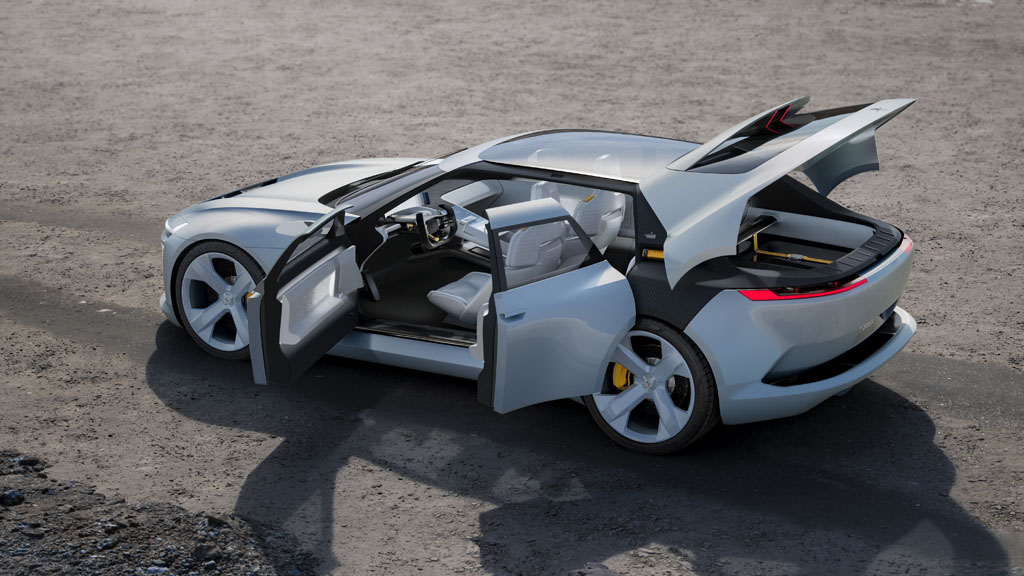
The Formula 2030 certainly knows how to make an entrance. Measuring approximately 184.3 inches long, 79.6 inches wide, and just 53.1 inches tall, it has the proportions of a serious performance machine rather than another tall electric crossover. Its dramatically widened bodywork, enormous 22-inch center-lock wheels, and low roofline create an almost race-car-like stance, while its compact greenhouse and wraparound glass give it a futuristic appearance without becoming overly complicated. There are four doors, with the rear doors opening backward to provide easier access to the individual rear seats. A nearly all-glass roof stretches toward an integrated rear spoiler, and the distinctive rear lighting arrangement avoids the full-width light bar that has become so common across modern vehicles. Personally, we find that refreshing. The Formula 2030 looks futuristic while still managing to have an identity of its own, something that isn’t always easy to accomplish in today’s increasingly crowded EV market.
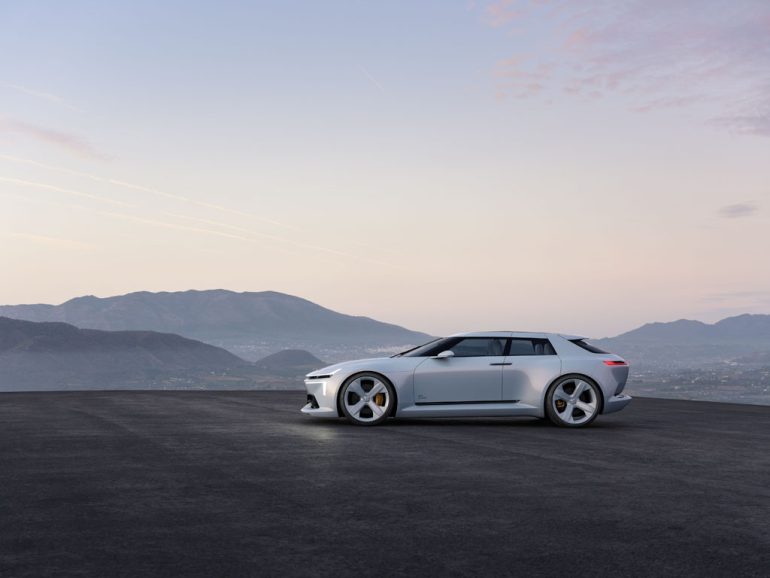
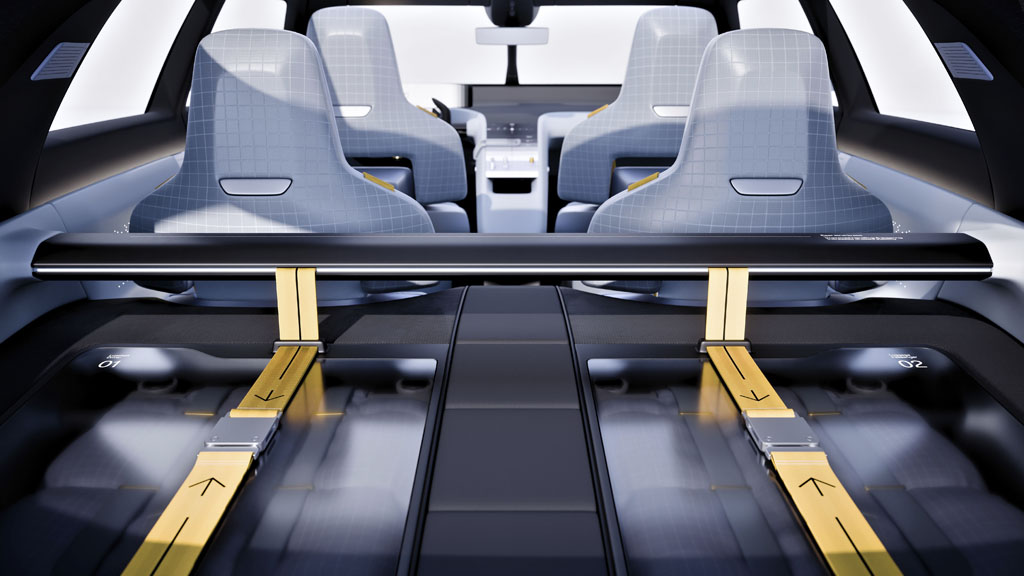
Look a little closer, and the concept reveals some genuinely clever engineering and design details. There’s a single windshield wiper positioned vertically when not in use, much like what you might find on a dedicated race car, along with a LiDAR sensor that emerges only when the vehicle’s autonomous driving system is activated. Polestar also incorporates race-inspired Öhlins suspension components, while the front storage compartment includes dedicated space for racing helmets and a fire extinguisher. A gold-finished structural brace adds another visual reminder that performance remains an important part of the brand’s identity. Polestar hasn’t disclosed horsepower, battery capacity, acceleration figures, or driving range, so there’s no telling how fast the Formula 2030 would actually be. Still, with styling this aggressive and engineering details clearly inspired by motorsports, we’d certainly expect a production version to offer something more entertaining than simply getting from one charging station to another.
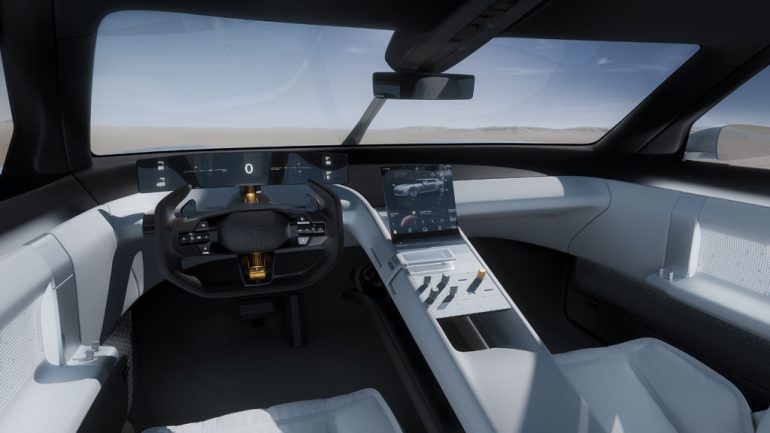
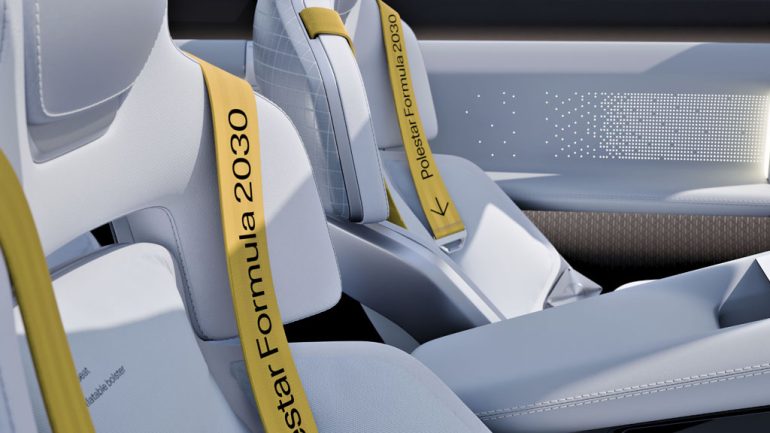
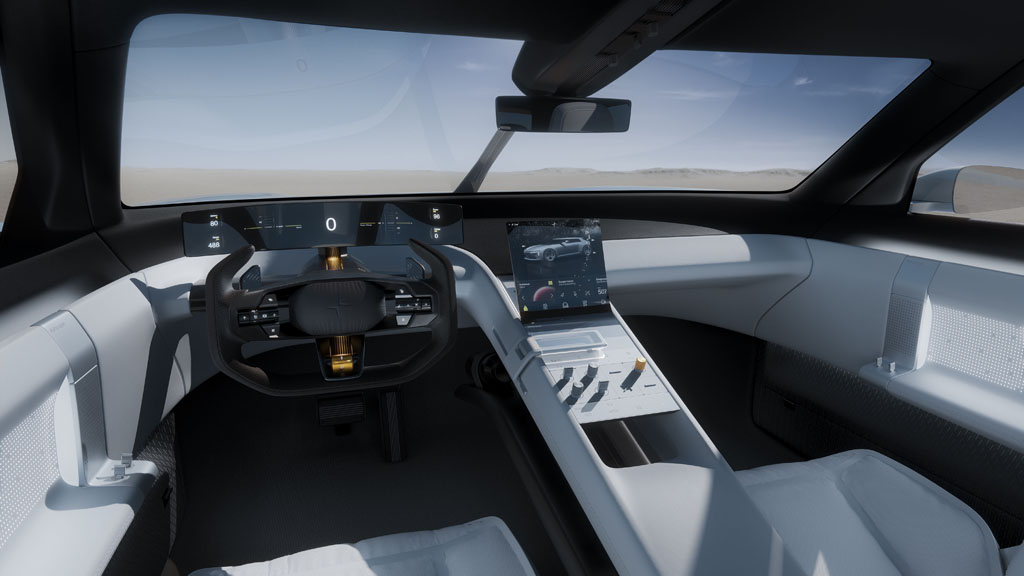
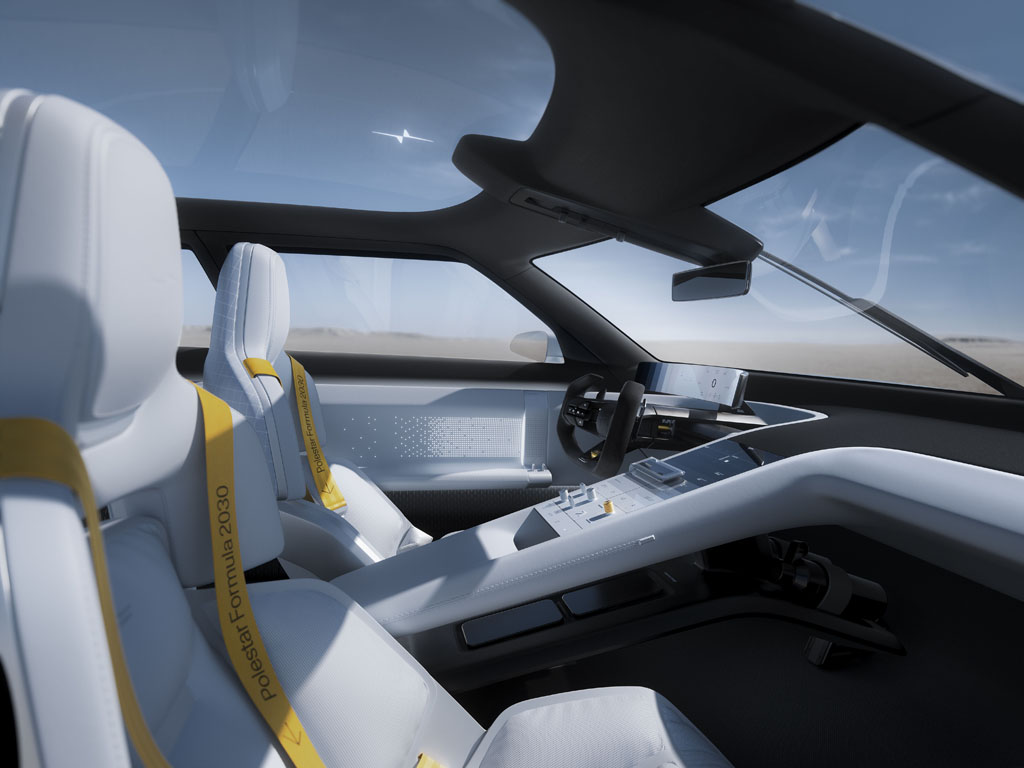
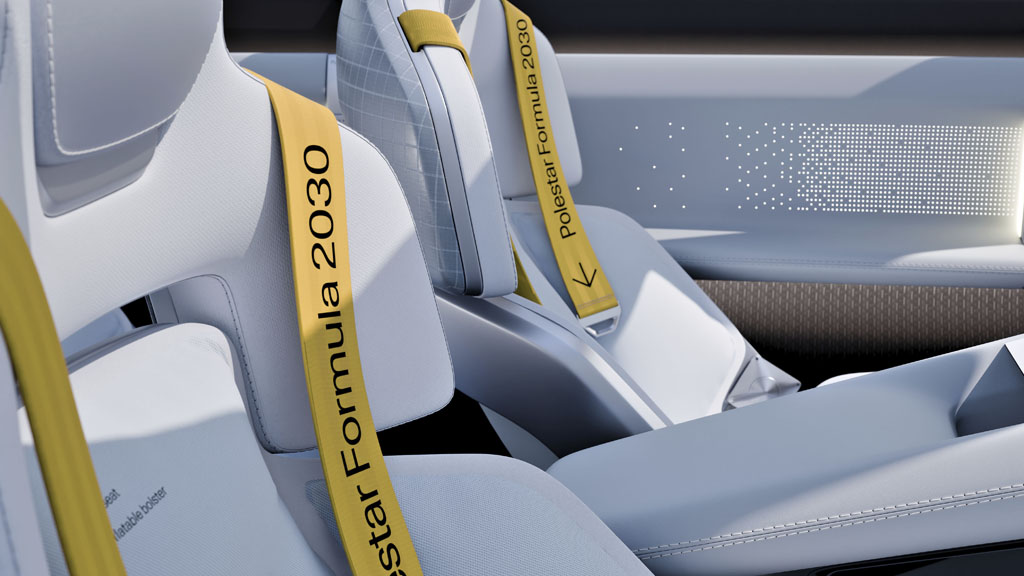
The interior might actually be where Polestar makes its strongest statement. Instead of following the industry’s obsession with eliminating every physical button, the Formula 2030 features eight customizable mechanical controls below its 12.2-inch central touchscreen. Drivers can configure the controls with different switches and rotary knobs, creating a more personalized and tactile experience. That’s something we genuinely appreciate, especially as touchscreen-heavy interiors continue making simple adjustments unnecessarily complicated. A massive 20-inch curved driver information display is mounted directly to the steering column, while four individual seats feature inflatable cushions and bolsters that adjust to their occupants. The cockpit can even physically change depending on the selected driving mode. In Performance mode, the steering wheel and display move closer to the driver while the central screen lowers. Select Autonomous mode, and the driver gains additional space as the seat and steering wheel move apart. It’s an ambitious setup, although we’d be curious to see how much of that functionality could realistically survive the transition into production.
Thankfully, the Formula 2030 isn’t entirely disconnected from Polestar’s future product plans. While the concept itself won’t be built, several of its design features and interior ideas are expected to influence the next-generation Polestar 2 and upcoming Polestar 7. The redesigned Polestar 2 is scheduled to arrive in 2027, followed by the Polestar 7 compact electric SUV in 2028. Both vehicles will help establish the company’s next design direction under design chief Philipp Römers, who has emphasized maintaining Polestar’s recognizable Scandinavian identity while introducing a more expressive and performance-focused appearance. We’re particularly interested in seeing whether the configurable physical controls make their way into either production vehicle. If they do, Polestar could be among the manufacturers helping reverse the industry’s questionable obsession with replacing every useful button with another touchscreen.
Unfortunately, here’s where things become especially disappointing for American enthusiasts. Polestar is effectively banned from selling new 2027 model-year and newer vehicles in the United States under the federal Connected Vehicle Rule, which restricts vehicles and connected technologies associated with China and Russia. Although Polestar identifies as a Swedish brand, its ties to Chinese automotive giant Geely have created regulatory complications that the company has been unable to resolve. In June 2026, Polestar confirmed that the U.S. Department of Commerce had denied its request for authorization to continue selling new vehicles under the rule. As a result, the company plans to sell through its remaining inventory of earlier model-year vehicles before ending new-vehicle sales in America, while continuing to provide service and support to existing owners. Unless something changes with the regulations or Polestar secures a new authorization, Americans won’t have access to the next-generation Polestar 2 or Polestar 7, let alone anything resembling this Formula 2030 concept.
From our perspective, it’s unfortunate that American buyers will be missing out on what appears to be a promising new chapter for Polestar. We’ve always appreciated the brand’s distinctive styling and willingness to approach electric performance vehicles differently from the competition. The Formula 2030 reinforces that reputation, demonstrating that an EV doesn’t have to look like a generic crossover or rely entirely on oversized touchscreens to feel futuristic. We also understand that the U.S. connected-vehicle restrictions are rooted in national security concerns, but the practical outcome is that consumers will have fewer choices in an already competitive electric vehicle market. Polestar appears prepared to concentrate more heavily on Europe and other international markets, where most of its sales already originate. That’s understandable from a business standpoint, but we’d still love to see the brand find a way back into the American market someday. For now, we’ll have to admire the Formula 2030 from afar and hope that some of its more interesting ideas eventually influence vehicles we can actually buy here in the United States.

Mike Floyd is a finance executive by trade and a car enthusiast at heart. As a CFO with a keen eye for detail and strategy, Mike brings his analytical mindset to the automotive world, uncovering fresh insights and unique perspectives that go beyond the surface. His passion for cars—especially his favorite, the Porsche 911, fuels his contributions to Automotive Addicts, where he blends a love for performance and design with his professional precision. Whether he’s breaking down industry trends or spotlighting emerging innovations, Mike helps keep the site both sharp and forward-thinking.