
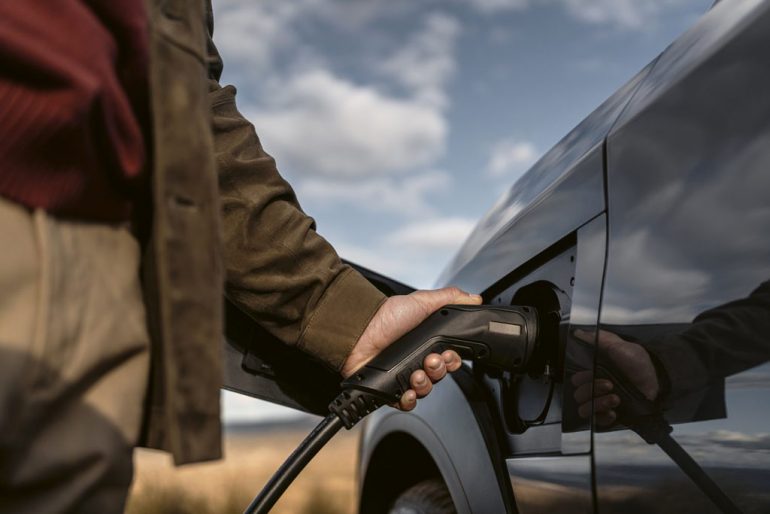
According to Gary Silberg, a global automotive sector leader at KPMG, the affordability of electric vehicles (EVs) remains a significant barrier for many potential buyers. While Silberg expects the demand for EVs to continue growing, he emphasizes that affordability is an important consideration that tempers industry optimism. He acknowledges that while many people are excited about the opportunity of EVs, the reality is that not everyone can afford them.
A recent KPMG survey reveals that households with incomes of at least $100,000 are more likely to already own an alternative fuel vehicle and are also more inclined to consider owning one if they don’t already. Interestingly, lower-income households, who express greater concern about rising gasoline prices, are the least likely to consider purchasing a hybrid or EV.
Silberg suggests that tax credits for EV buyers, such as those provided by the Inflation Reduction Act, could potentially change the landscape in the coming years. However, he also notes that it will take time for manufacturers to adjust their supply chains in order to qualify for these credits and for their impact to be fully realized.
In the context of the evolving hybrid and electric future, Silberg emphasizes the importance for dealers to be able to effectively address their customers’ high-tech vehicle problems. He believes that the ability to solve customers’ technical queries is crucial for dealers moving forward, stating that it is the “secret sauce” for their success. Moreover, range becomes an issue for some consumers in replacing their gas-burning vehicle for an EV that gets much less of a range.
While the demand for EVs is expected to grow, affordability remains a significant challenge. Higher-income households are more likely to own or consider alternative fuel vehicles, whereas lower-income households, despite being concerned about rising gasoline prices, are less likely to consider hybrids or EVs. Tax credits for EV buyers could potentially have a positive impact in the future, but it will require adjustments from manufacturers. Furthermore, dealers must prioritize their ability to solve customers’ high-tech vehicle issues to thrive in the hybrid and electric future.
Source: AutoNews (subscription required)

Mike Floyd is a finance executive by trade and a car enthusiast at heart. As a CFO with a keen eye for detail and strategy, Mike brings his analytical mindset to the automotive world, uncovering fresh insights and unique perspectives that go beyond the surface. His passion for cars—especially his favorite, the Porsche 911, fuels his contributions to Automotive Addicts, where he blends a love for performance and design with his professional precision. Whether he’s breaking down industry trends or spotlighting emerging innovations, Mike helps keep the site both sharp and forward-thinking.