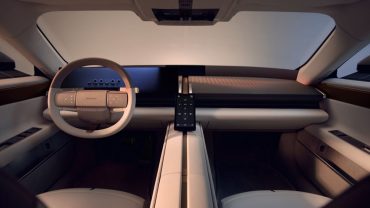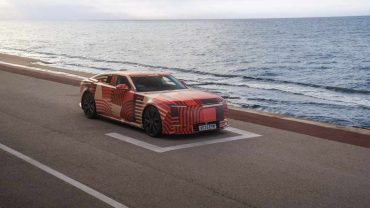
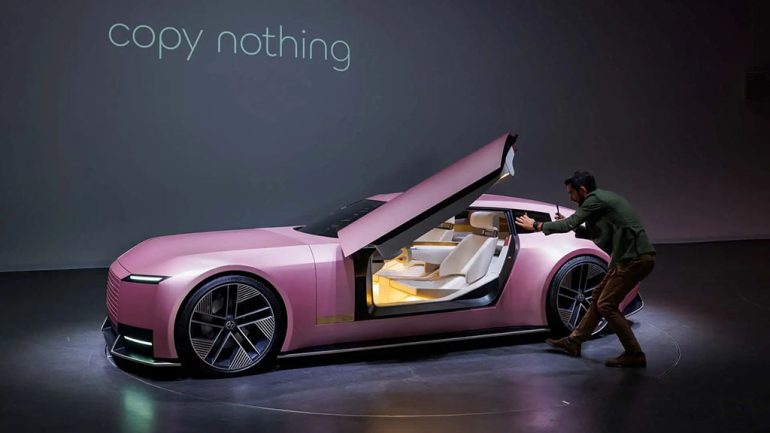
Jaguar is trying to rewrite its own story, and it is doing it in the most dramatic way possible. The plan is to move beyond the familiar “British alternative to the Germans” lane and aim much higher, with a rebrand that positions Jaguar closer to Bentley than BMW. That also means a clean break from combustion engines, with the next chapter set to be fully electric. The first production model for this new era was expected earlier, but the debut has been shifted to later this year, keeping everyone from fans to retailers waiting for real details.
That waiting is exactly what has some dealers on edge. In comments shared anonymously to a German business outlet, one Jaguar retail representative put it bluntly, saying there is currently no clear business case for the brand. Dealers may have expressed intent to stick with Jaguar, but several appear to be holding their final commitment until they see the strategy, the product, and the support structure that comes with it. It is the kind of hesitation you hear when a brand is not just changing models, but changing its entire reason for existing.
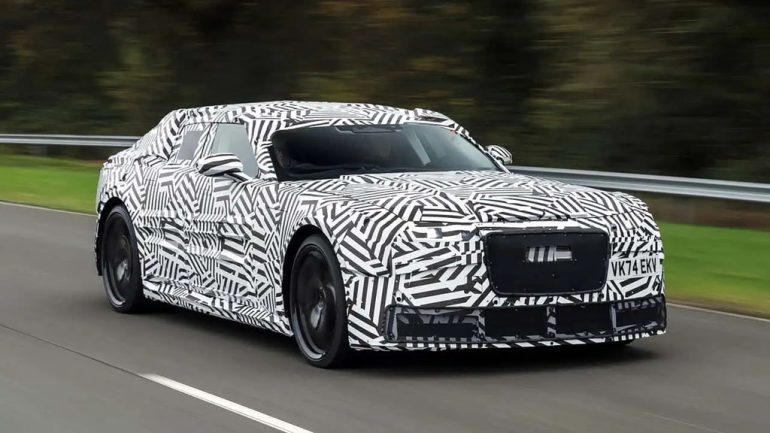
Not everyone is hitting the panic button, though. Dealer leadership in Germany has framed the reset as an opportunity, with the important caveat that the market size and customer profile are still unknown. Another retailer leader praised the upcoming mix of brand, design, and technology, but still circled back to the same big question: who exactly is the new Jaguar buyer? That is a fair concern when a brand is chasing a higher tier, because aspirational positioning only works if the product and the ownership experience feel unquestionably premium.
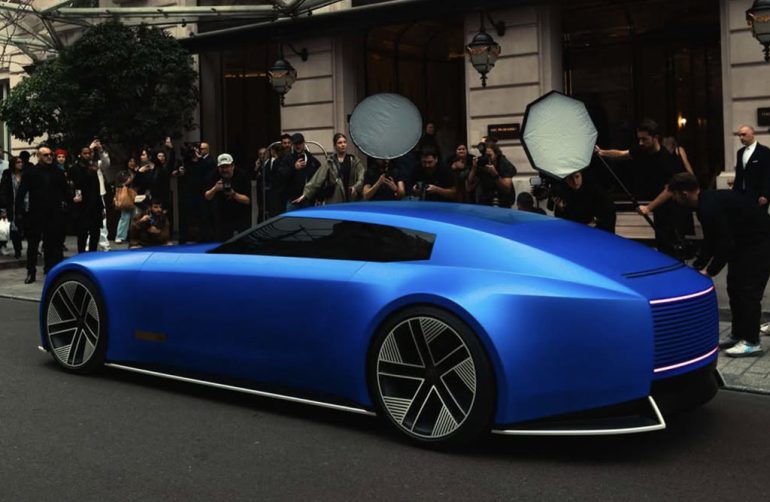
One of the more intriguing talking points floating around is the idea that Jaguar may lean heavily into leasing for its new electric grand tourer rather than traditional sales. The reasoning, as described, is about controlling the used-car pipeline and protecting residual values, something that matters a lot if Jaguar truly wants to be treated like a super-luxury nameplate. Dealers also warned that overproduction would be a mistake, since too much volume can water down the exclusivity that brands spend years trying to build.
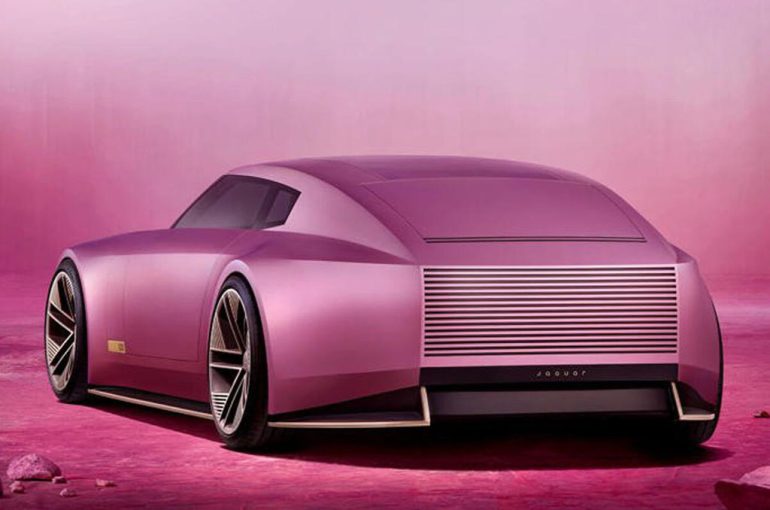
If that strategy holds, Jaguar’s volume expectations will look nothing like the past. Dealers cited in the report claim the new plan calls for around 10,000 units annually, a massive contrast to Jaguar’s 2018 high of 181,500 sales. Training for retailers is said to be starting this month, with order books potentially opening in March or April, and pricing reportedly beginning at at least $130,000. For now, the clearest takeaway is that Jaguar is betting on scarcity, EV performance, and a sharper luxury identity, but it still has to convince the people who sell the cars that the gamble adds up.

Lloyd Tobias is a seasoned automotive journalist and passionate enthusiast with over 15 years of experience immersed in the world of cars. Whether it’s exploring the latest advancements in automotive technology or keeping a close pulse on breaking industry news, Lloyd brings a sharp perspective and a deep appreciation for all things automotive. His writing blends technical insight with real-world enthusiasm, making his contributions both informative and engaging for readers who share his love for the drive. When he’s not behind the keyboard or under the hood, Lloyd enjoys test driving the newest models and staying ahead of the curve in an ever-evolving automotive landscape.