BMW knows exactly what enthusiasts are going to miss when an M3 goes fully electric: that layered, mechanical soundtrack that builds with speed and makes every on-ramp feel like an event. Instead of pretending the shift to EV power will be silent and sterile, BMW’s engineers are leaning into the emotional side of performance. In a newly released behind-the-scenes look, the brand shows its team heading into a studio environment to capture the voices of some of its greatest hits, then using those recordings as building blocks for the electric M3’s new driving “soundscape.”
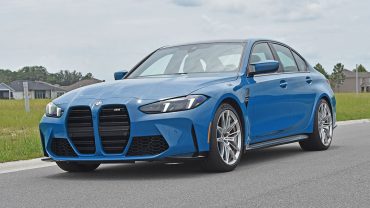
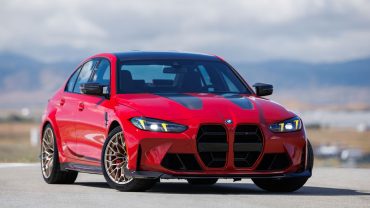
The lineup of donor cars is basically a greatest-hits album for modern BMW M fans. You have the F82 M4 GTS with its punchy turbo inline-six character, the E92 M3 GTS with that crisp naturally aspirated V8 snap, and the E64 M6, famous for its 5.0-liter V10 that still gives people goosebumps years later. BMW’s goal is not to simply pipe in a fake engine note and call it a day. The idea, at least as described, is to use these internal-combustion recordings to fill in the deeper low-frequency stuff that EVs naturally lack, then blend it with the higher-pitched whir and wail that electric motors produce.
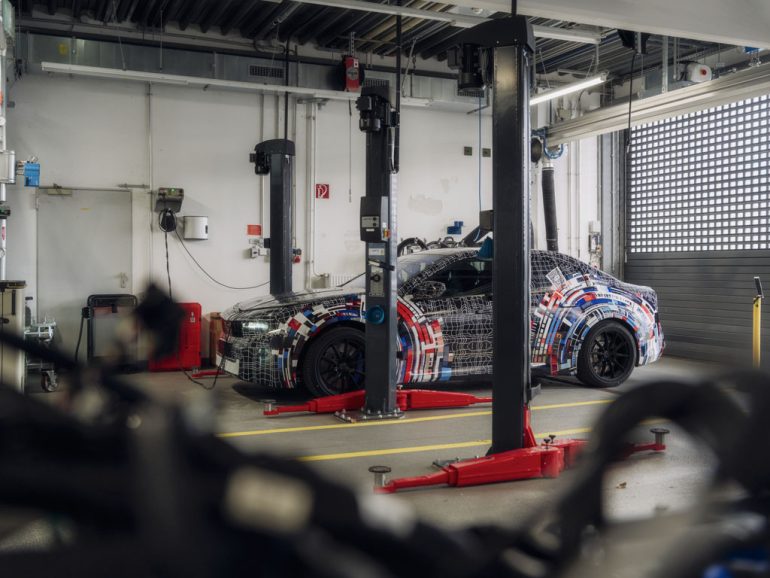
This matters because sound is more than theater in a performance car. It’s feedback. It helps you judge speed, throttle input, and even traction when the road is slick or conditions are less than ideal. BMW has also mentioned simulated gearshifts for the upcoming electric M3, another clue that the company is trying to keep the driver’s brain engaged in familiar ways even when there is no traditional transmission doing the work. Whether you love the idea or roll your eyes, it’s hard not to appreciate that BMW is at least trying to make the EV M experience feel intentional, not just quick in a straight line.
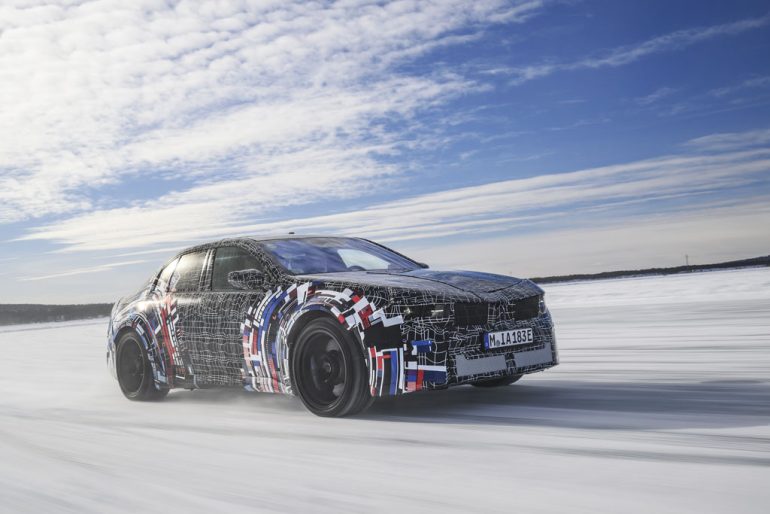
Under the skin, the first electric M3 is shaping up to be serious hardware. It’s expected to ride on BMW’s Neue Klasse foundations, use an 800-volt architecture for faster charging, and rely on a quad-motor setup with one motor at each wheel for precise torque control. That recipe suggests the car’s personality will be defined as much by software and calibration as raw output, and BMW has time to refine it since the electric M3 is still targeted for 2027. Between the multi-source soundtrack, simulated shifts, and a powertrain designed for traction and repeatable performance, this could be the moment BMW proves an electric M car can have its own kind of soul without pretending it’s still burning fuel.

Lloyd Tobias is a seasoned automotive journalist and passionate enthusiast with over 15 years of experience immersed in the world of cars. Whether it’s exploring the latest advancements in automotive technology or keeping a close pulse on breaking industry news, Lloyd brings a sharp perspective and a deep appreciation for all things automotive. His writing blends technical insight with real-world enthusiasm, making his contributions both informative and engaging for readers who share his love for the drive. When he’s not behind the keyboard or under the hood, Lloyd enjoys test driving the newest models and staying ahead of the curve in an ever-evolving automotive landscape.