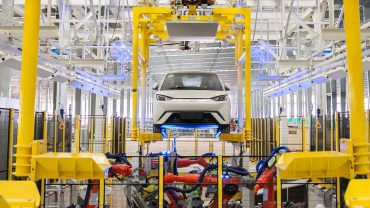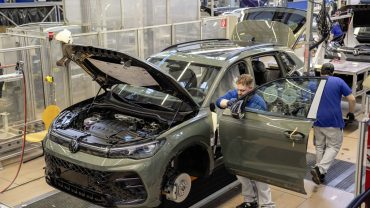
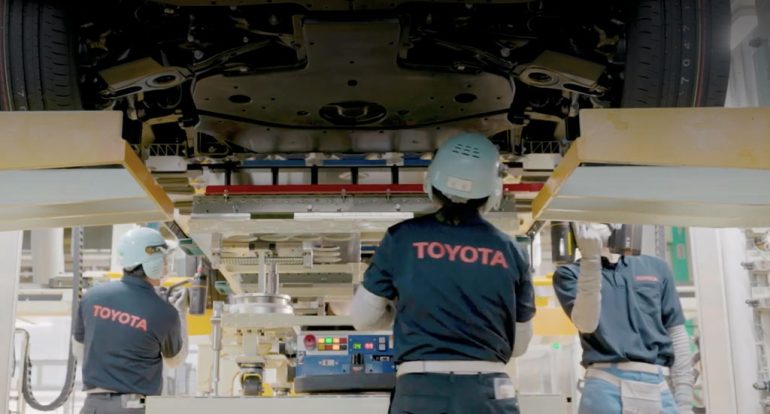
Toyota and Nissan have temporarily suspended operations at several plants in southwestern Japan after a powerful 7.1-magnitude earthquake struck the Kumamoto region on July 28. While the automakers’ factories were not directly damaged, the surrounding infrastructure, supplier network, power systems, and logistics routes were affected enough to force production pauses. The quake has reportedly killed at least 13 people and damaged roads and buildings, making the human impact the most serious part of the story before any discussion of vehicle output.
For Toyota, the suspension affects three plants operated by Toyota Motor Kyushu: Miyata, Kanda, and Kokura. Those facilities are especially important because Miyata builds several Lexus models, while the other plants support engine and hybrid powertrain production. The Miyata plant is a major export hub, and Lexus models such as the ES, RX, NX, and UX are tied to production there, meaning any extended delay could eventually influence U.S. dealer supply. Toyota paused operations after the quake, attempted to resume production, and then extended the suspension through Friday while it evaluates safety, supplier status, and logistics.
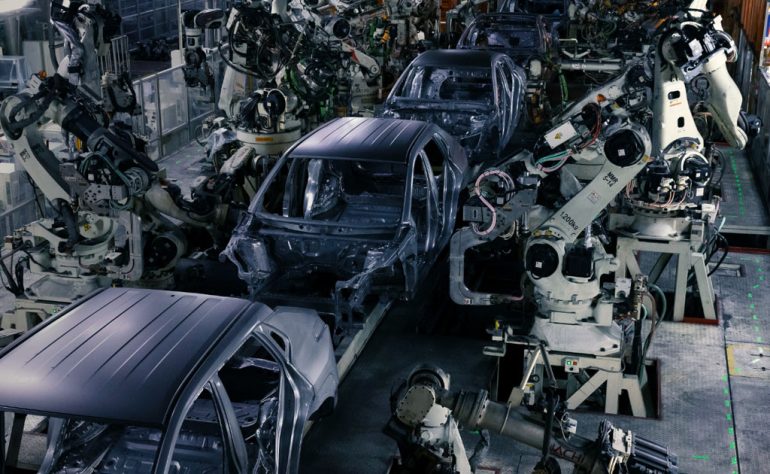
Nissan’s disruption appears more limited but still important. The automaker has suspended parts of its Kyushu operations indefinitely because of parts availability concerns. Nissan’s affected production includes models tied to global markets, including the Infiniti QX80 and Nissan Armada. Even if an assembly plant is structurally fine, it cannot build vehicles without a steady flow of components, and that is where earthquakes can create problems that last longer than the initial shutdown.
The larger concern is the supplier base around Kumamoto and Kyushu. The region is a major hub for automotive and semiconductor manufacturing, and Reuters reports that other manufacturers have also paused or inspected operations after the earthquake. If suppliers that provide electronic components, hybrid parts, powertrain pieces, or vehicle subassemblies remain offline, Toyota and Nissan could face a slower restart even after their own facilities are ready. That is often how modern auto production gets disrupted, not by one damaged factory, but by one missing part from a supplier several steps down the chain.
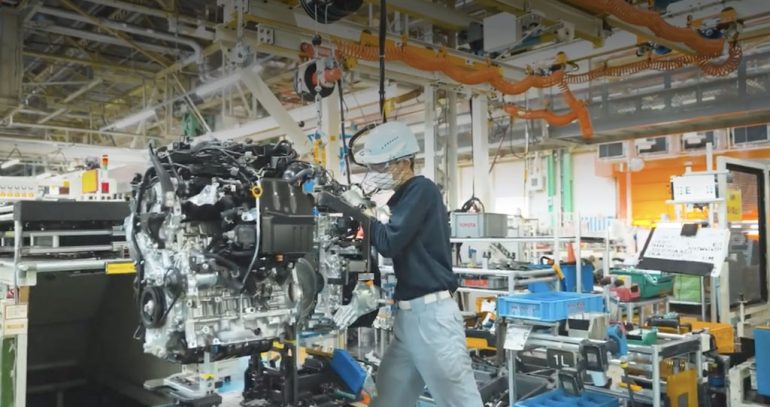
A short pause of a few days may not meaningfully affect U.S. inventory, especially if production resumes quickly and logistics recover without further disruption. But prolonged supplier issues could become more noticeable, particularly for Lexus since a meaningful portion of its U.S. lineup is sourced from Japan. For now, Toyota and Nissan are prioritizing employee safety, plant checks, and supplier coordination. The situation is another reminder of how tightly connected global vehicle production has become, and how a regional natural disaster can quickly ripple into showrooms thousands of miles away.

Lloyd Tobias is a seasoned automotive journalist and passionate enthusiast with over 15 years of experience immersed in the world of cars. Whether it’s exploring the latest advancements in automotive technology or keeping a close pulse on breaking industry news, Lloyd brings a sharp perspective and a deep appreciation for all things automotive. His writing blends technical insight with real-world enthusiasm, making his contributions both informative and engaging for readers who share his love for the drive. When he’s not behind the keyboard or under the hood, Lloyd enjoys test driving the newest models and staying ahead of the curve in an ever-evolving automotive landscape.