
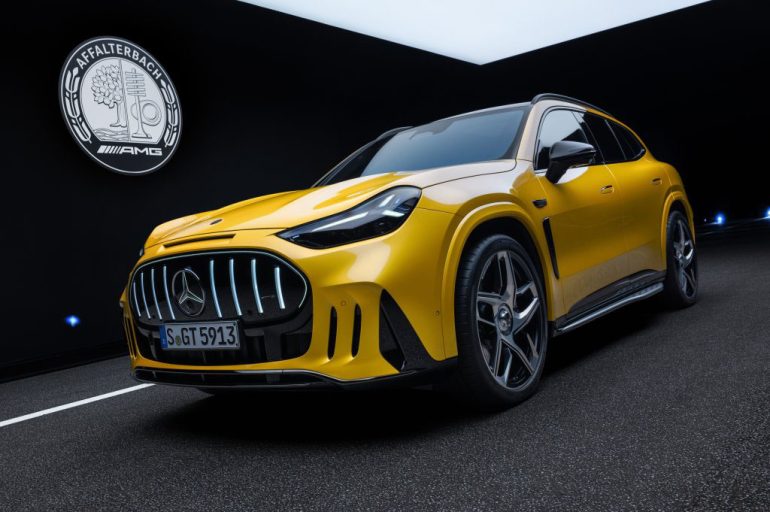
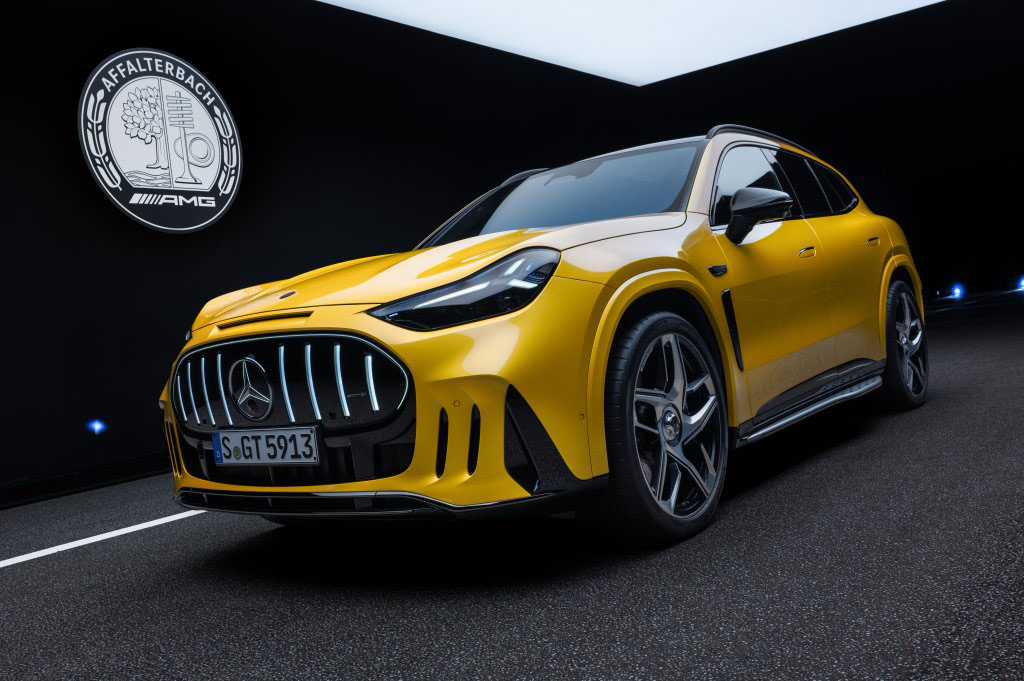
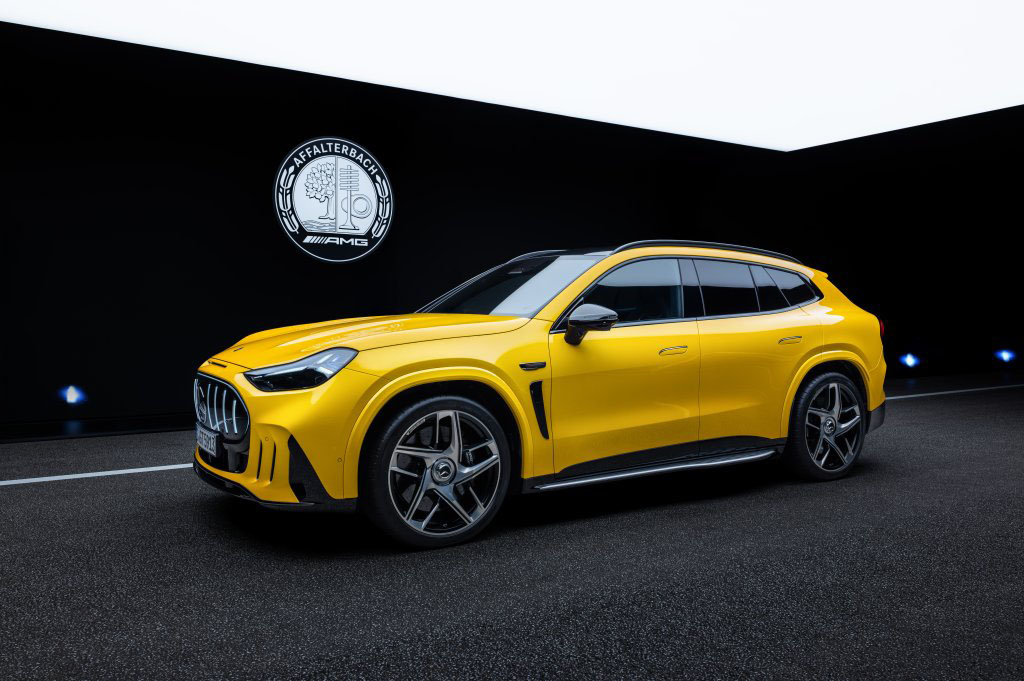
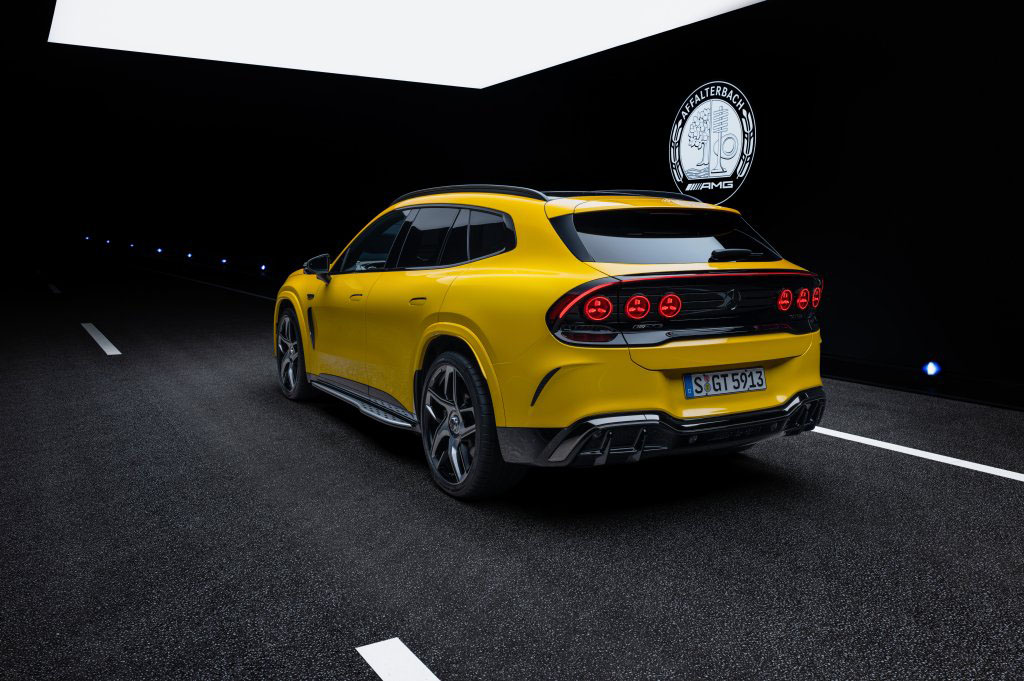
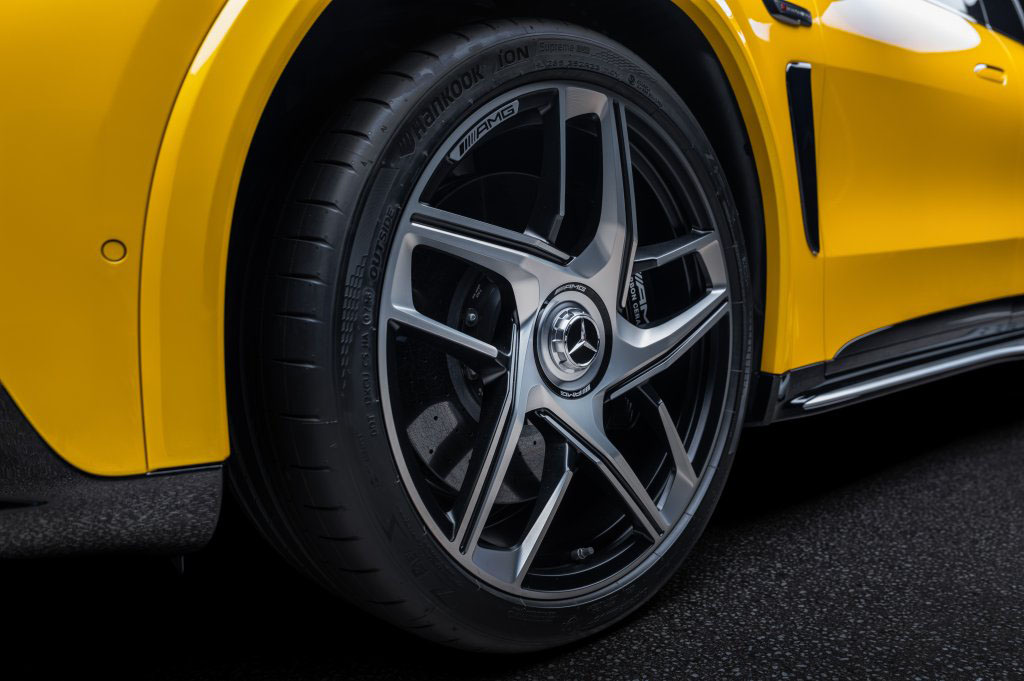
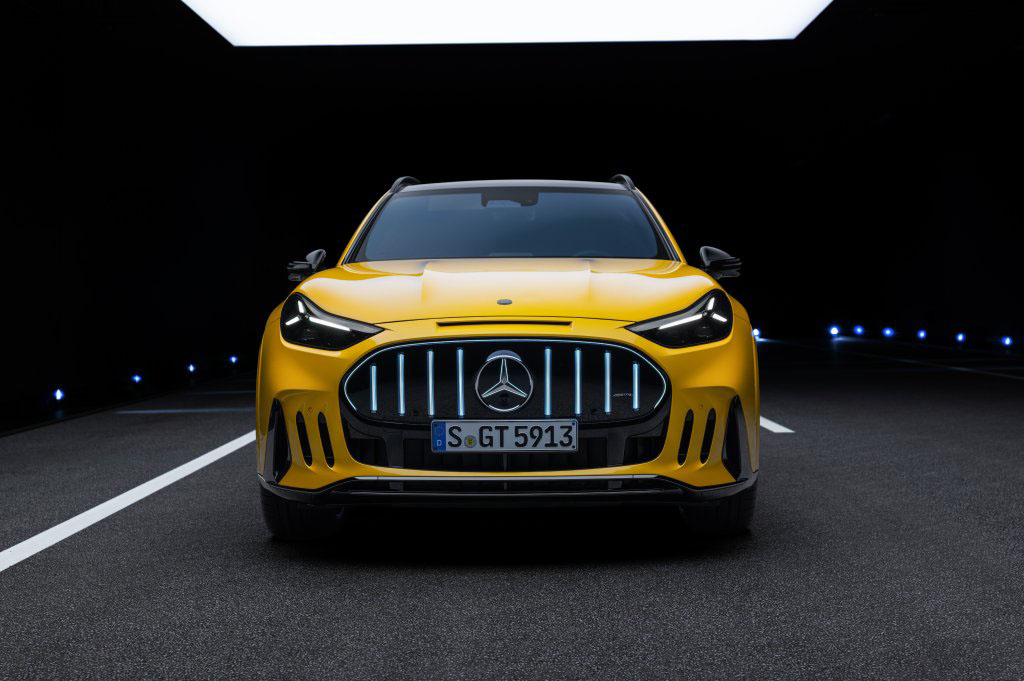
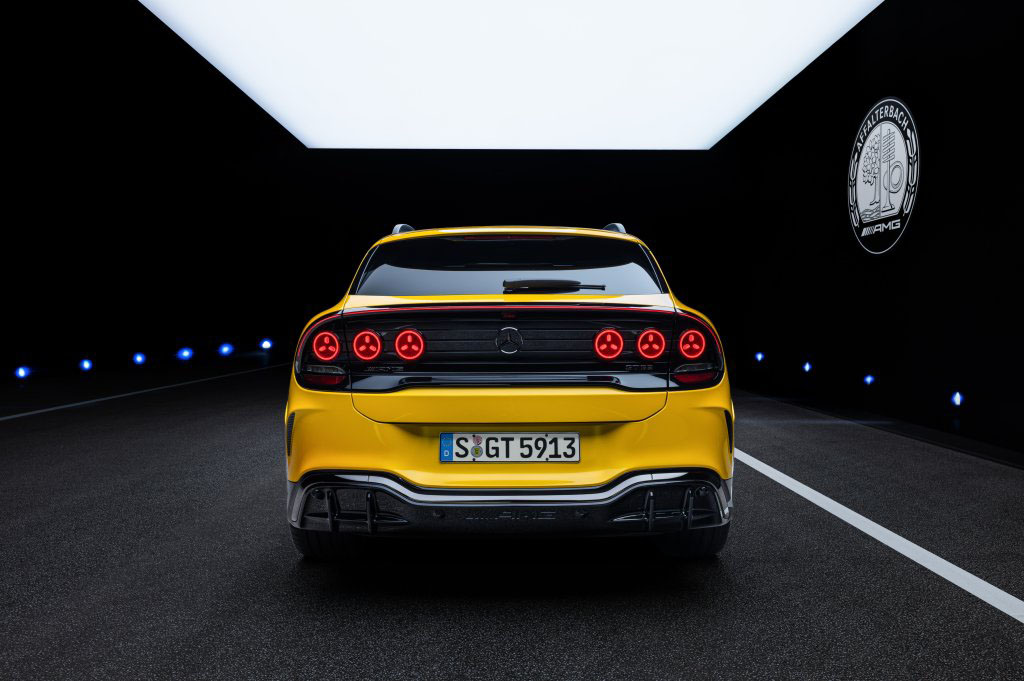
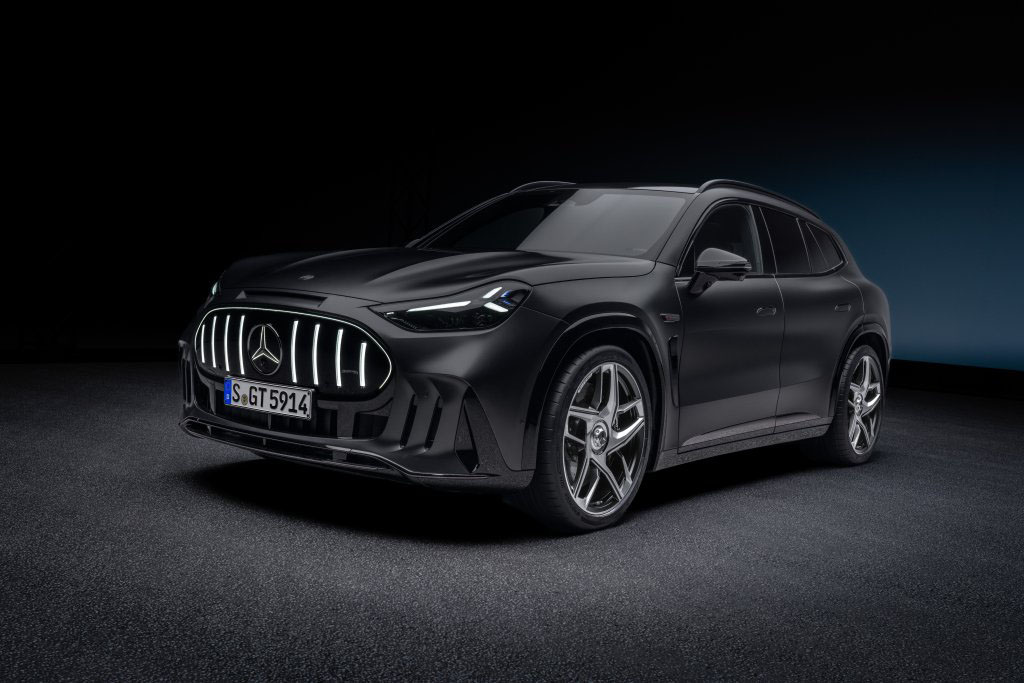
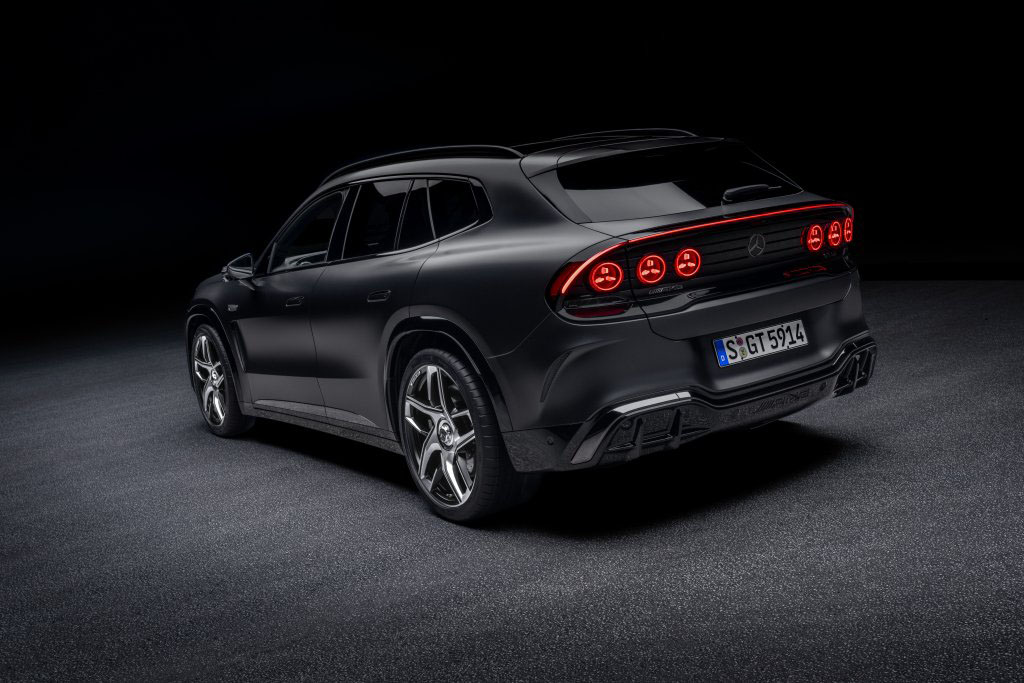
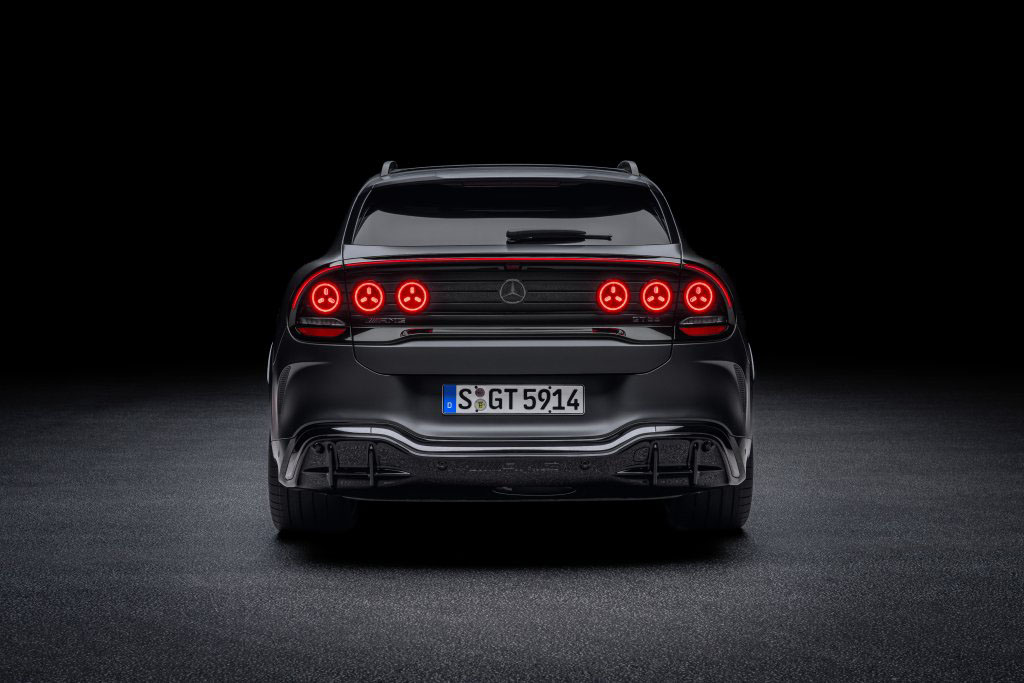
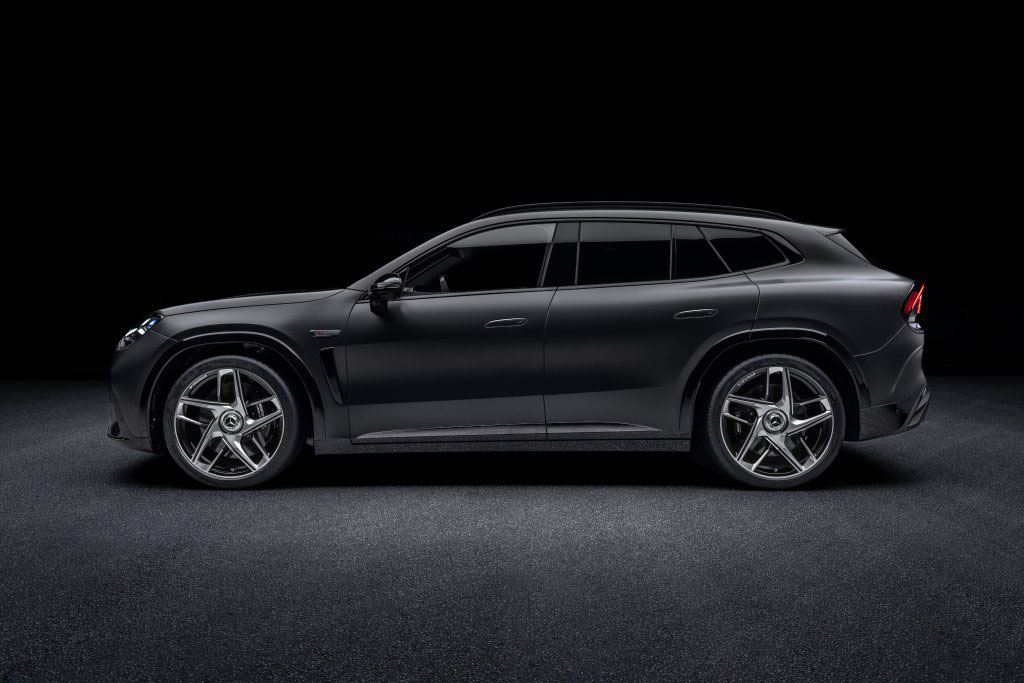
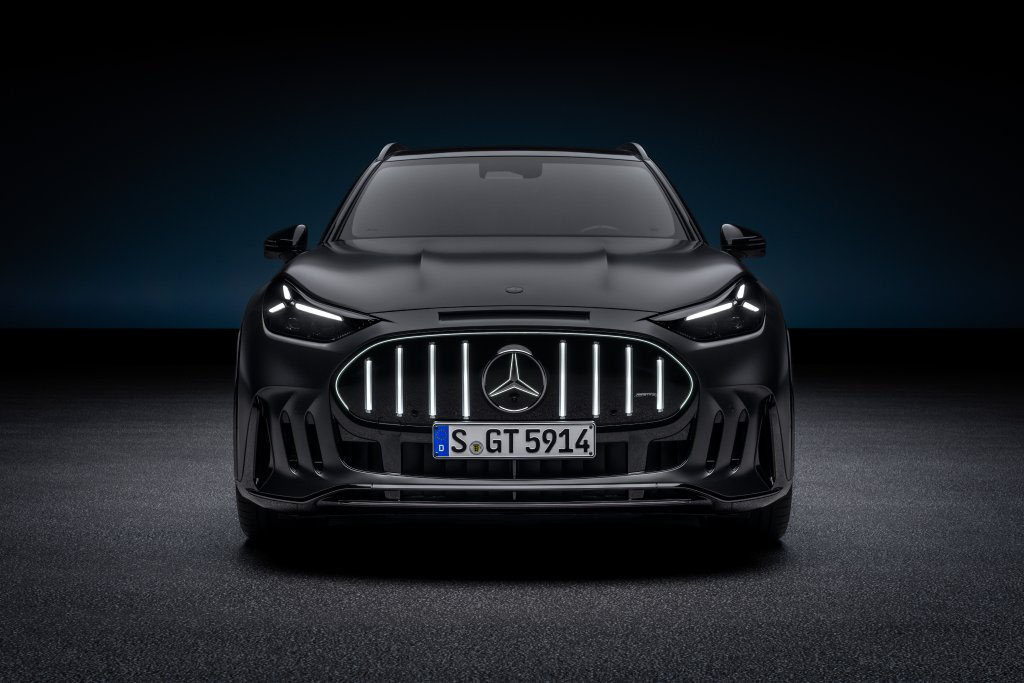
Mercedes-AMG is taking its high-performance electric ambitions to another level with the introduction of the all-new 2028 Mercedes-AMG GT SUV. If the recently unveiled AMG GT 4-Door Coupe wasn’t enough to convince enthusiasts that the performance division is serious about electrification, this latest creation should certainly get their attention. With as much as 1,153 horsepower, a claimed 0-60 mph time of just 2.4 seconds, and some rather sophisticated chassis technology, the new GT SUV promises to deliver supercar acceleration wrapped in a more practical package. Perhaps even more significant is that this marks the first SUV developed entirely in-house by AMG, rather than being based on an existing Mercedes-Benz SUV.
Underneath its aggressive bodywork sits Mercedes-AMG’s dedicated AMG.EA electric architecture, the same foundation used by the upcoming GT 4-Door Coupe. Unlike traditional electric SUVs that prioritize efficiency and comfort above everything else, the AMG GT SUV has been engineered with outright performance at the forefront. Buyers will have three versions to choose from, including the GT53, GT55, and range-topping GT63. Each brings a different level of performance, but the technology found in the upper trims is where AMG is really flexing its engineering muscle.
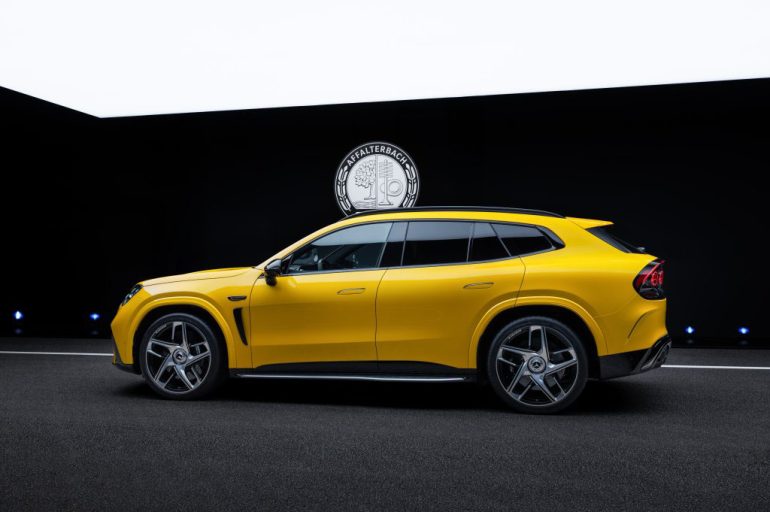
The headline-grabbing GT63 uses three advanced axial-flux electric motors to generate an astonishing 1,153 horsepower and 1,475 lb-ft of torque. Two motors drive the rear wheels and enable precise torque vectoring, while a third powers the front axle when additional traction or acceleration is needed. Mercedes-AMG claims the GT63 can reach 60 mph in only 2.4 seconds, putting this family-friendly SUV into territory once reserved for exotic supercars. That’s slightly behind the equally powerful GT63 sedan’s estimated 2.0-second sprint, but considering the SUV’s additional weight and larger profile, few drivers will complain about a vehicle this substantial accelerating with such ferocity.
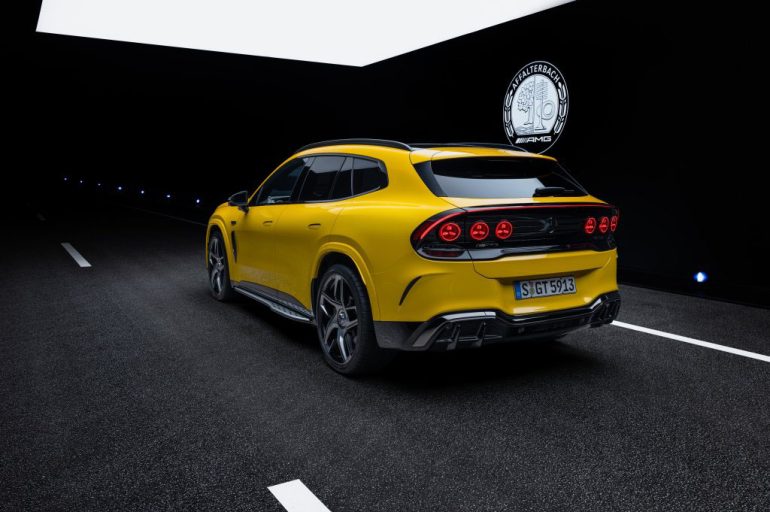
For those who don’t necessarily need four-figure horsepower numbers, the AMG GT55 still delivers an impressive 805 horsepower and 1,372 lb-ft of torque using the same three-motor configuration. Both the GT55 and GT63 can sustain up to 711 horsepower, an important distinction in an era when electric vehicles often advertise enormous peak outputs that are only available for short periods. AMG’s axial-flux motors are particularly interesting because they offer exceptional power density compared with more conventional electric motors. The technology has previously appeared in expensive exotic applications, but Mercedes-AMG is now bringing it into a broader range of high-performance production vehicles. It’s an ambitious move that could help distinguish AMG’s electric offerings from an increasingly crowded field of powerful luxury EVs.
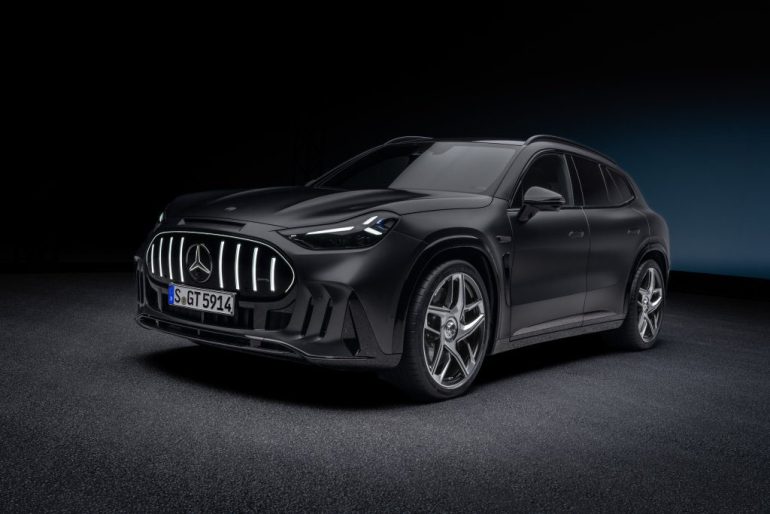
Interestingly, the GT53 could end up being the sweet spot of the lineup. Instead of the more exotic three-motor arrangement, the entry-level model uses two conventional permanent-magnet electric motors producing a combined 536 horsepower and 590 lb-ft of torque. A direct-drive front motor works alongside a rear motor connected to a two-speed transmission, providing all-wheel-drive capability while focusing more heavily on efficiency. The GT53 is also nearly 400 pounds lighter than its more powerful siblings, which could translate into a noticeably different driving experience. With more than 500 horsepower available, it’s hardly a consolation prize, and its lower weight could make it particularly appealing to drivers who value balance over bragging rights.
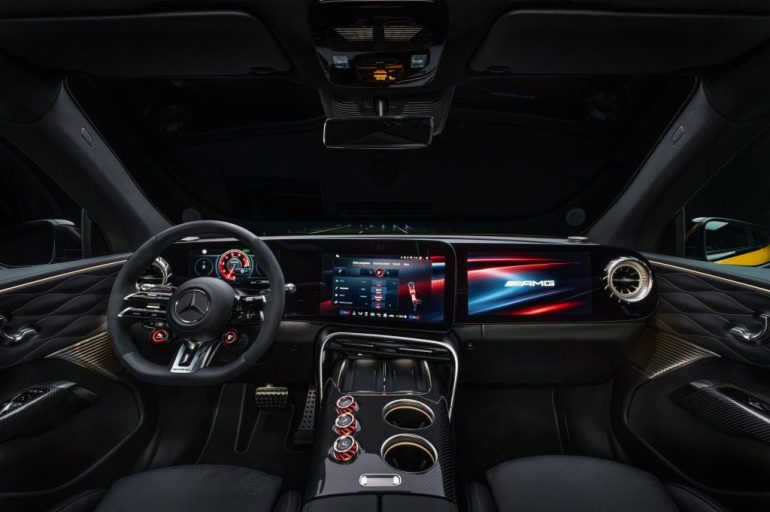
Battery technology is another major component of the new AMG GT SUV’s performance equation. The GT55 and GT63 feature a substantial 128-kWh usable battery pack operating on an 800-volt electrical architecture, representing a 22 percent increase in capacity over the 106-kWh battery found in the GT sedan. That additional capacity helps compensate for the SUV’s greater weight and less aerodynamic shape. The GT53 makes do with the smaller 106-kWh battery, but its more efficient electric motors should help keep its overall driving range reasonably close to that of the more powerful models. Official EPA range estimates have not yet been announced, although the possibility of approximately 300 miles or more under certain configurations makes this a particularly interesting development. The larger battery also supports DC fast charging at up to 710 kW under suitable conditions, potentially making charging stops remarkably brief when compatible infrastructure is available.
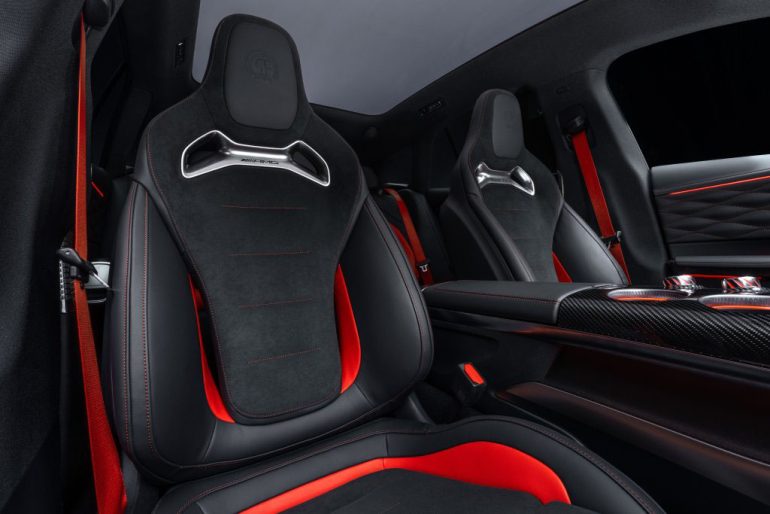
Of course, getting a nearly 6,000-pound electric SUV to accelerate like a supercar is one thing. Making it behave like a proper AMG when the road gets twisty is an entirely different challenge. That’s where the newly developed AMG Active Ride Control+ suspension enters the picture. Building on the technology introduced in the electric GT sedan, the system incorporates active roll and pitch stabilization to better manage body movements during aggressive cornering, acceleration, and braking. Three-chamber air springs also help balance ride comfort with handling precision. For an SUV carrying this much battery weight and performance potential, the suspension could be one of its most important features. Whether it delivers the engaging driving experience AMG enthusiasts expect remains something we’ll have to discover behind the wheel.
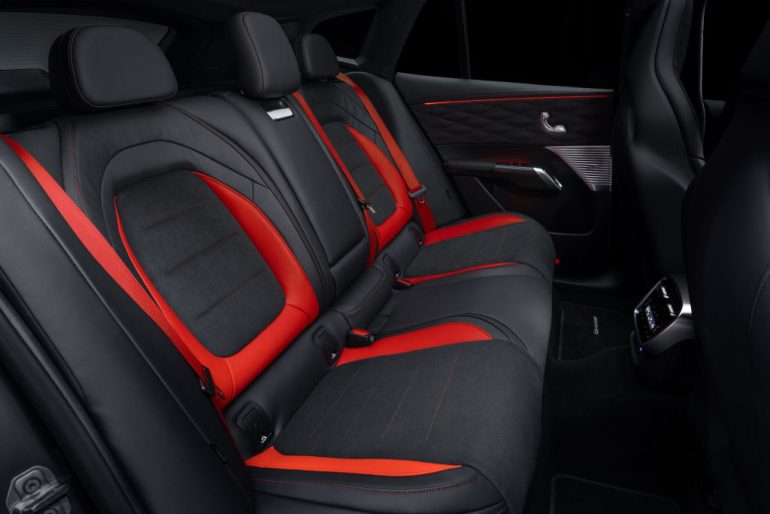
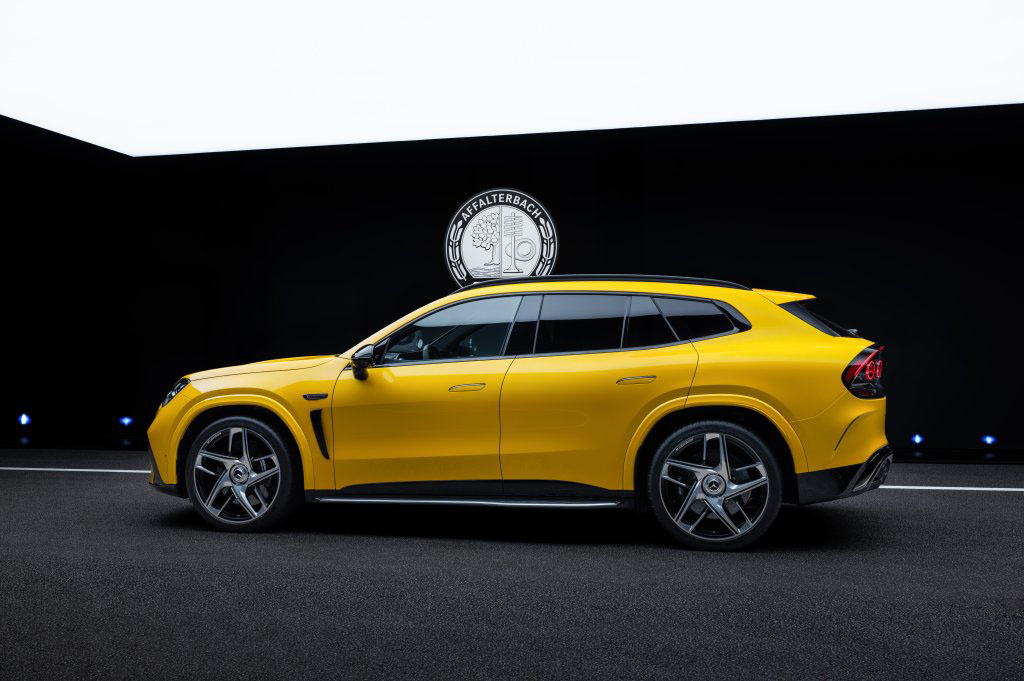
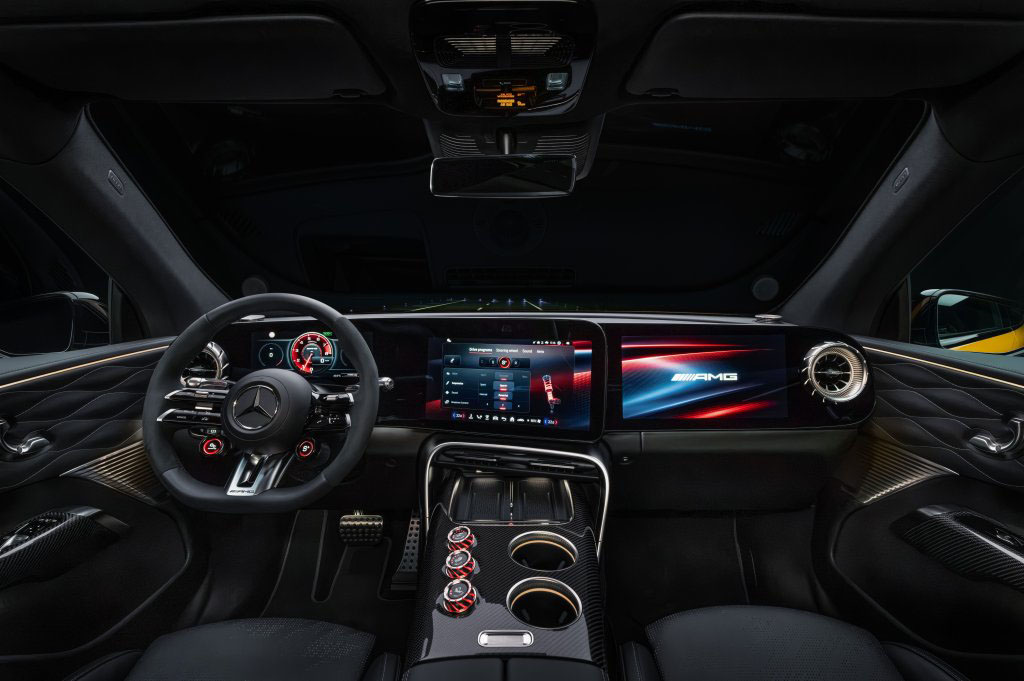
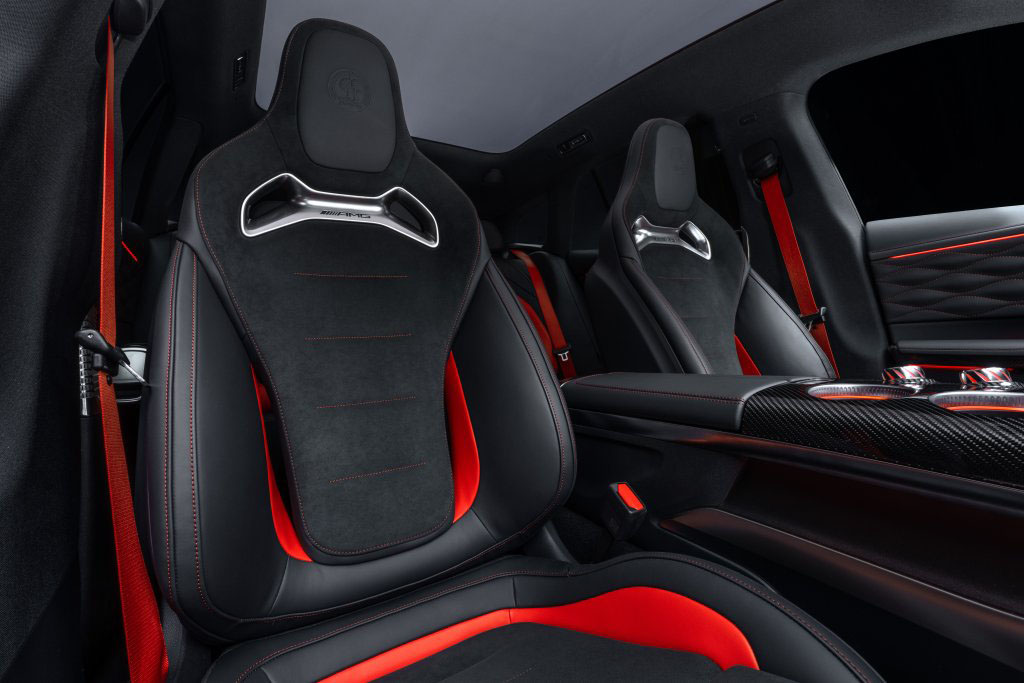
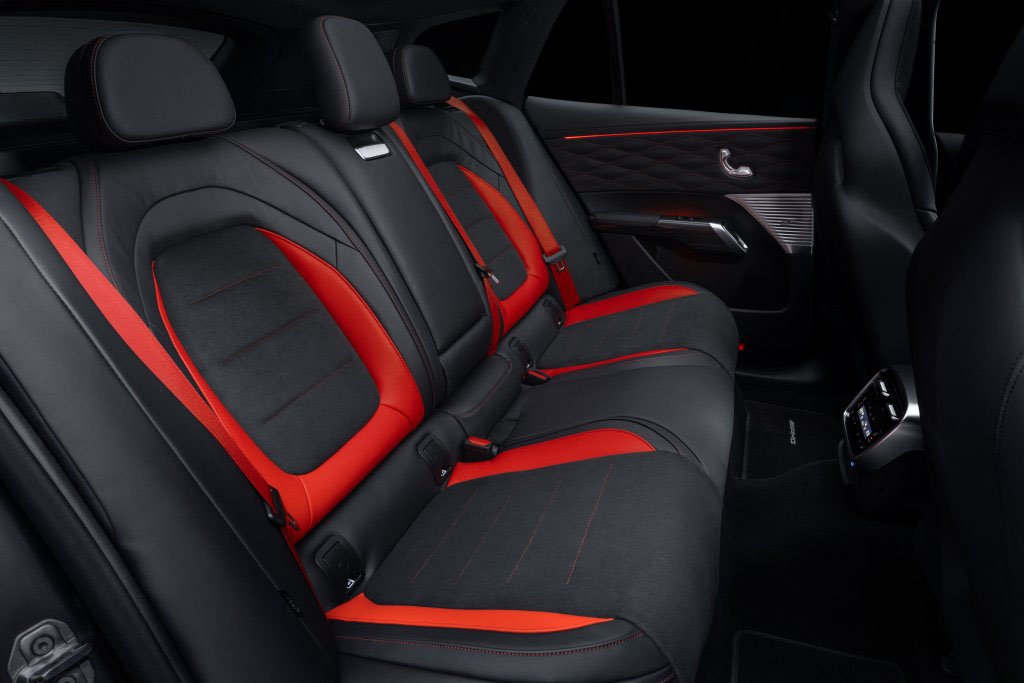
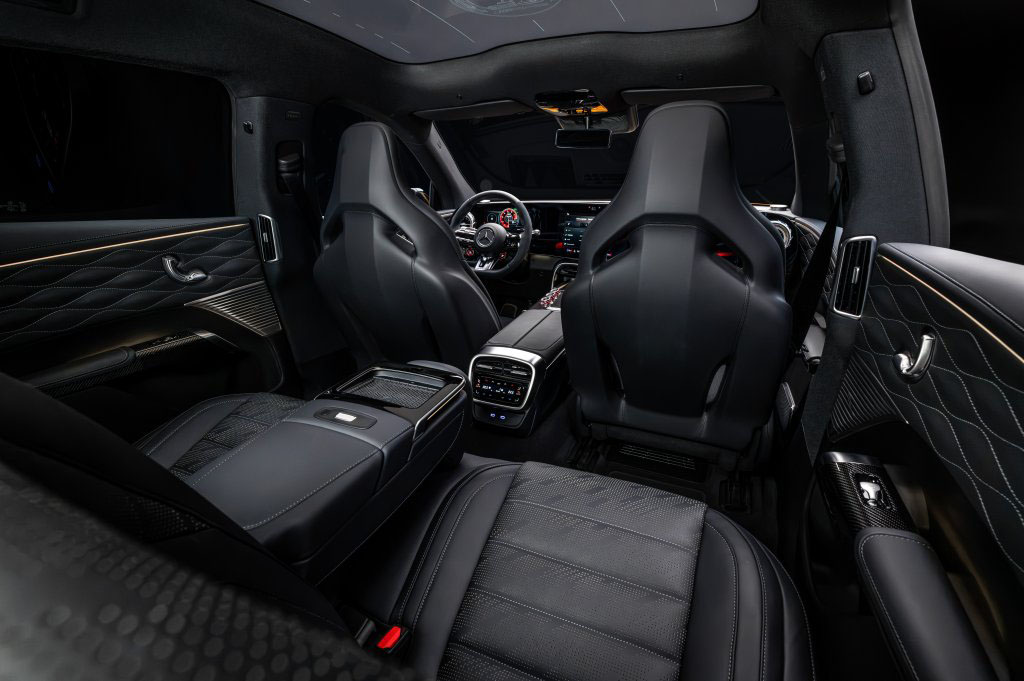
Inside, the AMG GT SUV offers a familiar blend of luxury, technology, and performance-focused controls, while providing substantially more passenger space than its lower-slung sedan counterpart. The driver-oriented dashboard features prominent digital displays, including an available passenger screen, while AMG’s Race Engineer controls allow adjustments to key driving characteristics such as response, agility, and traction. Rear-seat passengers benefit from the SUV’s taller roofline and more generous legroom, making this a genuinely usable performance vehicle for families. The added practicality is a major selling point, especially for buyers who want the excitement of an AMG GT without sacrificing everyday comfort or the ability to carry passengers and luggage.
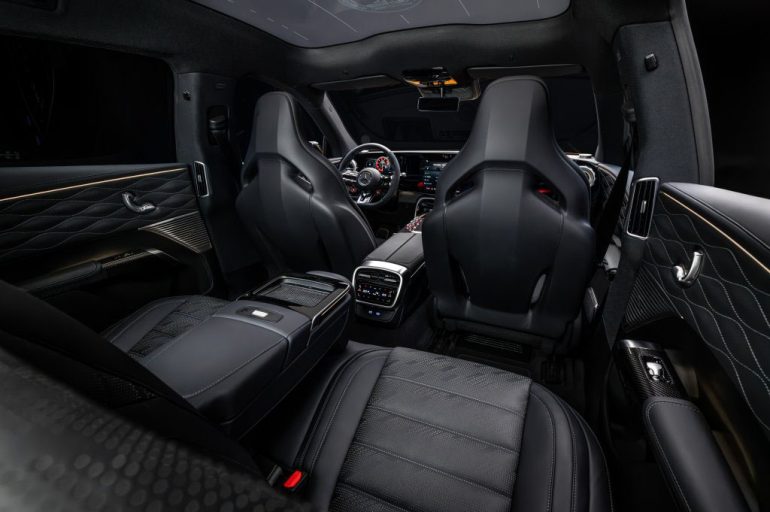
AMG is also attempting to preserve some of its traditional personality in the transition to electric propulsion. The GT55 and GT63 offer simulated V8 engine sounds, artificial gear changes, and even seat vibrations designed to recreate some of the sensations associated with a powerful combustion engine. The GT53 takes a slightly different approach with a simulated six-cylinder soundtrack. These features will undoubtedly divide opinion among enthusiasts, particularly those who believe the unmistakable growl of an actual AMG V8 cannot be replicated electronically. Fortunately, the artificial sound effects can be switched off, allowing drivers to enjoy the immediate torque and relative quietness that electric propulsion naturally provides. Personally, we’d be just as interested in experiencing the electric motors without the additional theatrics.
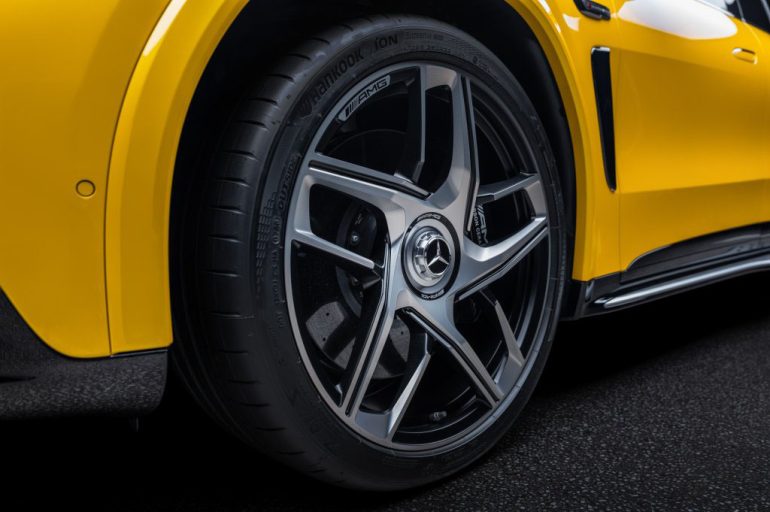
The 2028 Mercedes-AMG GT SUV is scheduled to reach U.S. dealerships in summer 2027, with official pricing and EPA driving-range figures expected closer to launch. Early estimates suggest the GT53 could start somewhere around $130,000, although Mercedes-Benz has yet to confirm American pricing. The GT55 and GT63 will undoubtedly command considerably more, particularly once buyers start exploring AMG’s extensive list of performance and luxury options. What makes this new SUV especially interesting isn’t simply its outrageous horsepower figure, but the fact that AMG is developing an entirely new kind of performance vehicle around electric technology. Whether it can capture the same emotional connection as the brand’s legendary V8-powered machines remains to be seen. Still, an SUV capable of reaching 60 mph in 2.4 seconds while carrying the family in comfort is a pretty convincing demonstration of what AMG has planned for its electric future.

Mike Floyd is a finance executive by trade and a car enthusiast at heart. As a CFO with a keen eye for detail and strategy, Mike brings his analytical mindset to the automotive world, uncovering fresh insights and unique perspectives that go beyond the surface. His passion for cars—especially his favorite, the Porsche 911, fuels his contributions to Automotive Addicts, where he blends a love for performance and design with his professional precision. Whether he’s breaking down industry trends or spotlighting emerging innovations, Mike helps keep the site both sharp and forward-thinking.

 A Star is Reborn on Screen and Track with the Mercedes-AMG GT 63 APXGP Edition
 The 2025 Mercedes-AMG GT 63 S E PERFORMANCE 4-Door Coupe is A Hybrid Powerhouse With Hopes to Redefine 4-Door Performance
 Introducing the Mercedes-AMG GT 63 PRO 4MATIC+ “Motorsport Collectors Edition” – A Limited-Run Tribute to Formula 1 Legacy


