
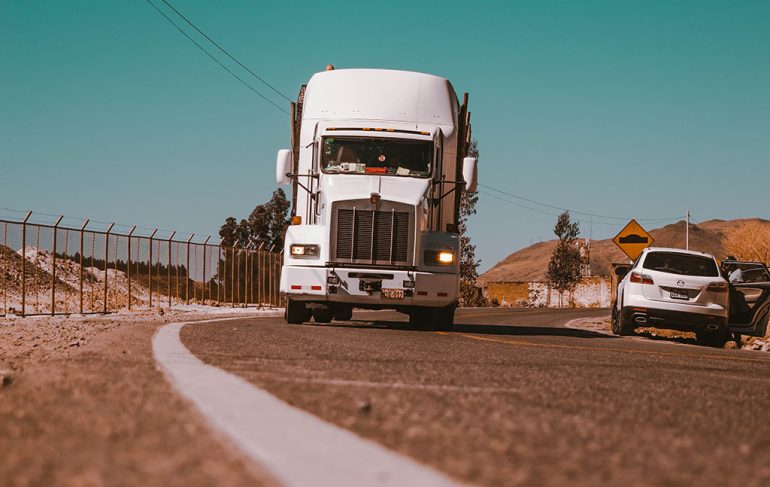
A commercial truck accident can change both lives and businesses. In Boston, Massachusetts, commercial truck accidents remain a significant safety concern on busy highways and urban streets. According to the Massachusetts Department of Transportation, large truck crashes involving injury or fatality have increased in recent years, with hundreds of such accidents reported annually across the state. The Federal Motor Carrier Safety Administration reports that Massachusetts sees over 2,000 crashes involving large trucks each year, highlighting the critical need for understanding liability in these complex cases. All parties need to be aware of liability in such situations.
In this article, we examine important facets of liability in commercial truck crashes to break down what it means for those involved. Consulting with a Boston truck accident lawyer can help victims understand their legal rights and pursue appropriate compensation after a crash.
Liability in truck accident cases can involve various parties. There’s usually more than one party involved, and when multiple parties are allegedly responsible for an incident, things can get complicated. It is critical to identify these parties so that victims are compensated appropriately.
Following an incident, it is often the truck driver who is subjected to examination first. There may be various reasons that can cause them to be at fault, such as negligence, distraction, or improper handling. In case there was a traffic law or regulation violation, the driver will be responsible for the damages caused.
Liability can also fall on trucking companies. They hire professional drivers, maintain vehicles, and follow safety regulations. If a company acts negligently with these obligations, the company may bear some liability in the case of an accident.
Truck accidents may be due in part to equipment failure. In these instances, blame could lie with the manufacturer of the truck or its components. Brakes, tires, or other critical parts malfunctioning could lead to serious accidents.
Various regulations govern commercial trucking. All these regulations are there to keep roadways safe. Understanding these rules can help determine liability, which will assist with potential legal challenges.
These regulations define how many hours a driver can operate the vehicle without resting. According to the Federal Motor Carrier Safety Administration, violations of hours-of-service rules contribute significantly to driver fatigue-related crashes nationwide. Breaking these regulations can result in driver exhaustion, which may increase the chances of accidents. To mitigate risks, compliance is necessary.
Trucking companies must adhere to strict maintenance requirements. Vehicles require periodic inspections and service to be safe. If standards are not maintained, mechanical failure can occur, creating liability issues.
An improper load on a truck can make it unstable. This can result in accidents if there is an overload or imbalance. Companies handling the loading need to comply with certain rules and procedures to avoid situations like this.
In the aftermath of a truck accident, lawsuits often ensue. Awareness of the legal situation may help in navigating these challenges.
Finding out the fault is a vital part of the legal process. Investigations can include looking at driver logs, vehicle maintenance records, and witness accounts. Assigning liability requires establishing who caused the accident.
Insurance is a huge part of what settles truck accident cases. Victims seek to be compensated for medical bills, property damages, and other losses. Knowledge about the insurance process can help you receive fair compensation.
Having a lawyer is often useful. Truck accident attorneys can help steer you in the right direction. They provide guidance on rights and assist in navigating complicated legal processes.
Addressing the issue of truck accidents is not the sole responsibility of truck drivers. There are many measures that, if implemented, can drastically cut down the chances of incidents occurring.
The training of drivers should be ongoing. Safety awareness and defensive driving programs can sharpen driving skills and help limit mistakes. Well-trained drivers who can anticipate hazards have fewer accidents.
Periodic tests confirm if a vehicle is fit to drive. Identifying potential issues early can prevent problems before they cause accidents. Preventive maintenance can help prevent accidents due to mechanical failure.
If followed properly, safety protocols can help reduce risks. Organizations should ensure that regulations and industry standards are being followed. Safety should always be the top priority.
There are many different factors, as well as parties, that may be at fault in a commercial truck accident. Understanding liability is important for those who have been affected by these incidents. While accountability, regulations, and prevention are crucial, it is up to everyone involved to work towards safer roads and a more equitable outcome.

Automotive Addicts Contributors are a collective of guest writers, industry professionals, and passionate enthusiasts who bring fresh perspectives to the Automotive Addicts platform. Focused on delivering timely news, in-depth reviews, and unique insights, these contributors help keep the site dynamic and engaging. Many use the platform to expand their reach and build credibility within the automotive media world, adding depth and variety to the content that drives the Automotive Addicts community.


