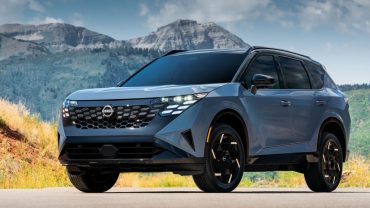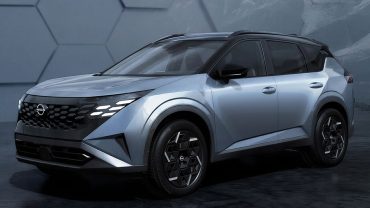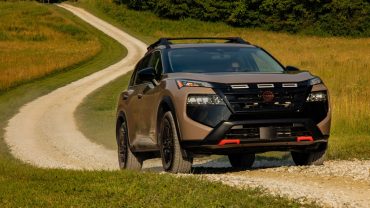

Nissan is finally stepping into the plug in hybrid compact SUV arena with a vehicle that will feel very familiar to anyone who has spent time around a Mitsubishi showroom. The 2026 Nissan Rogue Plug In Hybrid is on its way to the Los Angeles auto show and into dealerships in early 2026, giving the brand a much needed answer to the Toyota RAV4, Hyundai Tucson, Kia Sportage, and a growing list of electrified rivals. Underneath the Nissan grille, though, this is essentially a Mitsubishi Outlander PHEV in different clothes, and that shapes just about everything you need to know about it.
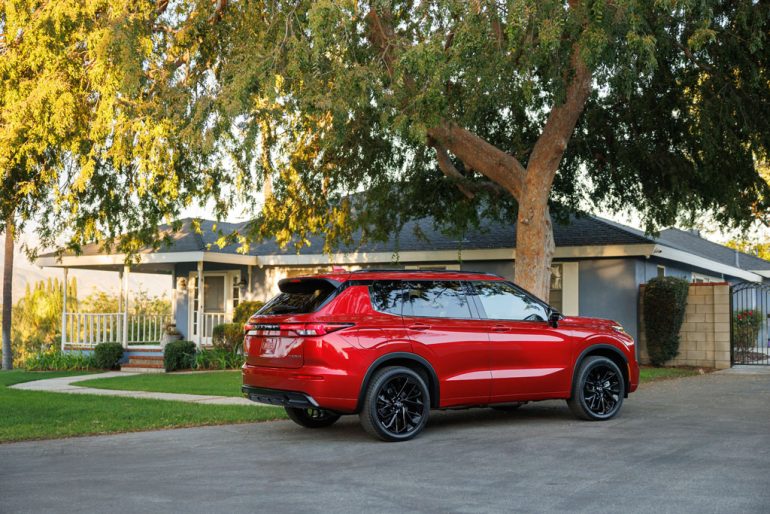
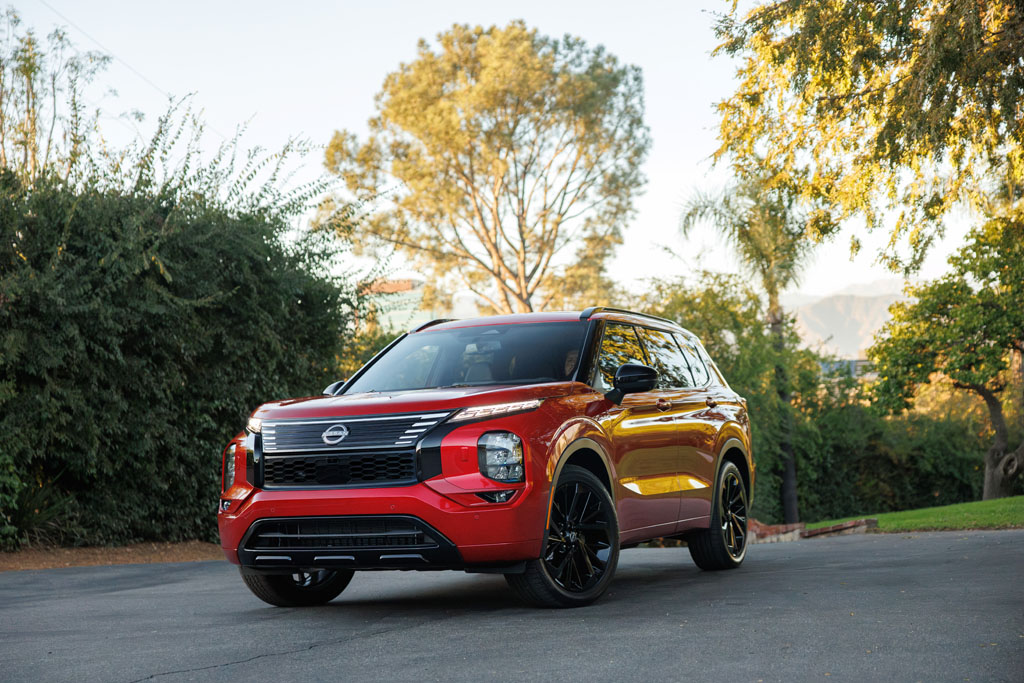
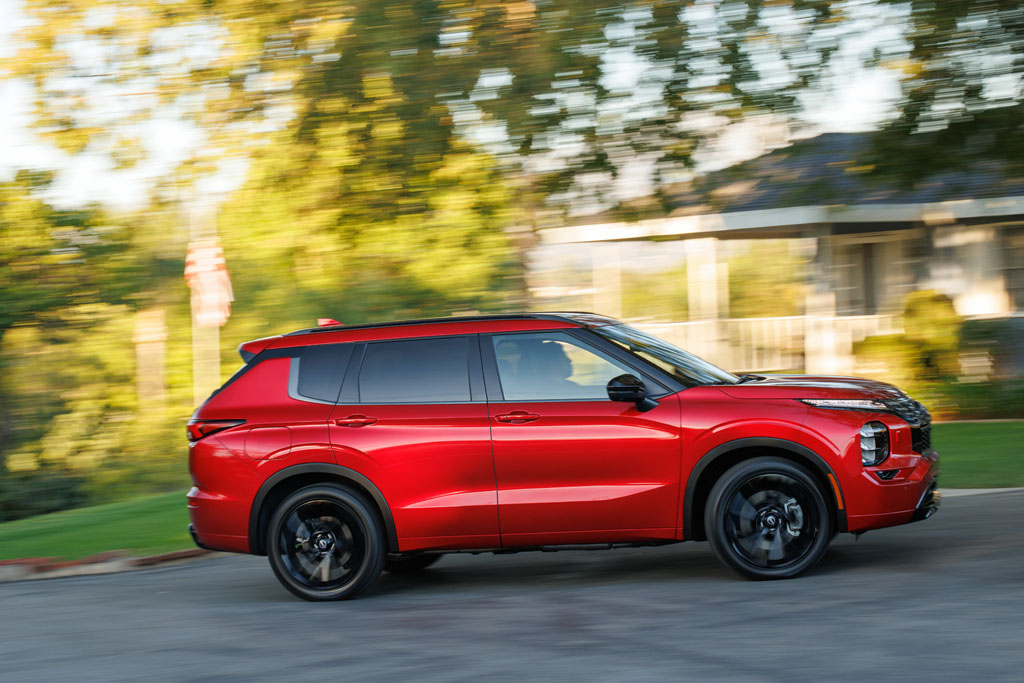
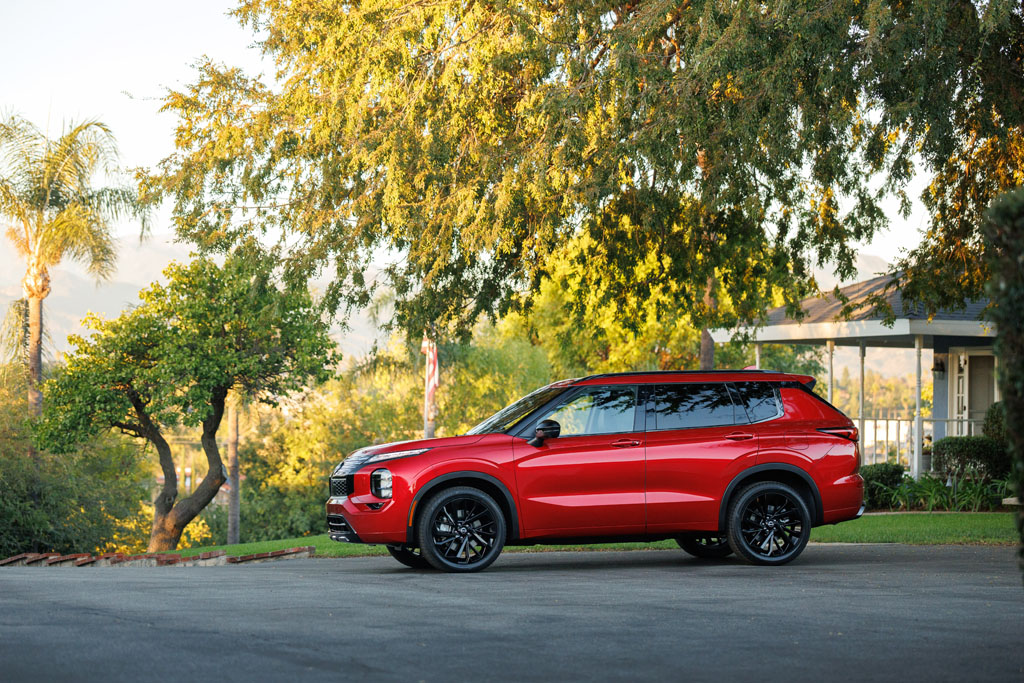
If you parked the Rogue Plug In Hybrid next to a Mitsubishi Outlander PHEV, you would immediately see the family connection. Nissan did not attempt to reinvent the sheetmetal. The overall body, glasshouse, and proportions are straight out of Mitsubishi’s playbook. The biggest visual change is at the front, where the Rogue PHEV adopts a Nissan specific grille with a horizontal chrome bar and a big Nissan logo, echoing the latest Pathfinder design.
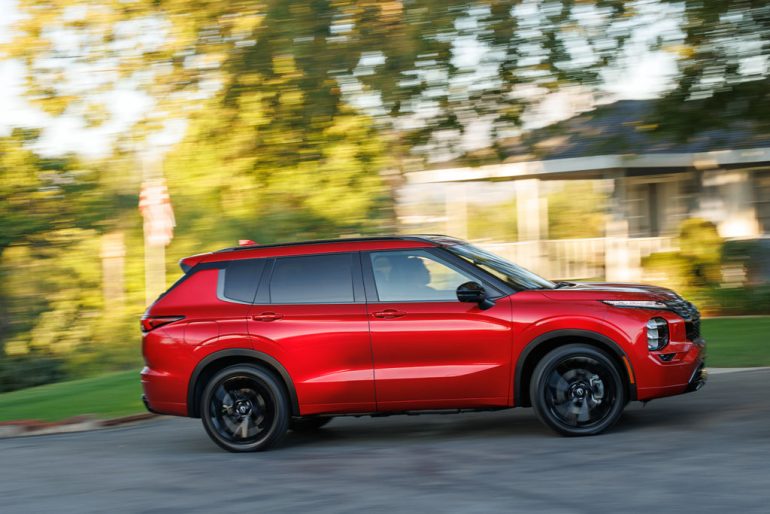
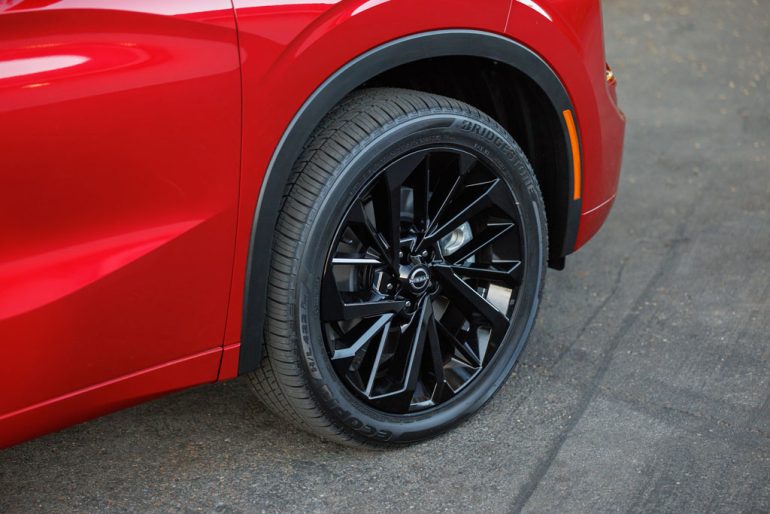
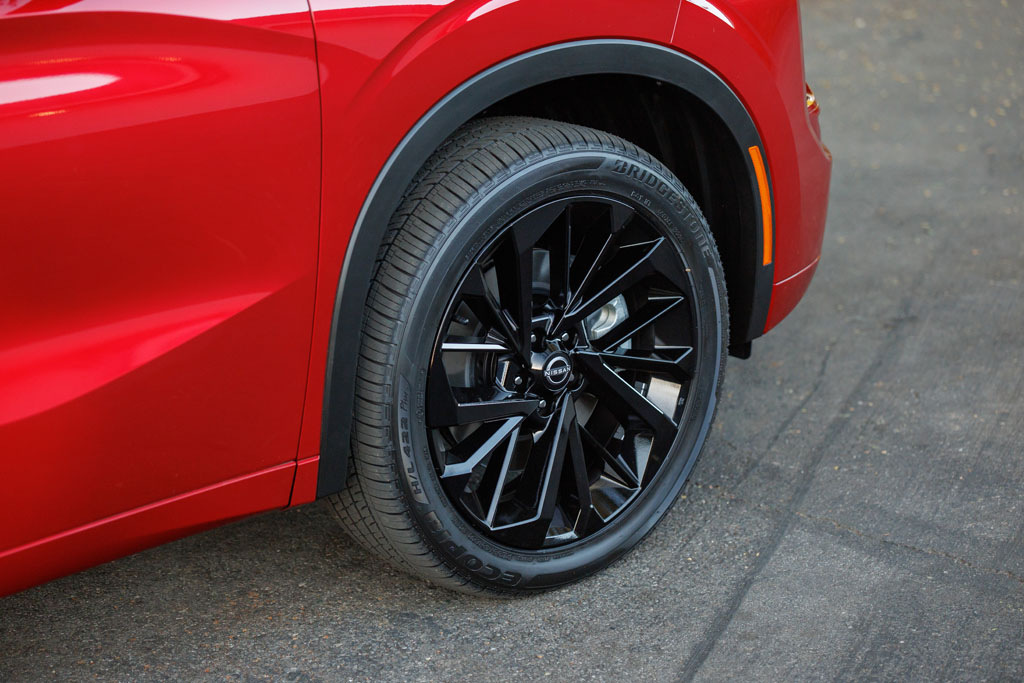
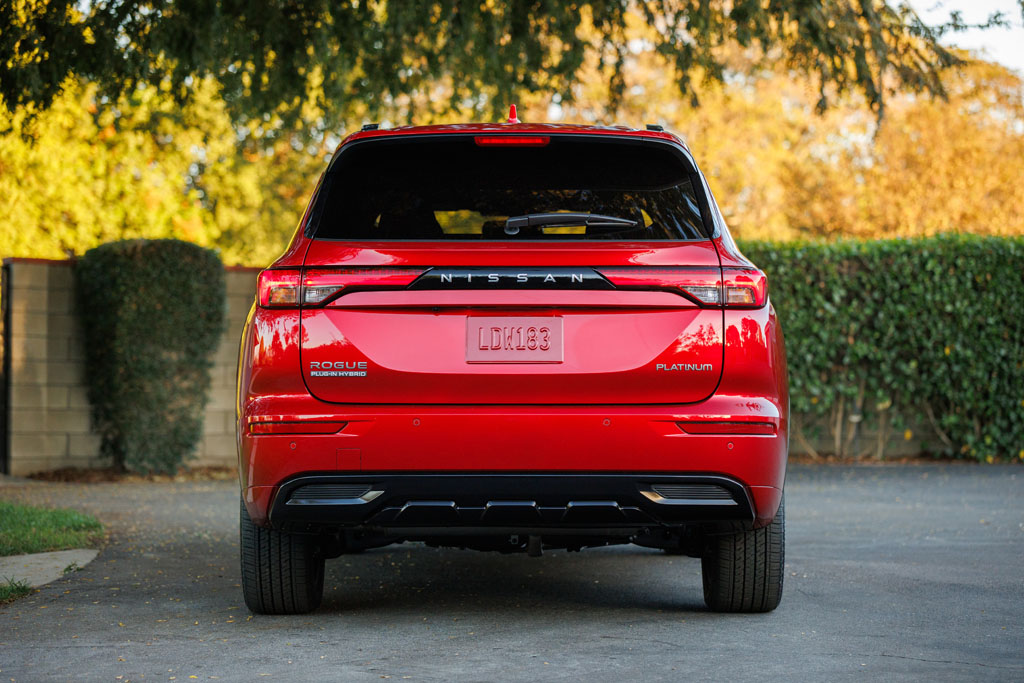
Other details try to give the Rogue a slightly sportier, stealthier vibe. The 20 inch wheels are finished in black, as are the side mirrors, roof rails, window trim, and lower front intake. Out back, instead of Mitsubishi’s design, you get a black trim strip linking the taillights with Nissan script, plus some darker bumper detailing. It is enough to make the Rogue PHEV look like part of the Nissan family at a glance, but anyone who knows their crossovers will spot the Outlander bones instantly.
Nissan will offer just two trims at launch, SL and Platinum, which also helps explain the more upscale appearance. There is no stripped down entry model here.
Mechanically, the Rogue Plug In Hybrid really is an Outlander PHEV with different badges, and that is not a bad thing. Power comes from a 2.4 liter four cylinder gas engine working together with two electric motors and a lithium ion battery pack. Total system output sits at 248 horsepower and 332 lb ft of torque, all routed through an all wheel drive setup.
That makes this the most powerful Rogue you will be able to buy. Nissan says it will be noticeably quicker than the standard turbo three cylinder Rogue, and early testing of the Mitsubishi cousin suggests mid six second runs to 60 mph are realistic. For a family oriented compact SUV, that should feel pleasantly brisk merging onto the highway or squirting through traffic.
The battery pack offers around 16.8 kWh of usable capacity, which translates to an estimated 38 miles of electric only range before the gas engine needs to join in. Total range is pegged at about 420 miles with a full battery and a full tank. That puts the Rogue PHEV right in the mix with other plug in compact crossovers, though not at the very top. Some rivals like the Toyota RAV4 Prime and newer plug in entries can stretch their EV ranges into the 40 to 50 mile zone.
Efficiency numbers are familiar as well. The Rogue Plug In Hybrid is rated at 64 MPGe when you are using both the battery and gasoline, or 26 mpg combined once the battery is depleted and it is running as a regular hybrid. Those figures mirror the Outlander PHEV almost exactly.
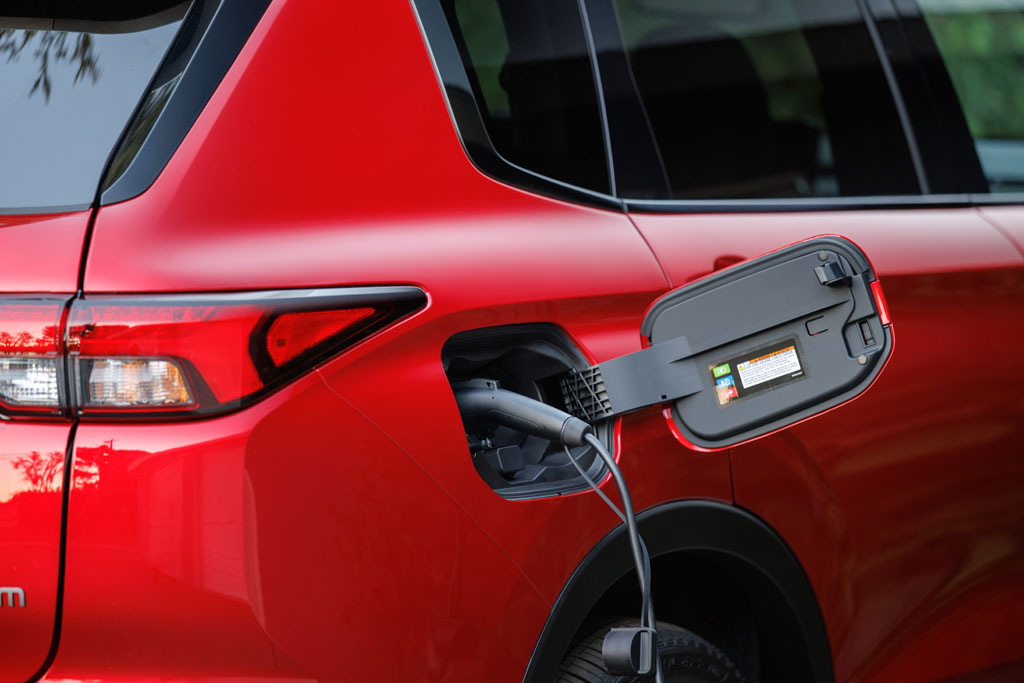
On the charging front, Nissan keeps things simple. A Level 2 home or public charger will take about 7.5 hours to refill the battery from empty, which fits the overnight plug in pattern most PHEV owners use. There is no DC fast charging support, and that is one area where the Rogue already feels behind the curve, especially as Toyota prepares a next generation RAV4 plug in hybrid with proper DC fast charge capability.
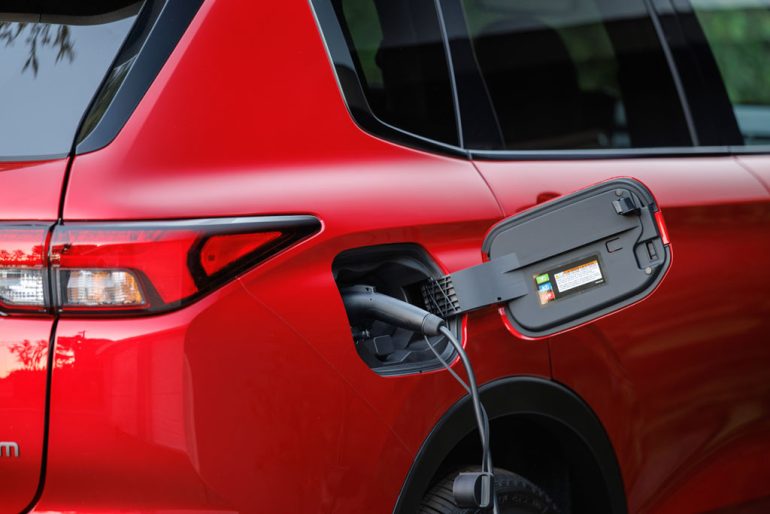
The good news is that Nissan switches to the common J1772 connector for the Rogue instead of the CHAdeMO setup Mitsubishi still uses on the Outlander PHEV. That small detail will make public charging much easier for most owners in the United States.
Behind the wheel, drivers will find multiple ways to manage the battery. An EV mode lets you prioritize electric running for short commutes or errands. A Save setting holds the battery at its current state of charge so you can save EV miles for later in the trip, while a Charge mode uses the gas engine to feed some power back into the pack as you drive. Two levels of regen are available by moving the shifter from D to B, and the e Step function delivers a near one pedal driving feel in city traffic.
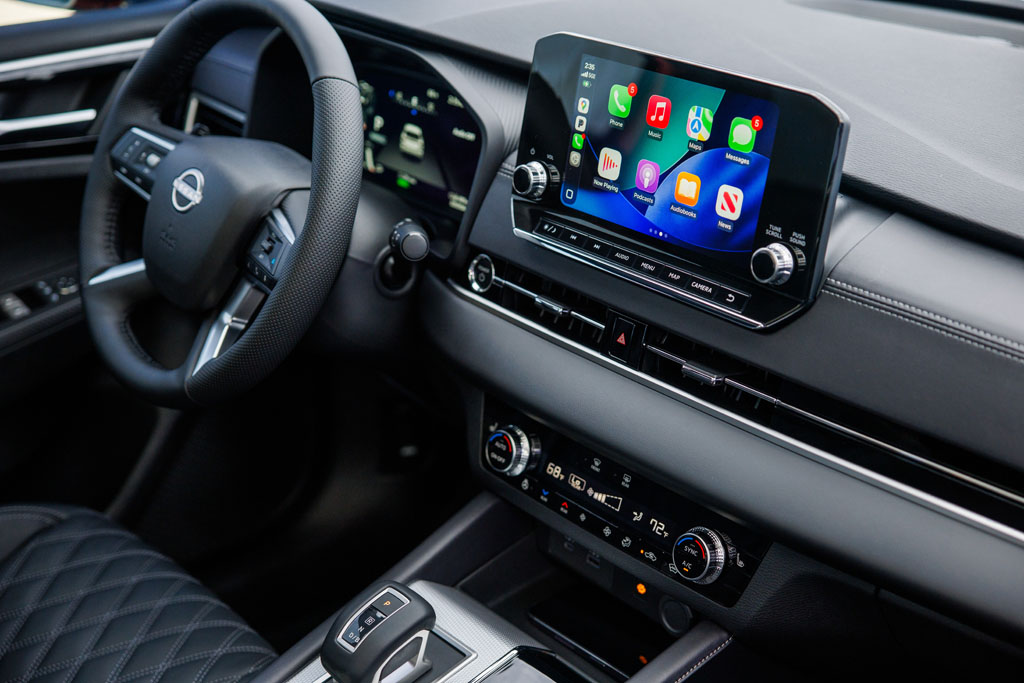
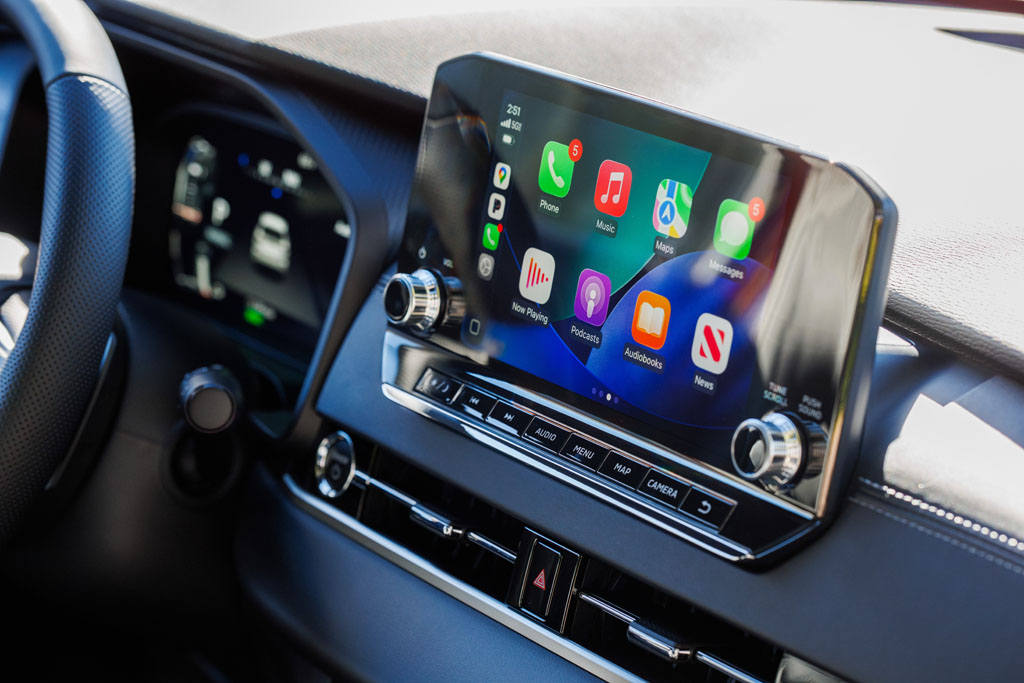
Open the door and the déjà vu continues. The Rogue Plug In Hybrid uses the same basic cabin layout as the Outlander, and specifically the 2025 version, not the refreshed 2026 Mitsubishi with its larger screen and new Yamaha audio setup. That means you get a 9.0 inch central touchscreen instead of the newer 12.3 inch unit, and audio duties on the Platinum trim are handled by a nine speaker Bose system rather than Mitsubishi’s latest hardware.
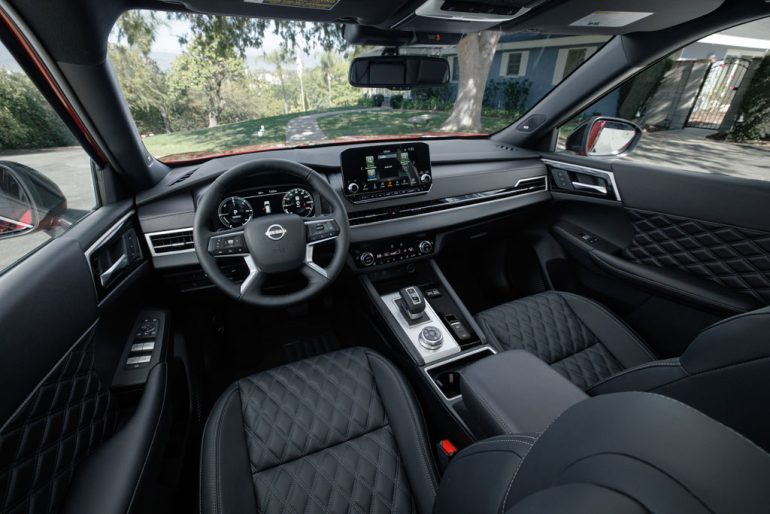
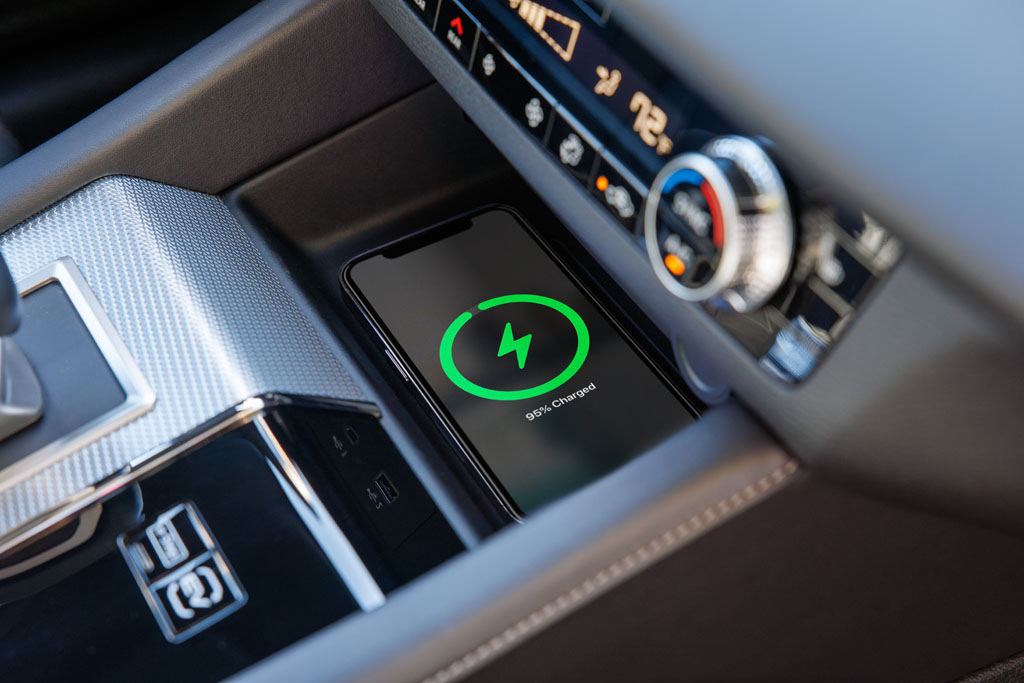
That does not mean the Rogue interior feels outdated, but it does show how quickly tech can move in this segment. On the plus side, a 12.3 inch digital gauge cluster is standard, wireless Apple CarPlay is included, Android Auto comes via a cable, and a wireless charging pad is fitted across the board. Opting for the Platinum brings a 10 inch head up display that projects key information onto the windshield.

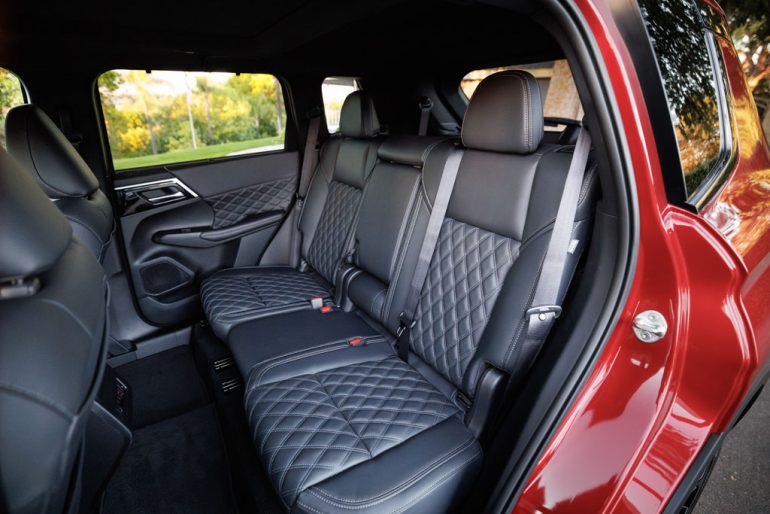
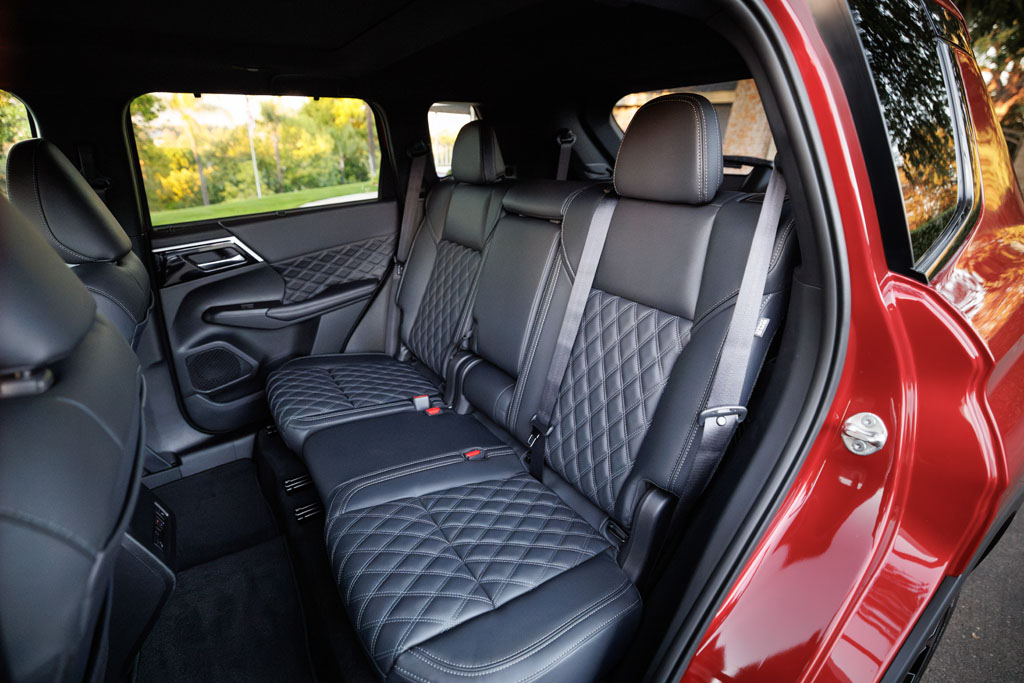
Unlike the regular Rogue, the plug in hybrid version is a three row SUV, again borrowing the Outlander’s layout. Nissan claims seating for seven, though the third row is best kept for kids or short hops. Cargo space lands at 12.8 cubic feet behind the third row and 30.8 cubic feet with that row folded, which is workable but not as generous as some competitors that stick with two rows only. A motion activated power liftgate is standard to make life a little easier when your hands are full.
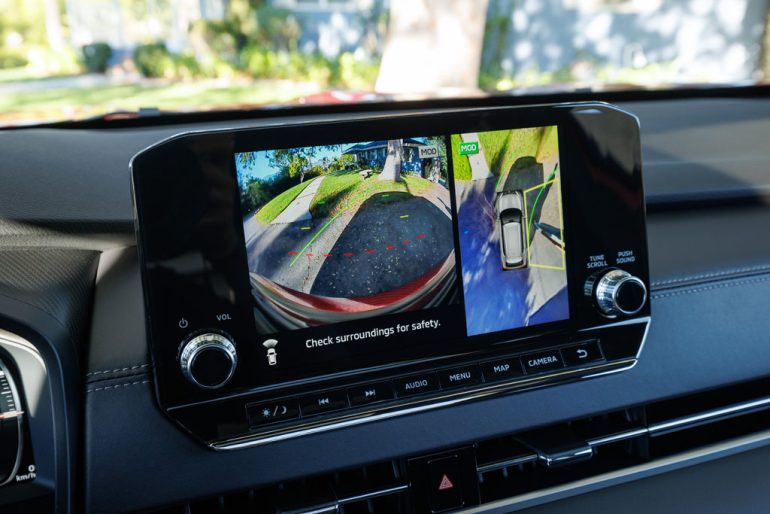
Nissan equips the Rogue Plug In Hybrid with a healthy roster of safety and driver assist tech. Automated emergency braking with pedestrian detection, lane departure warning, blind spot warning, rear cross traffic alert, rear automatic braking, and a 360 degree surround view camera system are all part of the standard package. ProPilot Assist 1.1 is also included, offering hands on lane centering and adaptive cruise control to ease the grind of daily commuting.
One interesting footnote is that nonhybrid Rogue models use a more advanced ProPilot Assist 2.0 setup that supports limited hands free operation on certain roads. That feature does not carry over to the plug in hybrid, which is another reminder that this model is built from Mitsubishi’s playbook first, Nissan’s second.
In the broader plug in hybrid SUV market, the Rogue arrives as a solid but not game changing entry. With 38 miles of EV range and 248 horsepower, it lines up well with vehicles like the Hyundai Tucson PHEV and Kia Sportage PHEV, though it trails the latest RAV4 plug in on pure electric range and charging flexibility. Pricing has not been announced yet, but because Nissan starts the lineup at the better equipped SL trim, most expectations put the base Rogue PHEV somewhere around $49,000, roughly in line with a comparably equipped Outlander PHEV SEL.
That means Nissan will be asking serious money for this crossover, especially once you start ticking Platinum options. Buyers will be cross shopping not just against other compact PHEVs but also against larger two row electrified SUVs and even some entry level luxury models. Incentives and lease deals will play a big role in how attractive the Rogue PHEV looks on a monthly payment sheet.
The 2026 Nissan Rogue Plug In Hybrid feels like a clever, low risk way for Nissan to fill a gap in its lineup quickly. By leaning on the Outlander PHEV platform, the brand gets proven hardware, real electric range, three row flexibility, and a familiar driving experience with relatively little development time. For shoppers who already like the way the Outlander drives but prefer Nissan’s styling, dealership network, or brand image, this might be exactly the right blend.
At the same time, it is hard to shake the sense that this is a temporary solution. Rivals are already rolling out plug in hybrids with longer electric range, faster charging, and fresher infotainment tech. Nissan itself has a next generation Rogue on the horizon for around 2027, and you have to imagine a truly ground up electrified version will follow.
If you want a capable, efficient compact SUV that spends most of your weekday life running on electricity but still has road trip range and the familiarity of a gas engine, the Rogue Plug In Hybrid should deliver. Just know that behind the sharp new grille, you are effectively buying one of the most well known plug in hybrids in the segment, wearing a different jersey and waiting for the next big thing to arrive.






Mike Floyd is a finance executive by trade and a car enthusiast at heart. As a CFO with a keen eye for detail and strategy, Mike brings his analytical mindset to the automotive world, uncovering fresh insights and unique perspectives that go beyond the surface. His passion for cars—especially his favorite, the Porsche 911, fuels his contributions to Automotive Addicts, where he blends a love for performance and design with his professional precision. Whether he’s breaking down industry trends or spotlighting emerging innovations, Mike helps keep the site both sharp and forward-thinking.