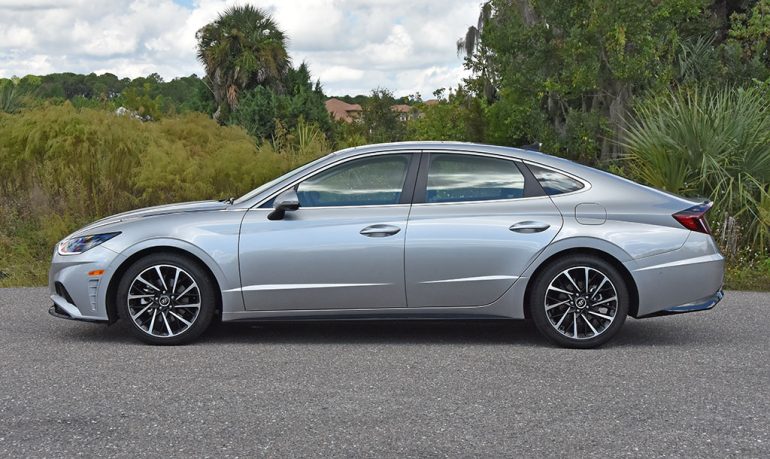
Hyundai is recalling 85,043 Sonata sedans because their fuel tanks can actually deform and, in extreme cases, melt if things go wrong under the car. The recall covers 2020 through 2023 Sonata models equipped with the nonhybrid 1.6 liter turbocharged four cylinder, while hybrid Sonatas with the 2.0 liter turbo powertrain are not included. At the center of the problem is a faulty purge control check valve that can allow compressed air to pressurize the fuel tank. If the tank swells enough, it can push into nearby exhaust components, which brings serious fire risk into play.
The symptoms are not subtle if you know what to listen and look for. Hyundai and federal safety regulators say affected owners may hear a pop from the rear of the car as the tank distorts, smell fuel around the vehicle, see a warning light come on, or even experience a no start condition if the system is unhappy enough. So far, Hyundai has logged seven fuel tank leak incidents in the U.S. and Canada tied to this defect, but thankfully there have been no crashes, injuries, or fires reported.
If this sounds familiar, it should. As we recently covered, Kia has issued a nearly identical recall for more than 250,000 K5 sedans for the same purge control system check valve defect, which can cause those cars’ tanks to swell and melt as well. The Hyundai Sonata and Kia K5 ride on the same underlying N3 platform and share the 1.6 liter turbocharged engine, so it is not surprising to see both sedans pulled back for the same fix. Together, the two recalls sweep up more than 335,000 cars that could be at risk if the issue is ignored.
For Sonata owners, the next steps are straightforward. Hyundai will begin notifying owners by mail starting January 16, 2026, instructing them to schedule a visit with a dealership. Technicians will inspect the purge control check valve and replace it with an updated part if needed, check the fuel tank and surrounding components for damage and repair or replace them, and update the engine control unit software so it can better monitor tank pressure in the future. All of this will be performed at no cost to owners, and Hyundai will reimburse those who already paid out of pocket for similar repairs. If you are unsure whether your car is affected, you can plug your VIN into the recall lookup tool on the NHTSA website or contact your local Hyundai dealer for confirmation.

Lloyd Tobias is a seasoned automotive journalist and passionate enthusiast with over 15 years of experience immersed in the world of cars. Whether it’s exploring the latest advancements in automotive technology or keeping a close pulse on breaking industry news, Lloyd brings a sharp perspective and a deep appreciation for all things automotive. His writing blends technical insight with real-world enthusiasm, making his contributions both informative and engaging for readers who share his love for the drive. When he’s not behind the keyboard or under the hood, Lloyd enjoys test driving the newest models and staying ahead of the curve in an ever-evolving automotive landscape.