
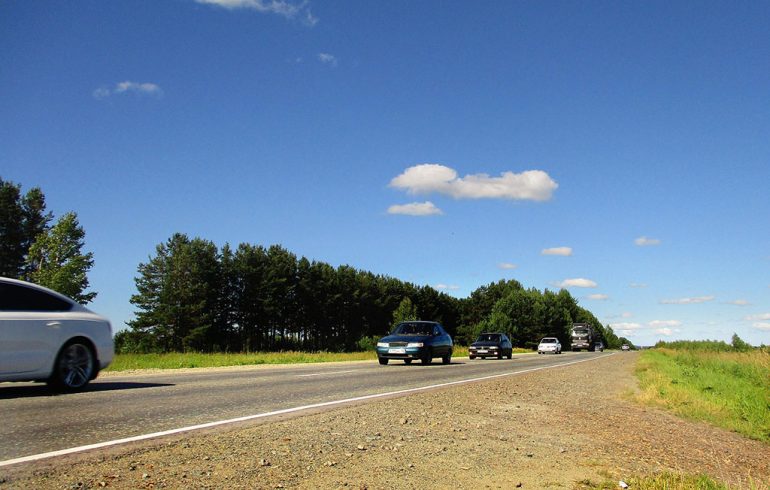
Driving through the desert during the summer months feels like sitting inside a convection oven with the broiler turned on high. The intense sunlight doesn’t just make the cabin uncomfortable, it can actually damage the upholstery and create a blinding glare that makes it hard to navigate. Most residents view a dark shade on their glass as a basic necessity for survival rather than just a cosmetic choice.
There is a constant tension between the desire for total privacy and the regulations set by the state to keep the roads safe. Many motorists assume that as long as they can see out, the level of darkness shouldn’t matter to anyone else on the road. However, the authorities have a very different perspective on how much light needs to pass through the vehicle’s windows at all times.
It is easy to get carried away with an aesthetic upgrade only to realize you have crossed a legal line that invites unwanted attention. Researching the specific details of window tint laws in Arizona is the only way to stay cool without becoming a target for a traffic stop. Navigating these limits before you visit a shop will save you from expensive tickets and the hassle of removing a fresh installation.
The technical term for how much light gets through your window is Visible Light Transmission, or VLT. This percentage indicates how much of the exterior light actually makes it into the cabin of the car. A higher percentage means a lighter tint, while a lower number indicates a film that is much more opaque and difficult to see through.
For the front side windows, the state maintains a very specific standard that drivers must follow to avoid being pulled over by patrol cars. The law requires that at least thirty-three percent of the light passes through these specific panes of glass. This ensures that the driver remains somewhat visible to other motorists and law enforcement officers while they are operating the vehicle.
The rules are significantly more relaxed when it comes to the rear side windows and the back windshield of the car. In these areas, you can go as dark as you want to protect your passengers or cargo from the scorching heat. Having this flexibility allows for a cooler cabin while still maintaining the visibility required for the person sitting behind the steering wheel.
The front windshield is the most regulated part of any vehicle because it is the primary window for seeing the world. You are generally not allowed to place any film over the main portion of the glass that could distort your view of traffic. There is, however, a small area at the top of the pane where some shade is permitted.
This area is defined by the AS-1 line, which is a small marking typically found on the edges of the glass. You can apply a non-reflective tint above this line to help block the setting sun from hitting your eyes directly. If that strip extends too far down, it becomes a major safety hazard that will almost certainly lead to a roadside encounter.
Using what many call limo tint on the front side windows or the main windshield is considered a primary offense in most jurisdictions. This means an officer doesn’t need any other reason to pull you over if they notice the glass is too dark. Keeping that front view clear is a non-negotiable part of staying in compliance with the local transportation codes.
Police officers are trained to spot illegal equipment from a significant distance even when a car is moving through a busy intersection. They don’t need a specialized meter to initiate a stop if the glass looks suspiciously dark to the naked eye. A simple visual estimate of the opacity is enough to create the probable cause needed for a legal detention.
Once you are on the side of the road, the officer will likely use a handheld device to measure the exact light transmission. This tool slides over the edge of the window and provides a digital readout that acts as definitive evidence of a violation. There is very little room for debate once the machine shows a number that is below the legal limit.
What starts as a quick check for window film can often lead to a more invasive search if the officer smells something or sees something inside. Dark windows create a sense of mystery that can make law enforcement much more cautious during their approach to the driver door. Avoiding that initial curiosity is the best way to keep your commute as boring and predictable as possible.
The primary reason for these strict regulations is the safety of the men and women in uniform who perform traffic stops. If an officer cannot see the hands or the movements of the occupants inside a vehicle, they are at a massive disadvantage. Clearer windows allow for a safer interaction where everyone’s intentions are visible from the very beginning of the encounter.
Driver visibility at night is another critical factor that legislators consider when they draft these specific codes for the road. Film that looks great during a sunny afternoon can become a dangerous barrier to sight once the sun goes down in the desert. Darker shades make it much harder to spot pedestrians or cyclists who might be crossing a poorly lit street.
While privacy and solar protection are important, they shouldn’t come at the cost of the physical safety of other people. Striking a balance between a comfortable cabin and a clear view of the environment is the responsibility of every owner. Following the law ensures that your vehicle doesn’t become a liability during a high-stakes moment in the middle of a busy night.
Ignoring the tint regulations can lead to a cycle of fines and mandatory court appearances that quickly drain your wallet and your time. A fix-it ticket might seem like a minor annoyance, but the cost of removing the professional film and paying the fine adds up fast. It is a frustrating expense that could have been easily avoided with a little bit of research.
There is also the matter of civil liability if you are involved in a collision while driving a vehicle with illegal window shade. The opposing legal team will argue that your obscured vision was the primary cause of the impact, regardless of who was at fault. This can make it much harder to win a case or protect your insurance rates after a major incident.
Ultimately, the best way to enjoy the benefits of solar protection is to stay strictly within the legal spectrum of darkness. You can still block out a significant amount of heat without turning your car into a magnet for every patrol car in the area. Keeping things legal ensures that you can focus on the drive rather than looking over your shoulder for flashing lights.

Automotive Addicts Contributors are a collective of guest writers, industry professionals, and passionate enthusiasts who bring fresh perspectives to the Automotive Addicts platform. Focused on delivering timely news, in-depth reviews, and unique insights, these contributors help keep the site dynamic and engaging. Many use the platform to expand their reach and build credibility within the automotive media world, adding depth and variety to the content that drives the Automotive Addicts community.


