
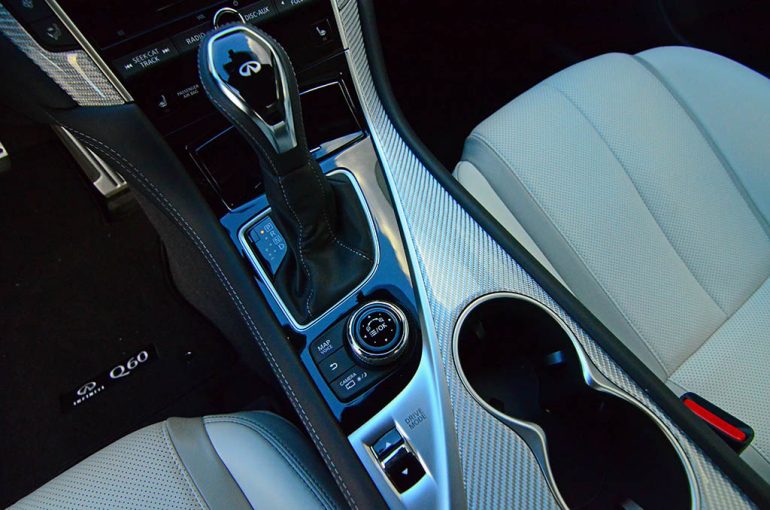
A widespread belief persists among vehicle owners that automatic transmissions require little to no maintenance throughout their service life. Marketing claims about sealed systems and lifetime fluids reinforce this misconception, leading many drivers to neglect crucial preventive care. The reality contradicts these assumptions entirely, as automatic transmissions require more frequent attention than manual transmissions.
Understanding the mechanical differences between transmission types reveals why automatics consume more resources and require vigilant maintenance. The complexity of hydraulic systems, heat generation, and fluid dependency creates maintenance demands that exceed those of simpler manual designs. Regular automatic transmission fluid change schedules and related services protect against expensive failures that can cost thousands of dollars to repair.
Manual transmissions allow drivers to select gears directly through mechanical linkages and synchronizers. A clutch pedal manages power transfer between the engine and transmission, with the driver controlling engagement and disengagement. The internal mechanisms rely primarily on gears, shafts, and bearings, creating a relatively straightforward mechanical system.
Automatic transmissions replace the clutch with a torque converter, using a fluid coupling to transfer power from the engine. Planetary gear sets replace the sliding gears found in manual designs. Hydraulic pressure controls gear selection through valve bodies containing numerous passages and solenoids. Electronic control modules process sensor data and command precise hydraulic functions. Multiple clutch packs engage and release to achieve different gear ratios.
The complexity gap between these designs becomes apparent when counting components. Automatic transmissions contain hundreds more parts than manual versions, each requiring precise manufacturing tolerances and proper lubrication. This increased complexity creates more potential failure points and greater sensitivity to maintenance neglect.
Torque converters generate substantial heat during their fluid-coupling operation. The device allows some slippage between the engine and transmission input, converting this energy differential into thermal output. Fluid circulates continuously through the converter, absorbing heat that must be managed to prevent damage.
Hydraulic systems throughout automatic transmissions create additional thermal loads. Pressurized fluid flows through narrow passages, and friction from clutch-pack engagement generates heat. The valve body directs fluid constantly, with every shift and pressure adjustment contributing tothe temperature rise. This continuous operation means automatic transmissions run significantly hotter than manual alternatives.
Elevated temperatures accelerate chemical breakdown of transmission fluid. The molecular structure degrades, reducing viscosity and lubricating properties. Additives that provide essential functions deplete more rapidly in high-heat environments. Varnish and sludge form as the fluid oxidizes, potentially clogging passages and restricting flow. These thermal stresses explain why automatic transmission fluid cannot maintain its properties indefinitely despite manufacturer claims.
Most automatic transmissions incorporate dedicated cooling systems to manage heat. External coolers or heat exchangers integrated with engine radiators help regulate fluid temperature. When cooling systems fail or become restricted, transmission temperatures spike rapidly. This thermal runaway can destroy an automatic transmission in minutes, whereas manual transmissions rarely face such catastrophic heat-related failures.
Manual transmission fluid serves primarily as a lubricant. The formulation remains relatively simple, with basic additives to prevent wear and protect against rust. This fluid operates under lower stress and maintains its properties longer, often allowing service intervals of 30,000 to 60,000 miles or more.
Automatic transmission fluid must fulfill multiple demanding roles simultaneously. The fluid functions as a hydraulic medium, transmitting pressure throughout the valve body and actuating clutches. Friction modifiers ensure smooth clutch engagement without harshness or shudder. Detergents and dispersants prevent varnish formation and keep contaminants suspended. Anti-wear compounds protect gears and bearings. Seal conditioners maintain gasket pliability and prevent leaks.
These complex additive packages operate under harsh conditions. High temperatures break down molecular bonds. Shear stress from pumping through tight clearances degrades long-chain polymers. Contamination from clutch material wear introduces abrasive particles. Oxidation processes consume antioxidants and create acidic compounds. Moisture infiltration through seals and breathers promotes rust and further accelerates degradation.
The combination of these factors limits the lifespan of automatic transmission fluid to 30,000 to 60,000 miles under normal conditions. Severe service environments, such as frequent towing, stop-and-go traffic, or extreme temperatures, can halve these intervals. Manufacturers who claim lifetime fluid fill their transmissions with premium formulations but define “lifetime” as the warranty period rather than the vehicle’s actual longevity. Owners who believe these marketing statements discover the truth when transmissions fail prematurely after one hundred thousand miles.
Automotive manufacturers began promoting sealed automatic transmissions and lifetime fluid in recent decades. Marketing emphasized convenience and reduced ownership costs, appealing to consumers who preferred minimal maintenance involvement. The sealed designation suggested these transmissions required no service attention throughout their operational life.
Reality tells a different story. No transmission fluid maintains its properties for a vehicle’s entire lifespan under real-world conditions. The severe service definitions in owner’s manuals encompass driving patterns that most vehicles experience regularly. Stop-and-go commuting, trailer towing, and operation in extreme temperatures all qualify as severe service, requiring more frequent maintenance.
Manufacturer service recommendations often vary by region and market. Vehicles sold in some countries receive explicit fluid change intervals while identical models elsewhere carry lifetime fluid claims. This discrepancy reveals that lifetime designations serve marketing purposes rather than reflecting genuine engineering capabilities.
Believing the maintenance-free myth leads to predictable consequences. Transmissions operating on degraded fluid experience accelerated wear. Varnish deposits restrict hydraulic passages, causing erratic shifting and pressure problems. Worn clutch material further contaminates the fluid, creating a cascade of deterioration. Eventually, the transmission fails catastrophically, requiring rebuilding or replacement at a cost of two thousand to six thousand dollars or more. Regular fluid changes costing a few hundred dollars every 30 to 50,000 miles prevent these expensive failures entirely.
Manual transmissions concentrate wear primarily on the clutch assembly, which sits outside the transmission housing as a separate component. Internal wear affects synchronizers, bearings, and gear teeth gradually over extended mileage. Shift linkage components may require occasional adjustment or replacement. These wear patterns progress slowly, providing ample warning before complete failure occurs.
Automatic transmissions distribute wear across numerous internal components. Multiple clutch packs engage and release thousands of times during normal driving. Bands squeeze around drums to hold gears stationary. Torque converters experience continuous slippage and heat cycles. Valve bodies contain springs, check balls, and passages that wear from constant fluid flow. Seals and gaskets harden and leak as they age. Pumps develop internal clearance that reduces pressure. Solenoids fail from electrical or mechanical fatigue.
Fresh fluid dramatically extends component lifespan by maintaining proper lubrication and hydraulic function. Clean fluid flows freely through passages, ensuring precise pressure control. Adequate friction modifiers prevent clutch glazing and chatter. Effective detergents prevent varnish accumulation on critical surfaces. When fluid degrades, every component suffers accelerated wear simultaneously.
Failure patterns differ significantly between transmission types. Manual transmissions typically exhibit gradual degradation, with noticeable symptoms such as grinding gears or difficult shifting. Drivers receive considerable warning before complete failure. Automatic transmissions can fail suddenly with little advance notice. A transmission that operates normally one day may refuse to engage gears the next, due to internal clutch failure or a valve body malfunction. This potential for catastrophic failure makes preventive maintenance even more critical for automatic designs.
Manual transmission maintenance costs remain modest over vehicle ownership. Fluid changes occur infrequently and use less expensive lubricants. The major service item is clutch replacement, typically needed once or twice during a vehicle’s lifetime, at costs ranging from $500 to $1,500, depending on the vehicle. Total maintenance expenses over ten years might reach one thousand to two thousand dollars.
Automatic transmission maintenance requires more frequent fluid and filter changes. Each service costs between 150 and 300 dollars, depending on fluid capacity and filter accessibility. Performing this maintenance every 40,000 miles results in 4 or 5 services over 200,000 miles of operation. Total preventive maintenance investment reaches six hundred to fifteen hundred dollars or more over the same period.
Repair costs reveal the true value of preventive maintenance. Manual transmission rebuilds or replacements cost $1,500 to $3,500. Automatic transmission rebuilds range from $2,500 to $6,000 or more, with some luxury and performance vehicles exceeding $8,000. The labor intensity and parts complexity of automatic transmissions significantly inflate these costs above those of manual alternatives.
The economics favor consistent maintenance overwhelmingly. Spending one thousand dollars on scheduled fluid changes over a vehicle’s lifetime prevents a four-thousand-dollar transmission replacement. Every dollar invested in prevention returns four to six dollars in avoided repair costs. This return on investment exceeds virtually any other automotive maintenance service while providing the peace of mind that comes with reliable transportation.

Automotive Addicts Contributors are a collective of guest writers, industry professionals, and passionate enthusiasts who bring fresh perspectives to the Automotive Addicts platform. Focused on delivering timely news, in-depth reviews, and unique insights, these contributors help keep the site dynamic and engaging. Many use the platform to expand their reach and build credibility within the automotive media world, adding depth and variety to the content that drives the Automotive Addicts community.


