Three-row SUVs are one of the most heavily negotiated vehicle categories on any dealer lot, and the 2026 Chevrolet Traverse is no exception. Families cross-shopping this segment are usually comparing the Traverse against the Honda Pilot, Hyundai Palisade, and Kia Telluride, all vehicles with sticker prices that leave real room to negotiate once you know what the dealer actually paid. The 2026 Traverse simplified its lineup down to four trims this year, all powered by the same 328-horsepower turbocharged engine, which makes comparing real value across the range more straightforward than it’s been in past model years. This guide walks through what Chevrolet dealers pay for each 2026 Traverse trim, what seating and towing capability you’re actually paying for at each price point, current incentives worth asking about, and how to get competing local dealer quotes before you ever negotiate face to face.
The 2026 Traverse starts at $40,800 for the front-wheel-drive LT and climbs through the Z71 at approximately $48,900, with the High Country and RS trims rounding out the top of the range at roughly $55,100 and $55,400 respectively, all before the $1,995 destination charge. Every trim shares the same 2.5-liter turbocharged four-cylinder engine producing 328 horsepower and 326 lb-ft of torque paired with an eight-speed automatic transmission, which means the price difference between trims comes down entirely to equipment, drivetrain, and styling rather than performance. Front-wheel drive is standard on the LT and High Country, while the Z71 comes with Chevrolet’s advanced twin-clutch all-wheel-drive system included at no extra charge given its off-road positioning.
The Traverse competes directly against the Honda Pilot, Hyundai Palisade, Kia Telluride, and Volkswagen Atlas, and shoppers comparing all four are typically doing so because they need genuine three-row practicality rather than the smaller cargo and passenger space of a two-row SUV. Chevrolet dealers know this cross-shopping happens constantly, which is exactly why arriving with real pricing data changes how the conversation goes. That’s where our Insider Access to Dealer Pricing tool comes in, giving you actual competing quotes from local dealers before you commit to a single showroom visit.
The invoice price represents what a Chevrolet dealer actually paid General Motors for the vehicle sitting on their lot, and it sits below the MSRP printed on the window sticker by a meaningful margin. On the 2026 Traverse, that gap typically runs from approximately $1,500 on the LT up to $2,500 or more on the High Country and RS trims, where higher equipment levels widen the dollar spread between invoice and sticker considerably. This invoice figure is the number that should anchor your opening offer, not the MSRP, since the MSRP already has the dealer’s full intended profit margin baked into it.
Chevrolet dealer holdback adds yet another layer of margin that most buyers never factor into their negotiating math. GM pays dealers back roughly 2 to 3 percent of base MSRP after a vehicle sells, meaning a $48,900 Z71 carries somewhere around $980 to $1,470 in additional dealer margin sitting beneath the invoice price itself. Stack the invoice gap and the holdback together, and a dealer can frequently sell at or near invoice and still walk away with solid profit. Buyers who understand this consistently negotiate stronger outcomes than those who anchor their thinking to the sticker price alone, because they’re negotiating against the dealer’s real cost rather than an inflated starting point designed to make any discount feel generous.
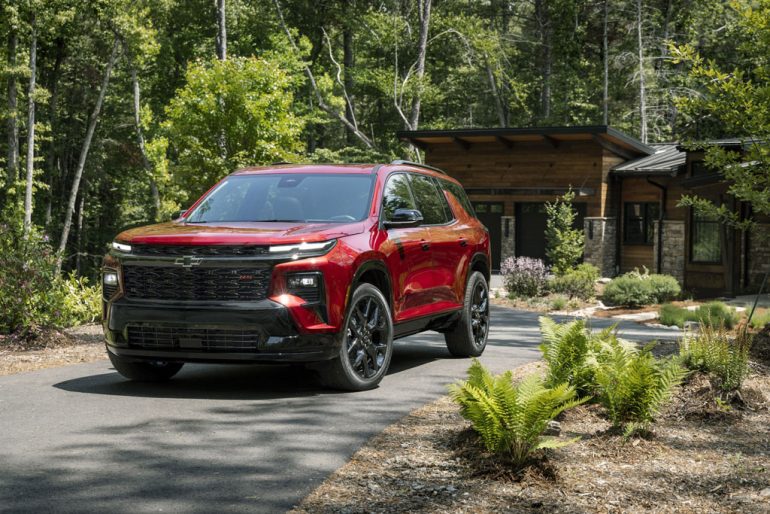
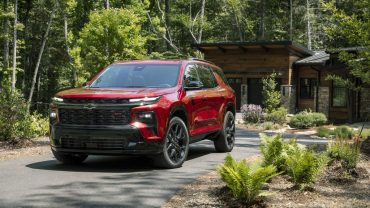
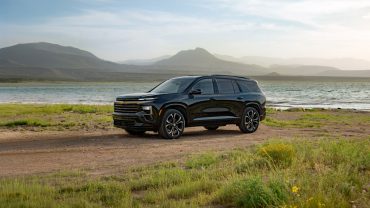
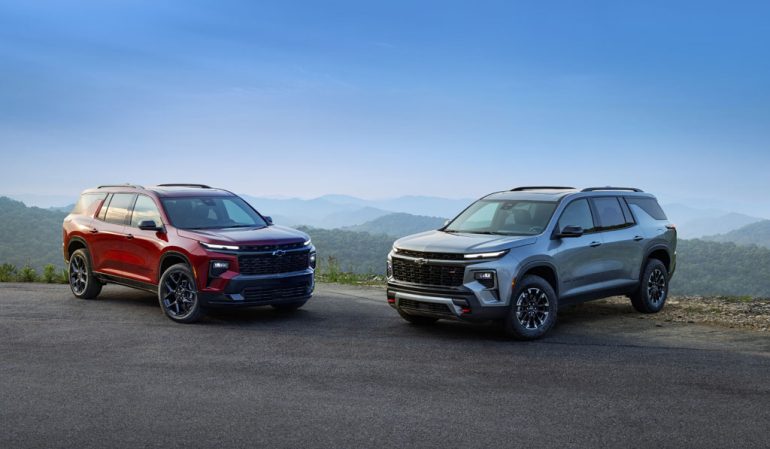
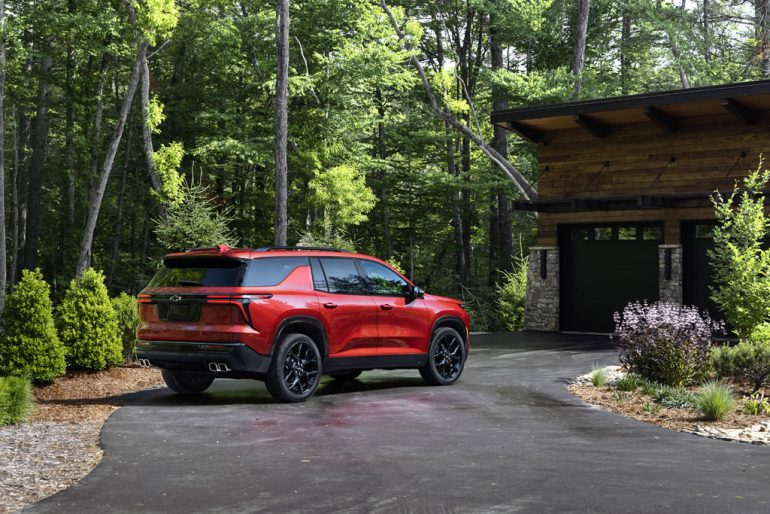
Chevrolet streamlined the Traverse lineup for 2026 into four distinct trims, each built around a clear buyer profile rather than simply stacking features incrementally.
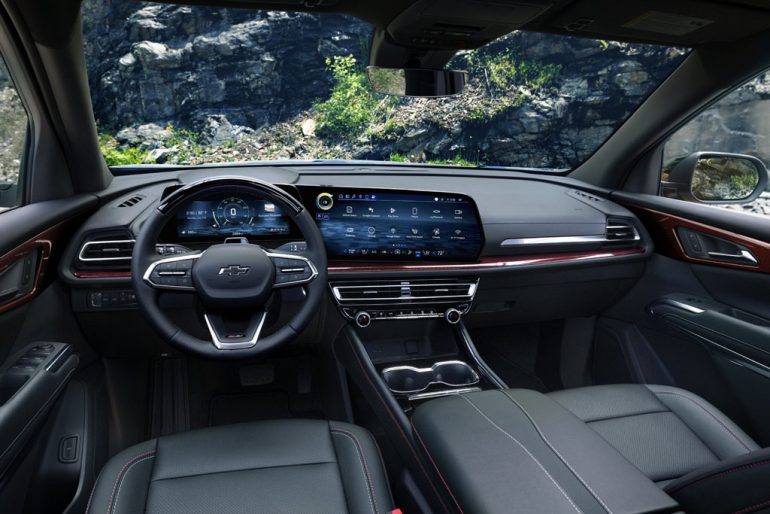
LT (starting around $40,800) is the value-focused entry point and comes far better equipped than budget trims typically are in this segment. Standard features include a 17.7-inch diagonal touchscreen, Smart Slide second-row seats for easier third-row access, an AutoSense power liftgate, premium cloth seating, LED headlamps, and the full Chevy Safety Assist suite of driver-assist technology. The LT is also the only trim offering an optional eight-passenger configuration through a second-row bench seat, making it the practical choice for larger families who need every available seat.
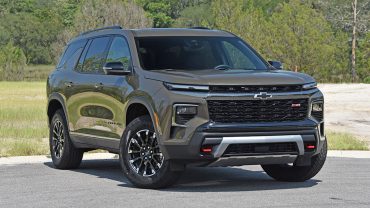
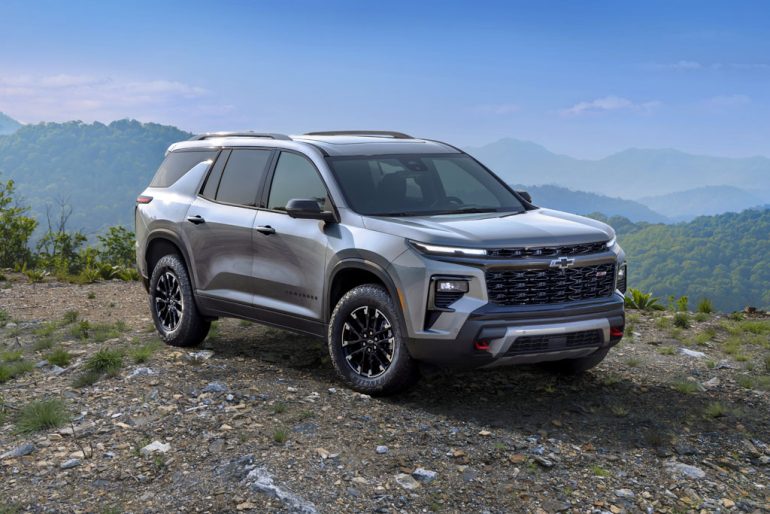
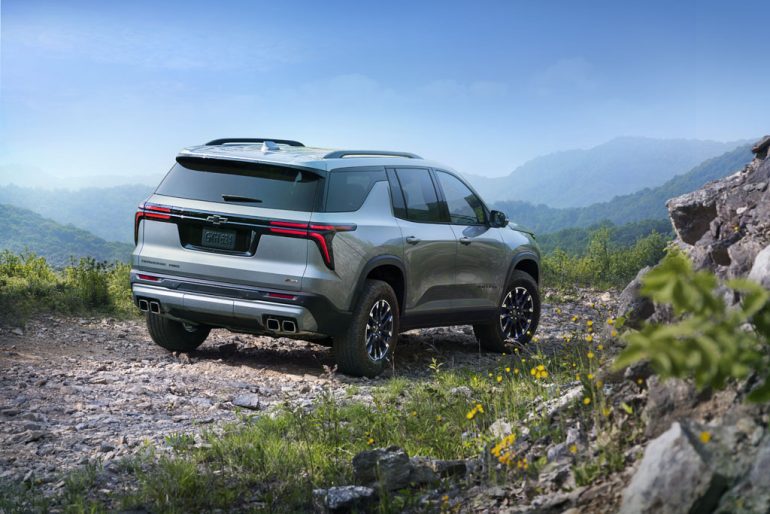
Z71 (starting around $48,900) shifts the Traverse toward genuine off-pavement capability with standard all-wheel drive through Chevrolet’s advanced twin-clutch system, along with Terrain Mode, Hill Descent Control, an off-road-tuned suspension, underbody skid plates, and all-terrain tires. It carries Z71-specific exterior styling and badging to visually separate it from the rest of the lineup. Edmunds’ testing noted the Z71’s ride quality suffers somewhat from the off-road suspension tuning, so buyers who want the rugged look but mostly drive on pavement should weigh that tradeoff carefully against the High Country or RS.
High Country (starting around $55,100) moves the Traverse into luxury territory with perforated leather-appointed seating, a three-year OnStar Super Cruise plan for hands-free highway driving, one-touch fold second and third-row seats, power-folding rear seats, and 22-inch wheels. This is the trim built for buyers who want maximum comfort and the most advanced driver-assistance technology Chevrolet currently offers on the Traverse.
RS (starting around $55,400) runs nearly identical to the High Country in price and shares several of its premium features, including the Super Cruise plan, but distinguishes itself with a blacked-out exterior theme, dark-finished 20-inch wheels, and a sportier interior treatment. Choosing between High Country and RS at this point in the lineup comes down almost entirely to styling preference rather than any meaningful difference in capability or comfort.
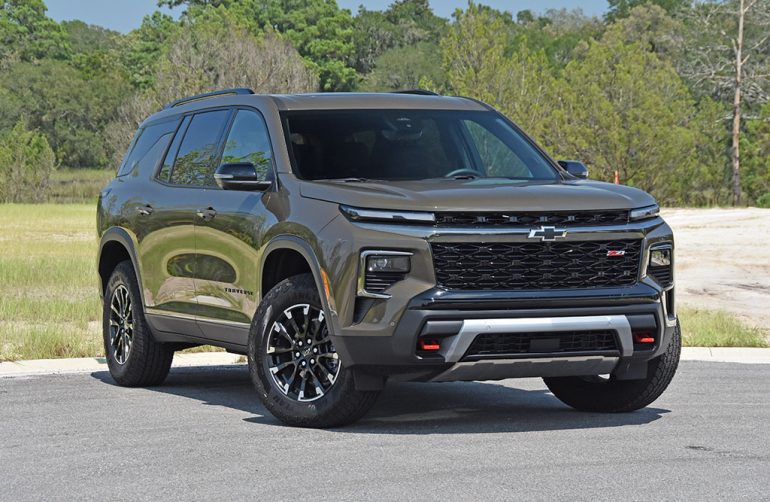
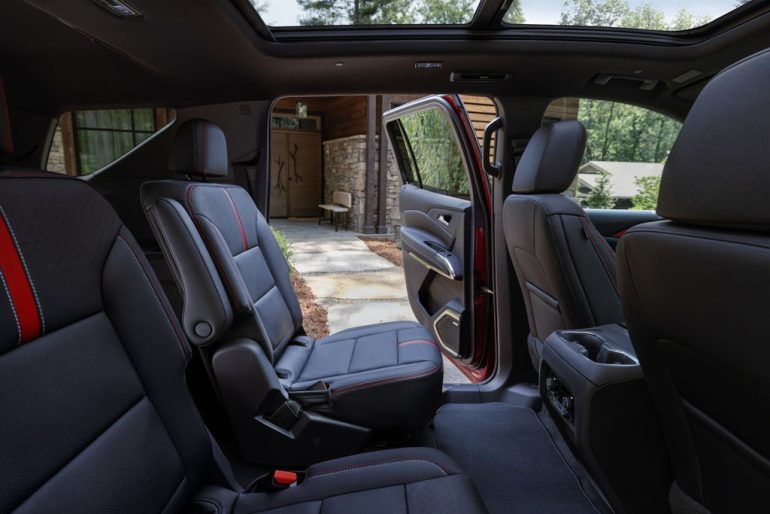
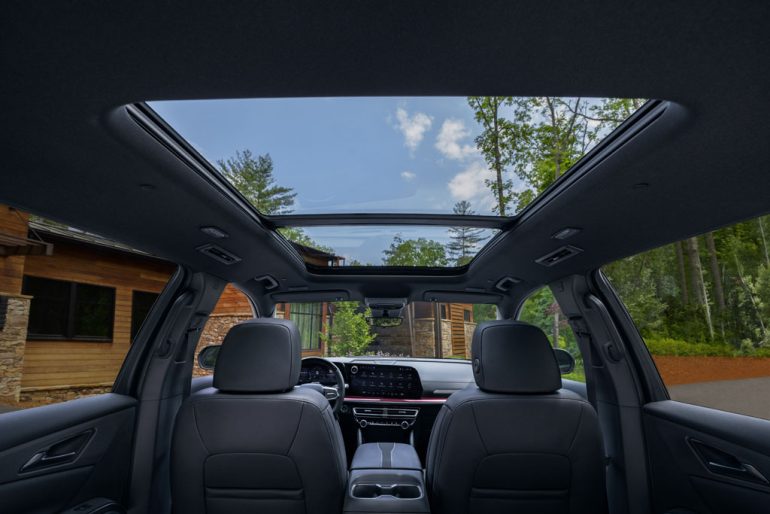
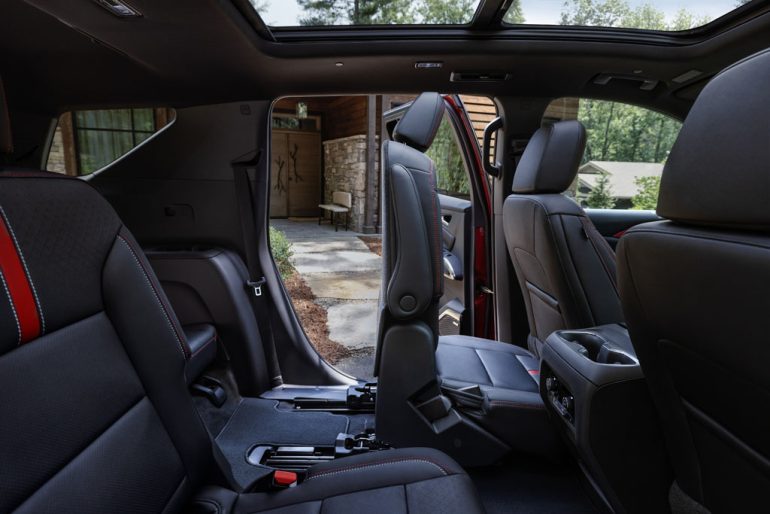
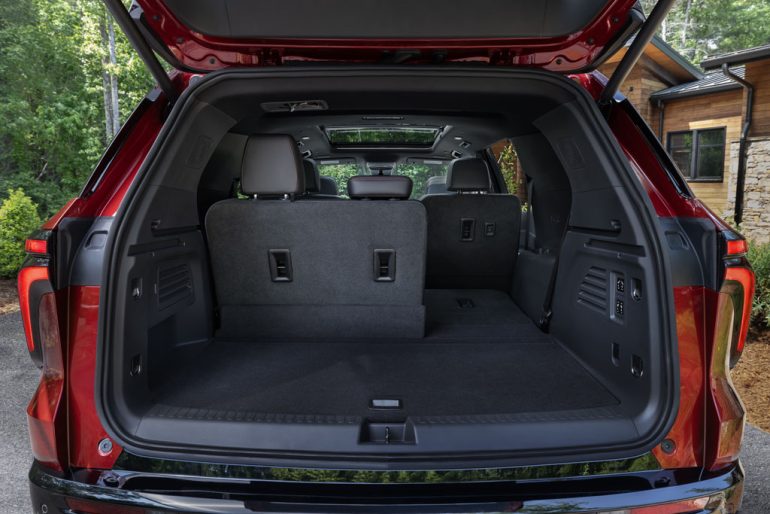
Because the Traverse competes in a segment where families are comparing real-world usability as much as price, it’s worth understanding what changes and what doesn’t as you move up the trim ladder. Every 2026 Traverse seats seven passengers standard through second-row captain’s chairs, with the LT alone offering an optional eight-passenger configuration via a second-row bench. Towing capacity reaches up to 5,000 pounds across the lineup with trailering equipment included on every trim, which is a genuine advantage over some competitors that reserve their strongest towing figures for upper trims only.
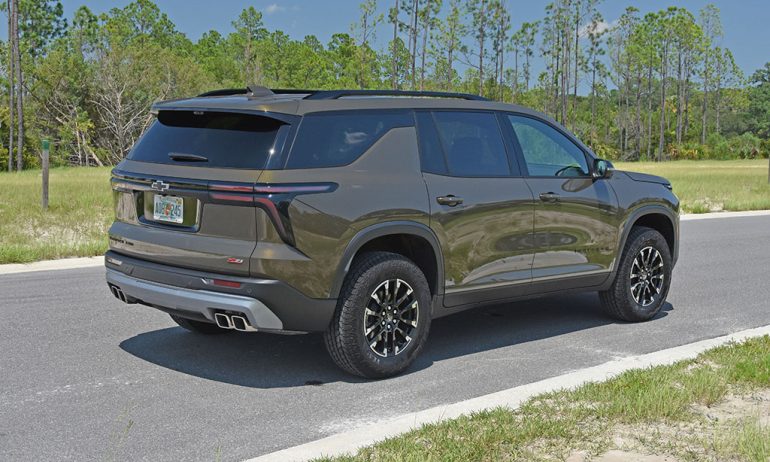
Cargo space behind the third row and behind the second row remains consistent across trims since the body and wheelbase don’t change, so a buyer choosing the LT over the High Country isn’t sacrificing practical hauling capacity, only giving up comfort and technology features. This matters at the negotiating table because it means the LT, by far the least expensive trim, delivers nearly identical real-world utility to the $55,000 trims for families who don’t need leather seating or a 22-inch wheel package. Recognizing where the actual functional differences lie, rather than just the price differences, helps you avoid paying for trim levels that don’t change what the vehicle does for your specific household.
Manufacturer incentives on the Traverse stack on top of whatever price reduction you negotiate below MSRP, and GM Financial regularly offers promotional APR financing for qualified buyers on three-row SUVs given how competitive the segment has become. Conquest cash incentives, aimed at buyers trading in a competing brand’s vehicle, also show up periodically on the Traverse and are worth asking about directly since dealers don’t always volunteer them upfront.
Chevrolet also maintains standing discount programs for military members and veterans, recent college graduates, and first responders including police officers, firefighters, EMTs, and paramedics. These programs layer directly on top of any negotiated dealer discount, and because they’re not advertised prominently, many eligible buyers simply never ask. Getting a real local dealer quote that already factors in negotiated pricing alongside current incentives through our Insider Access to Dealer Pricing tool gives you the clearest possible picture of your actual out-the-door cost before you ever sit down at a dealership.
Based on current invoice benchmarks and typical negotiating outcomes in this segment, here’s a realistic target range across the 2026 Traverse lineup. On the LT, $38,700 to $39,600 reflects a strong outcome in competitive markets. The Z71 should be achievable between $46,500 and $47,600. The High Country, given its premium positioning, typically lands between $52,300 and $53,500 for well-prepared buyers. The RS follows a similar pattern at $52,600 to $53,800. Add the destination charge of $1,995 to any of these figures to estimate your full pre-tax total.
These targets assume you’ve gathered competing quotes from multiple local Chevrolet dealers, negotiated the vehicle price as a completely separate conversation from any trade-in value, and entered discussions already aware of the invoice price rather than discovering it for the first time mid-negotiation. Buyers who follow this approach consistently land at or below these benchmarks.
The most effective way to buy a 2026 Chevrolet Traverse below sticker price is to find out what dealers near you are actually willing to offer before you contact any of them yourself. Click the “Get Prices” button above, select the Traverse trim you’re considering, and you’ll receive real pricing from local Chevrolet dealers competing directly for your purchase, typically within minutes.
There’s no showroom visit required and no obligation to buy. You get genuine competitive offers from dealers in your area, combined with the invoice benchmarks in this guide, which together give you everything needed to negotiate from a position of real knowledge rather than guesswork. Whether the value-focused LT, the trail-capable Z71, the luxury-leaning High Country, or the sportier RS fits your family best, use the pricing tool above before stepping onto any lot. The few minutes it takes can translate into real savings on what is, for most families, one of the largest purchases they’ll make this year.

Darryl Taylor Dowe is a seasoned automotive professional with a proven track record of leading successful ventures and providing strategic consultation across the automotive industry. With years of hands-on experience in both business operations and market development, Darryl has played a key role in helping automotive brands grow and adapt in a rapidly evolving landscape. His insight and leadership have earned him recognition as a trusted expert, and his contributions to Automotive Addicts reflect his deep knowledge and passion for the business side of the car world.