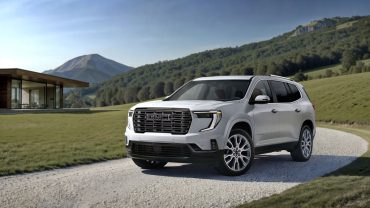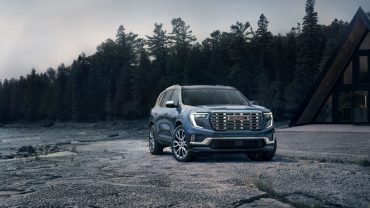
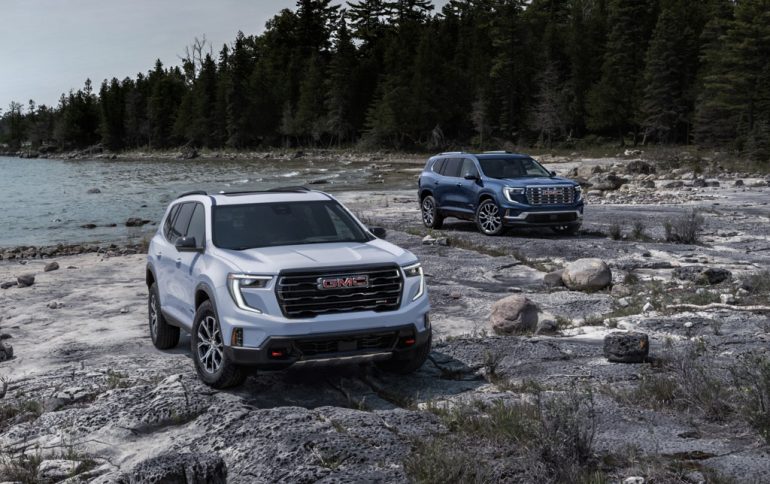
GMC did something unusual with the current-generation Acadia that’s worth understanding before you start comparing trim prices: it split the lineup into two genuinely different vehicles wearing the same nameplate. The Elevation trim is built as a practical, eight-passenger family hauler with the best fuel economy in the range, while the AT4, Denali, and Denali Ultimate trims drop down to seven-passenger seating and chase a completely different buyer, one prioritizing off-road capability or upscale comfort over maximum capacity. On top of that structural split, GMC has raised Acadia pricing more than once this model year, with the most recent adjustment pushing the destination charge to $1,995 and adding $100 to $200 across every trim. This guide breaks down current 2026 Acadia pricing across all four trims, what real invoice math looks like on this particular GMC, current incentives, and how to get real competing dealer quotes before you negotiate.
Following the latest round of price increases, the 2026 Acadia Elevation now starts at $45,795 in front-wheel-drive form, with all-wheel drive adding $2,000 to reach $47,795. The AT4, GMC’s off-road-focused trim and AWD-only, starts at $54,495. The Denali begins at $57,895 for front-wheel drive, and the Denali Ultimate, the range-topping flagship, starts at $62,900. Every trim shares the same 2.5-liter turbocharged four-cylinder engine producing 328 horsepower and 326 lb-ft of torque, paired with an eight-speed automatic transmission, so unlike some competitors that reserve their strongest engine for upper trims, the Acadia’s performance stays consistent regardless of which trim you choose.
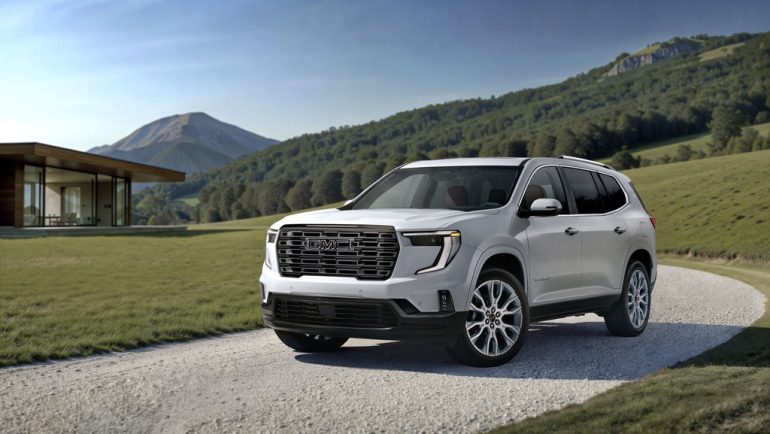
TrueCar’s transaction data shows real buyers currently paying about 4.6 percent below MSRP on the base Elevation, translating into a few thousand dollars of real savings even before invoice pricing and incentives enter the conversation. The Acadia competes against the Honda Pilot, Toyota Highlander, Hyundai Palisade, and its corporate sibling, the Chevrolet Traverse, and after a series of price increases this model year, shoppers comparing the Acadia against these rivals have real incentive to push back at the negotiating table. That’s exactly the leverage our Insider Access to Dealer Pricing tool is built to help you use, putting real local dealer quotes in front of you before you ever set foot on a lot.
The invoice price is what a GMC dealer actually paid General Motors for the vehicle on their lot, and given how many times Acadia pricing has shifted this model year, that invoice figure depends meaningfully on when a specific vehicle was ordered relative to the increases. On the 2026 Acadia, the typical gap between MSRP and dealer invoice runs approximately $1,800 to $2,800 depending on trim, with the widest dollar gap appearing on the Denali and Denali Ultimate, where premium equipment widens the total spread even at a comparable percentage margin.
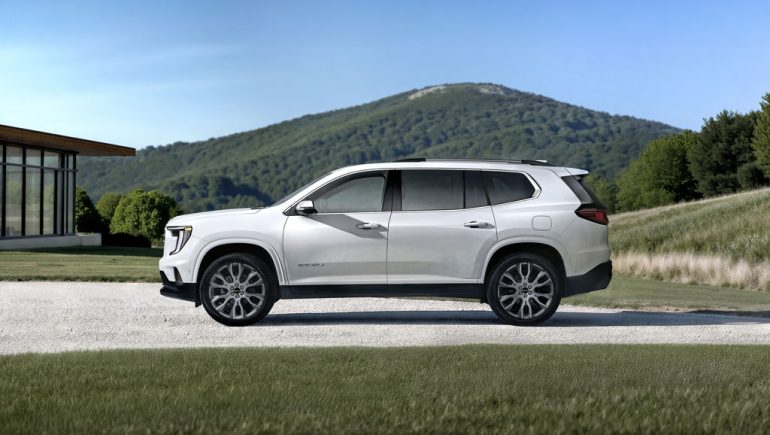
GMC’s dealer holdback adds roughly 2 to 3 percent of base MSRP back to the dealer after a sale closes, which on a $54,495 AT4 represents approximately $1,090 to $1,635 in additional margin sitting beneath the invoice figure entirely. Because the destination charge alone has climbed $600 since the outgoing 2025 model year, on top of separate MSRP increases, dealers holding Acadia inventory ordered earlier in the model year may have meaningfully lower actual acquisition costs than current sticker prices suggest. Asking directly about build date or order date on the specific vehicle you’re considering is a useful negotiating data point, particularly on inventory that’s been sitting on a lot for a while.
Understanding the Acadia means understanding that GMC isn’t building one SUV with four trim levels, it’s building a family hauler and a premium adventure-and-luxury vehicle that happen to share a platform and engine.
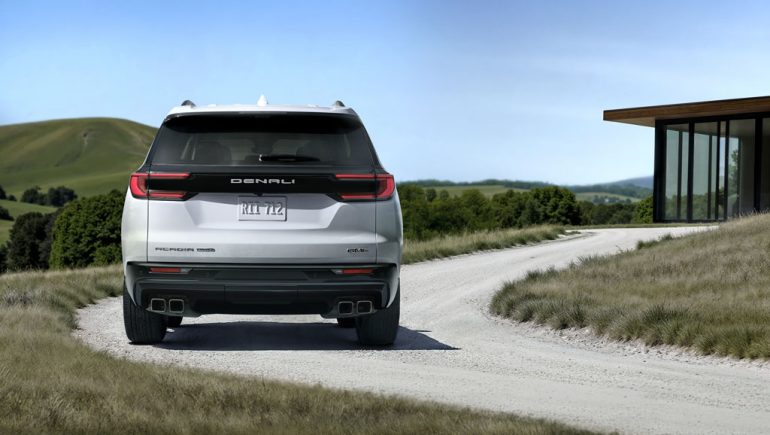
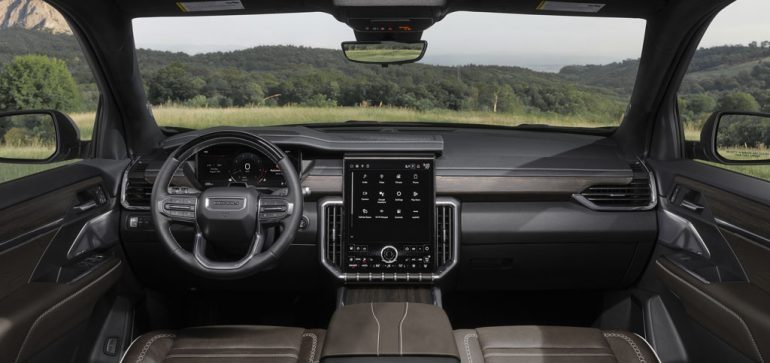
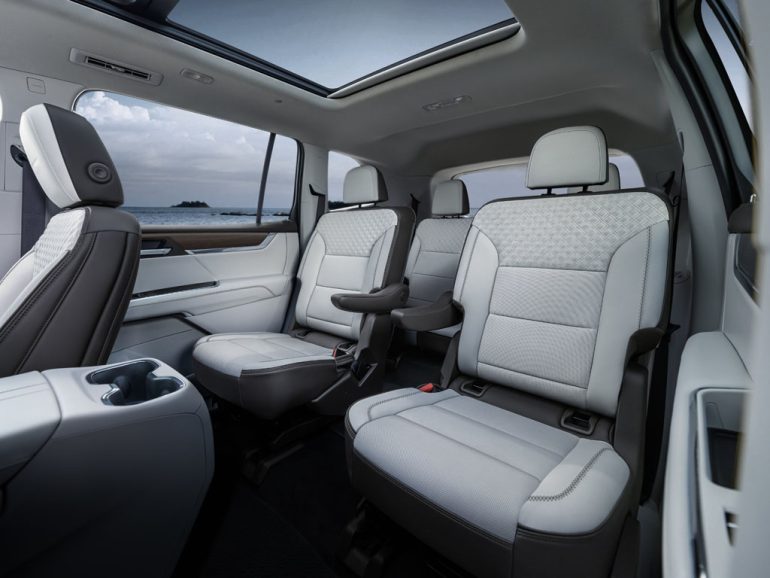
Elevation (starting at $45,795) is the practical choice and the only trim that comes standard with second-row bench seating for a full eight passengers, with captain’s chairs available as an option that drops capacity to seven. It comes well equipped with 18-inch wheels, a 15-inch infotainment display with built-in Google, tri-zone automatic climate control, and standard heated front seats, a heated steering wheel, and heated mirrors, features that are often optional extras at this price point elsewhere. The Elevation also delivers the best fuel economy in the lineup at 20 city, 27 highway, and 23 combined mpg in front-wheel-drive form.
AT4 (starting at $54,495) shifts entirely toward off-road capability, coming standard with GMC’s Active Torque Control all-wheel-drive system, steel underbody skid plates, a lifted ride height with off-road-tuned suspension, all-terrain tires, and an exclusive driver-selectable Terrain Mode. Seating drops to seven passengers via standard second-row captain’s chairs, and fuel economy dips slightly to 19 city, 24 highway, and 21 combined mpg given the added weight and drivetrain hardware. The nearly $9,000 jump from Elevation reflects genuine mechanical capability rather than just styling.
Denali (starting at $57,895) moves the lineup into luxury territory with leather-appointed first and second-row seats, 20-inch wheels with a Pearl Nickel finish, a standard 8-inch configurable head-up display, and heated and ventilated front seats. TrueCar’s own reviewers specifically recommend the Denali as delivering the richest day-to-day experience in the lineup at what they describe as a sane price relative to the Denali Ultimate above it.
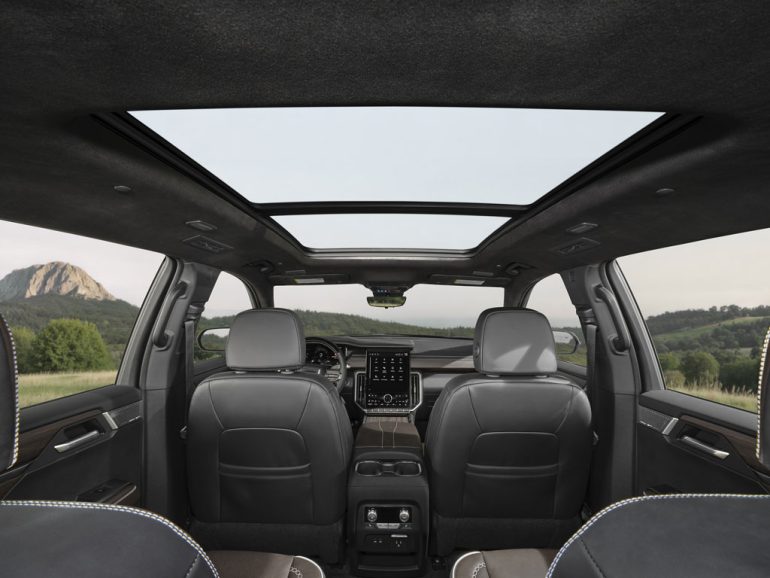
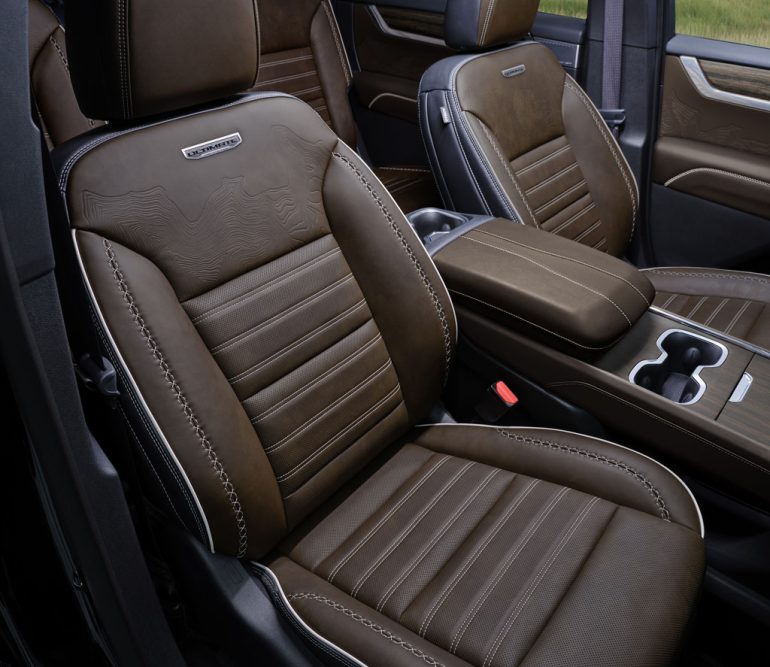
Denali Ultimate (starting at $62,900) tops the range with a 16-speaker Bose premium audio system, an AutoSense power liftgate, heated and ventilated full-leather massaging front seats with unique contrast stitching, Paldao wood trim with topographical map etching, a panoramic sunroof, and performance suspension tuning. It’s also the only trim besides the Elevation offering second-row bench seating for eight passengers, making it the rare combination of flagship luxury and maximum family capacity.
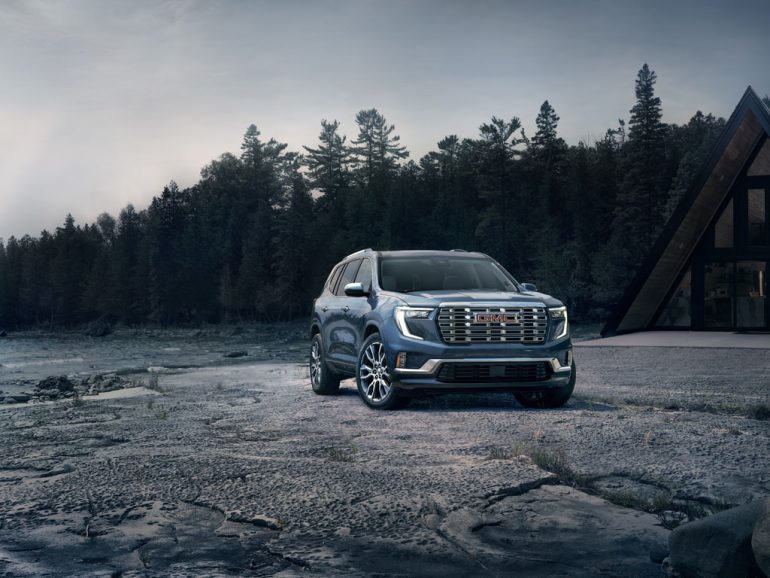
Every 2026 Acadia trim, from the base Elevation to the Denali Ultimate, is rated to tow up to 5,000 pounds with the standard Trailering Package, which means choosing a less expensive trim doesn’t cost you towing capability the way it might on some competing three-row SUVs. Maximum cargo volume reaches an identical 97.5 cubic feet across the lineup with the second and third rows folded, and 23.0 cubic feet behind the third row with all seats in use, regardless of trim.
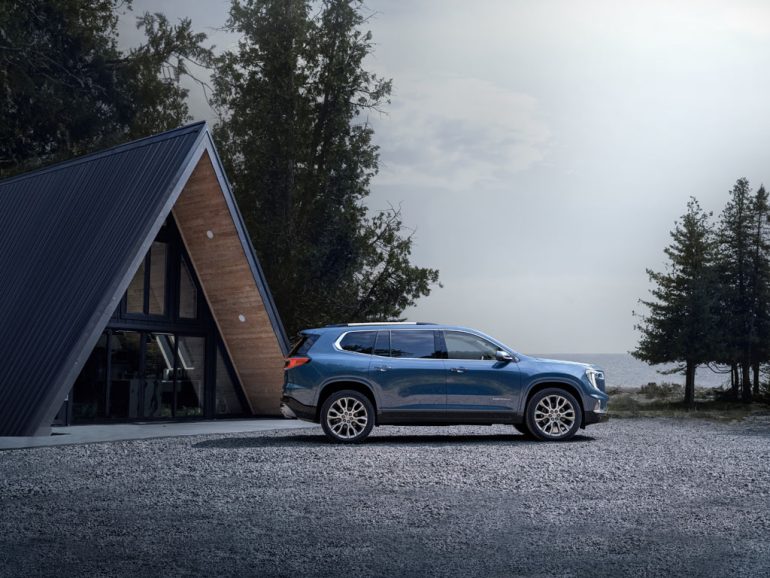
Where trims genuinely diverge is seating configuration rather than raw capability. Only the Elevation and Denali Ultimate offer the second-row bench needed to reach eight-passenger seating, while the AT4 and Denali are built around seven-passenger captain’s-chair configurations that prioritize comfort for individual rear passengers over maximum headcount. This is worth deciding before you start comparing prices, since a buyer who specifically needs eight-passenger capacity has functionally only two trims to choose between, not four, which changes how much real negotiating leverage exists between options.
Manufacturer incentives on the Acadia stack on top of any negotiated price reduction below MSRP, and GM Financial regularly offers promotional APR financing for qualified buyers. Given how many times Acadia pricing has moved this model year, it’s worth asking your dealer directly whether they have inventory built before the most recent increases, since those vehicles may carry a meaningfully lower invoice cost even though they’re priced at current MSRP on the lot.
GMC also maintains military appreciation pricing for active duty and veteran buyers, along with discount programs for first responders including police officers, firefighters, EMTs, and paramedics. These programs stack directly on top of any negotiated dealer discount and aren’t always advertised prominently, so confirming your eligibility directly is worth the few minutes it takes. Getting a real local dealer quote that reflects both negotiated pricing and current incentives through our Insider Access to Dealer Pricing tool gives you the clearest picture of your actual out-the-door cost before visiting a single dealership.
Based on current invoice benchmarks and TrueCar’s transaction data already showing buyers below MSRP, here’s a realistic target range across the 2026 Acadia lineup. On the Elevation FWD, $43,200 to $44,200 reflects a strong outcome, broadly consistent with what TrueCar’s recent transaction data shows real buyers achieving. On the Elevation AWD, target $45,200 to $46,200. On the AT4, $51,500 to $52,800 is achievable with competing quotes in hand. On the Denali, target $54,800 to $56,200. On the Denali Ultimate, a competitive price typically falls between $59,500 and $61,200 depending on regional demand and available inventory.
These targets assume you’ve gathered competing quotes from multiple local GMC dealers rather than negotiating with just one, kept any trade-in discussion completely separate from the new vehicle price, and asked directly about build date or order timing given how much Acadia pricing has shifted this model year.
With Acadia pricing having moved more than once this model year and the lineup split between two genuinely different vehicles, knowing exactly which trim fits your needs before you start negotiating puts you in a far stronger position. Click the “Get Prices” button above, select the 2026 Acadia trim you’re considering, and you’ll receive real pricing from local GMC dealers competing directly for your purchase, typically within minutes and without visiting a single showroom.
Whether you need the Elevation’s eight-passenger practicality, the AT4’s genuine off-road hardware, or the Denali and Denali Ultimate’s flagship comfort, getting competing offers first means you walk into any final negotiation already knowing what other dealers in your area are willing to offer. On a lineup that’s changed prices this often, that information is worth more than usual.

Darryl Taylor Dowe is a seasoned automotive professional with a proven track record of leading successful ventures and providing strategic consultation across the automotive industry. With years of hands-on experience in both business operations and market development, Darryl has played a key role in helping automotive brands grow and adapt in a rapidly evolving landscape. His insight and leadership have earned him recognition as a trusted expert, and his contributions to Automotive Addicts reflect his deep knowledge and passion for the business side of the car world.