
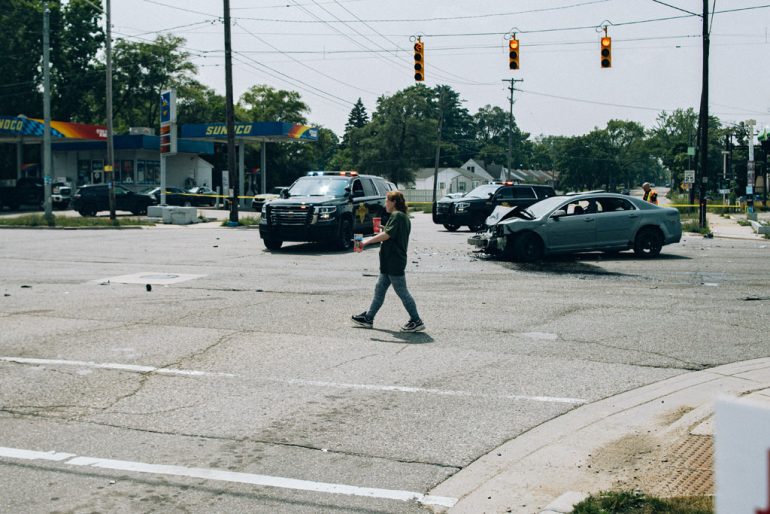
Roads are cleared, damaged vehicles are removed, and traffic begins moving again, but the real work of understanding a car accident often starts after everything looks normal. Drivers usually remember the impact, the confusion, and the damage they can see. A legal investigation follows a different path because it depends on facts that can be checked and connected.
With guidance from an experienced car accident attorney, evidence is examined from a wider perspective, focusing on how different details connect and what they reveal about the accident. That difference in approach explains why the same collision can appear very different through legal eyes.
Drivers often describe an accident as a single event, but attorneys rarely see it that way. They separate the collision into a sequence of events that begins before the impact and continues afterward. Each step matters because it helps explain how the accident unfolded.
Photographs, police reports, witness statements, vehicle damage, and traffic camera footage are reviewed together instead of one at a time. A timeline is then created by placing every detail in the order it happened. This approach makes it easier to compare information and identify whether the facts support one another. Rather than depending on memory alone, the investigation relies on records that build a consistent picture from beginning to end.
One document can answer a question, but it rarely explains an entire accident. Attorneys compare different sources because every record has a purpose, and each one may support another piece of information.
A witness statement may match the position of vehicle damage. Medical records may align with the force of the collision described in the police report. Photographs can confirm details that were mentioned during interviews. Looking for consistency helps create confidence that the evidence reflects the same sequence of events instead of several unrelated observations.
Evidence is not judged only by what it shows. It is also judged by how it connects with everything else collected during the investigation. The same photograph or report may carry a different meaning after another document becomes available.
For example, tire marks may seem like an ordinary part of the accident scene. Later, those same marks might support measurements taken by investigators or match vehicle inspection findings. A repair estimate may appear to describe only damaged parts, yet it can also help explain the direction of impact and the movement of the vehicles before the collision.
This is why attorneys rarely make decisions based on one piece of information. They study the context around every record because isolated evidence can create an incomplete understanding of what happened. Looking at the full collection of documents often reveals details that would otherwise remain unnoticed.
Many people expect all important evidence to be gathered while the accident scene is still active. In reality, some of the most helpful records appear days or even weeks later as different parts of the investigation continue.
Evidence collected after the collision may include:
Each document adds another layer to the investigation. Instead of replacing earlier evidence, these records help confirm or explain what has already been collected. They also allow investigators to compare different sources and check whether the facts remain consistent throughout the case.
Drivers naturally focus on the collision because it is the part they experienced directly. Attorneys study everything connected to that event because legal cases depend on evidence that can be supported from several directions. Their work involves comparing records, checking timelines, reviewing documents, and making sure every detail fits into one complete explanation rather than several separate stories.
This careful approach explains why legal investigations often continue after the accident scene has been cleared. New records can strengthen existing evidence, answer unanswered questions, or provide additional context that was not available on the first day. A complete legal picture is built gradually, not all at once, and every verified fact contributes to that process.
The difference between a driver’s view and an attorney’s view is not about seeing different events. It is about asking different questions and understanding how evidence works together. Personal memories remain important, but legal investigations depend on information that can be verified, compared, and supported by other records.
That broader perspective allows every piece of evidence to become part of a larger story instead of standing on its own. An experienced car accident attorney evaluates those connections carefully because the strength of a case often comes from how well every detail fits together, not from one document or one opinion alone.

Automotive Addicts Contributors are a collective of guest writers, industry professionals, and passionate enthusiasts who bring fresh perspectives to the Automotive Addicts platform. Focused on delivering timely news, in-depth reviews, and unique insights, these contributors help keep the site dynamic and engaging. Many use the platform to expand their reach and build credibility within the automotive media world, adding depth and variety to the content that drives the Automotive Addicts community.


