SRT is back in the performance lab, and its latest prototype technology is aimed at one of the oldest complaints about turbocharged engines: lag. The system is called eBoost Air, and it uses an electric compressor mounted upstream of the traditional exhaust-driven turbochargers to help the engine build boost much more quickly. In simple terms, SRT wants a turbocharged engine to respond with the immediacy and punch people loved from supercharged V8s.
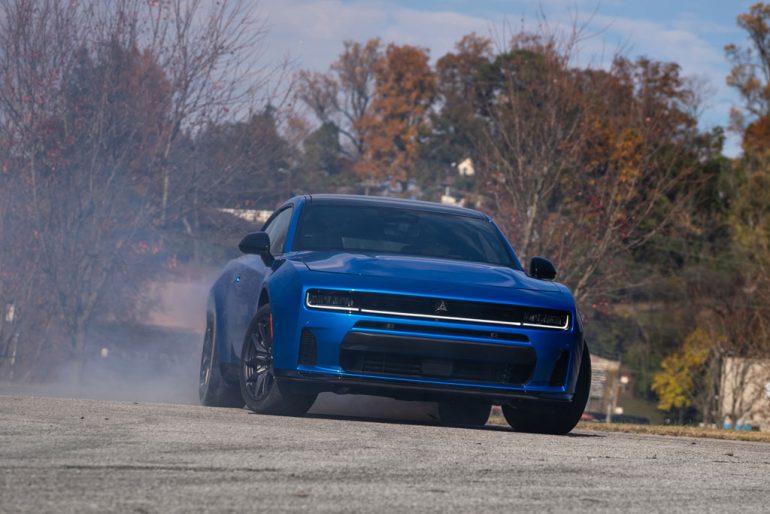
The test bed is Stellantis’ high-output 3.0-liter Hurricane inline-six, the same basic engine family now powering Dodge’s gas-fed Charger Sixpack models. In standard Charger Scat Pack form, the Sixpack H.O. engine makes 550 horsepower and 531 pound-feet of torque. SRT’s eBoost Air concept attempts to sharpen that formula by feeding the turbos positive pressure almost instantly when the driver gets into the throttle at low rpm or from idle, helping the engine feel more awake before exhaust flow fully takes over.
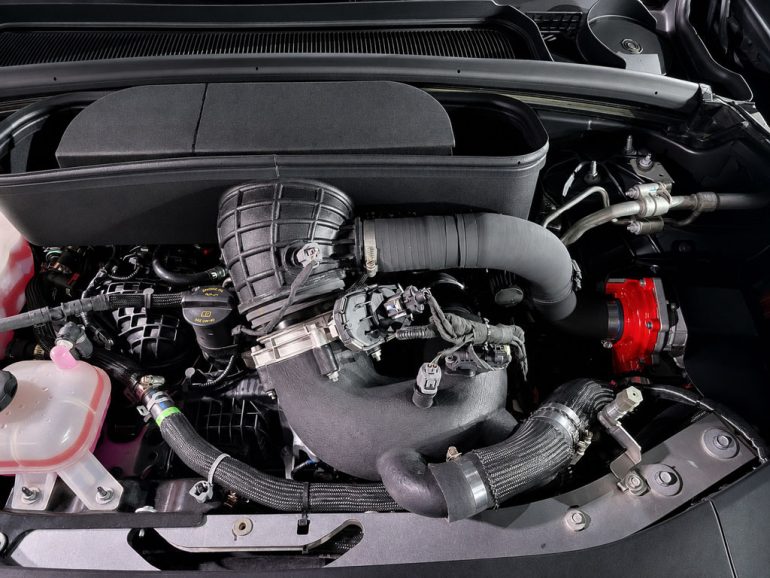
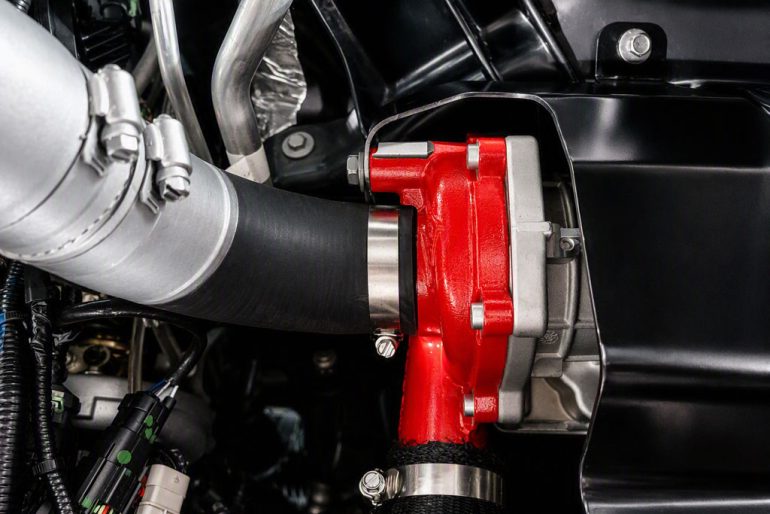
The hardware sounds clever without being overly complicated. An electrically driven compressor sits in the intake path ahead of the turbos, paired with an electronically controlled bypass valve that acts somewhat like a throttle body. When the driver asks for power before the turbos are fully spooled, the electric compressor fills in the gap. Once engine speed rises and the exhaust-driven turbos are doing their job, the system steps aside and lets the conventional turbo setup carry the load. SRT says the goal is to “virtually eliminate” turbo lag across the rev range.
This kind of idea is not entirely new, as other automakers have experimented with electric compressors before, but it feels especially relevant for Dodge and SRT right now. The brand is trying to rebuild its performance identity in a world where supercharged HEMI V8s are no longer the default answer to every horsepower question. If SRT can make the Hurricane inline-six deliver the instant response and drama of an old-school blown V8 while adding more power and efficiency potential, it could help the new generation of Dodge performance cars win over skeptical enthusiasts.
There are still questions. Reports suggest the prototype system may have added around 90 horsepower in testing, which would push the high-output Hurricane near 640 horsepower, but production output, durability, cost, packaging, and calibration are all separate challenges. SRT has not confirmed a production application, though the Dodge Charger Sixpack feels like the obvious candidate if this system makes it past the prototype stage. For now, eBoost Air is a promising sign that SRT is not just chasing nostalgia. It is looking for new ways to make boosted engines feel immediate, emotional, and properly muscular.

Mike Floyd is a finance executive by trade and a car enthusiast at heart. As a CFO with a keen eye for detail and strategy, Mike brings his analytical mindset to the automotive world, uncovering fresh insights and unique perspectives that go beyond the surface. His passion for cars—especially his favorite, the Porsche 911, fuels his contributions to Automotive Addicts, where he blends a love for performance and design with his professional precision. Whether he’s breaking down industry trends or spotlighting emerging innovations, Mike helps keep the site both sharp and forward-thinking.