
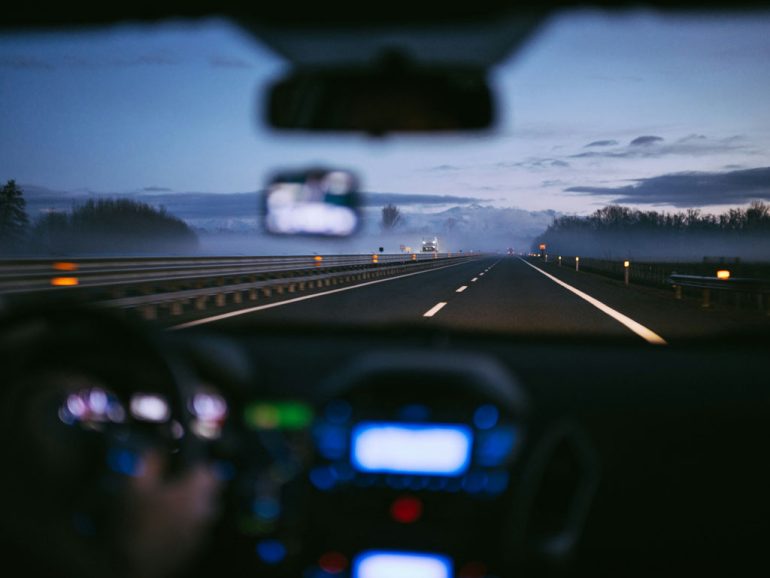
Night driving changes how familiar roads feel. Reduced light can blur lane edges and delay perception of movement ahead, making it harder to judge distance in real time. This is where improvements in car LED lights influence how clearly a driver reads the road, shaping reaction time and confidence, particularly when traffic density increases or road markings become inconsistent across different surfaces at night. Better visibility turns uncertainty into something far easier to manage during daily travel, which often requires more attention from drivers during long commutes.
Commuters often underestimate how much visibility changes driver behaviour on familiar routes. When lighting is uneven, the brain spends more effort interpreting shapes, distances, and movement ahead. Upgraded forward lighting reduces that uncertainty by presenting clearer road definition in low light conditions. Earlier recognition of hazards supports smoother decision-making without abrupt corrections during travel. This improvement becomes noticeable during night driving and early morning starts when contrast is low.
It helps maintain attention without forcing constant visual adjustment across changing road environments. A more consistent field of view also allows drivers to anticipate movement at intersections and merges with greater confidence, reducing hesitation when conditions shift quickly across different road types and lighting environments during night driving.
Long-distance travel places continuous demand on visual focus, particularly when roads are poorly lit or visually inconsistent. Improved lighting reduces how hard the eyes must work to maintain clarity across changing surfaces. Drivers often report reduced eye strain when illumination remains steady through longer night journeys. This steadiness supports better processing of road information and helps sustain attention for longer periods.
Less visual fatigue can also improve judgement speed when unexpected changes appear on the road. That reduced strain makes night travel feel more manageable without requiring changes in driving style. Consistent lighting also helps maintain spatial awareness in low-contrast environments where road edges and obstacles are harder to distinguish quickly and accurately during travel conditions.
Modern lighting upgrades influence how drivers perceive depth, distance, and road texture in everyday conditions. Sharper beam patterns define road edges more clearly, helping drivers judge positioning with greater certainty. This clarity becomes valuable when navigating unfamiliar routes or areas with limited street lighting. Some aftermarket solutions provide more controlled light distribution for improved forward visibility and balance.
Options available through reputable suppliers provide a range of lighting setups suited to different driving needs. Better distribution reduces glare and helps maintain consistent visibility across varying road conditions. When lighting output is balanced correctly, drivers experience smoother transitions between bright and dark environments, reducing the need for constant visual recalibration during changing travel conditions at night driving.
Road environments shift constantly between bright urban areas and darker suburban stretches that challenge visibility. Lighting systems that maintain stability help drivers adapt without repeatedly reinterpreting visual information. Clearer visibility supports better decision-making when unexpected hazards appear with little warning. This reduces hesitation and allows more predictable responses in fast-changing traffic conditions.
Reliable lighting also encourages smoother driving behaviour across peak hour congestion and low light travel. Consistency in illumination helps maintain driver confidence across different road types and conditions. When lighting performance remains stable, drivers are better able to interpret movement at distance, judge spacing accurately, and maintain a calmer rhythm throughout the journey without unnecessary corrections or overreactions to minor changes in visibility conditions on the road ahead.
Improved road-facing illumination plays a practical role in shaping how safely and comfortably people travel at night. Clearer visibility reduces the effort needed to interpret road conditions, which supports better reaction timing and smoother driving decisions. When lighting is consistent, drivers are less likely to misjudge distance or miss subtle changes in traffic flow. This creates a more stable driving experience across different environments and road types encountered during regular commuting.
With better lighting control, drivers gain a clearer understanding of what lies ahead, allowing confidence to remain steady without unnecessary tension or repeated adjustments during changing road conditions overall.

Automotive Addicts Contributors are a collective of guest writers, industry professionals, and passionate enthusiasts who bring fresh perspectives to the Automotive Addicts platform. Focused on delivering timely news, in-depth reviews, and unique insights, these contributors help keep the site dynamic and engaging. Many use the platform to expand their reach and build credibility within the automotive media world, adding depth and variety to the content that drives the Automotive Addicts community.

Automotive Addicts Contributors are a collective of guest writers, industry professionals, and passionate enthusiasts who bring fresh perspectives to the Automotive Addicts platform. Focused on delivering timely news, in-depth reviews, and unique insights, these contributors help keep the site dynamic and engaging. Many use the platform to expand their reach and build credibility within the automotive media world, adding depth and variety to the content that drives the Automotive Addicts community.


