What if your next Chevrolet Silverado or Cadillac Escalade could get smarter with age, anticipate maintenance problems before they happen, and eventually handle highway driving while you sit back and enjoy the ride? That might sound like something straight out of a science fiction movie, but General Motors is laying the groundwork to make much of it a reality. During its GM Forward 2026 technology presentation, the American automaker outlined an ambitious strategy centered on artificial intelligence, advanced vehicle computing, next-generation electric vehicles, and autonomous driving. The goal isn’t simply to introduce more technology into expensive luxury vehicles, but to eventually spread these capabilities across Chevrolet, Buick, GMC, and Cadillac products. It’s a significant undertaking that could fundamentally change how GM designs, manufactures, and updates its vehicles, whether they’re powered by gasoline or electricity.
One of GM’s more ambitious objectives involves dramatically reducing how long it takes to develop a new vehicle. Traditionally, bringing a completely new model from initial design to production can take four to five years, but GM believes artificial intelligence and advanced digital engineering tools could eventually cut that timeline in half. By connecting design, engineering, and manufacturing teams through a shared digital development process, the company hopes to identify potential problems earlier and reduce the need for costly physical prototypes. GM points to its work with lithium manganese-rich battery technology as an example, revealing that engineers evaluated more than 300,000 virtual battery designs before building a physical prototype. According to the company, that approach helped move its first LMR battery pack concept to formal program approval in just one month. If GM can apply similar efficiencies across vehicle development, it could introduce new models and technologies considerably faster while potentially reducing manufacturing costs.
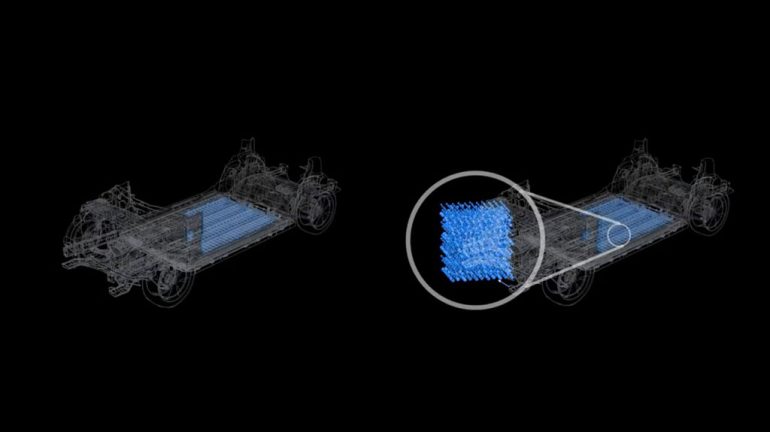
Electric vehicles remain an important part of GM’s long-term strategy, even as the company adjusts production and investment plans to better reflect current consumer demand. At GM Forward, the automaker highlighted its upcoming fourth-generation EV platform, which is being engineered to make electric vehicles more affordable, efficient, and practical for mainstream buyers. The new architecture incorporates lithium manganese-rich battery chemistry intended to improve the balance between driving range and cost, along with redesigned electric drive units that use approximately 40% fewer components than today’s systems. Smaller motors and more compact electronics could also free up additional passenger and cargo space while reducing vehicle weight. We think this is a particularly important direction for GM because the next major breakthrough in EV adoption may have less to do with producing extremely expensive electric SUVs and more to do with offering reasonably priced vehicles that deliver the range, reliability, and convenience buyers actually need.
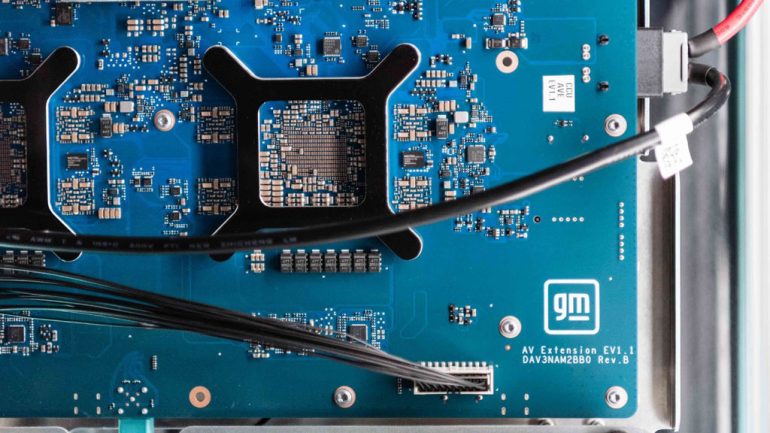
Perhaps the biggest technological leap will come from GM’s next-generation centralized computing architecture, which is scheduled to debut in the 2028 Cadillac Escalade IQ before expanding across the company’s broader lineup. Instead of relying on numerous separate electronic control modules to manage individual vehicle functions, GM is developing a powerful central computing system that integrates propulsion, steering, braking, safety technology, infotainment, and other features. The company claims the new architecture will deliver approximately 40 times more computing power while reducing wiring length and mass by 30% and improving cellular connectivity speeds by as much as 50%. More importantly, the system will support continuous software improvements and increasingly sophisticated artificial intelligence features throughout a vehicle’s life. GM says this technology will eventually reach high-volume gasoline-powered trucks and SUVs, including models like the Chevrolet Silverado, demonstrating that these advancements won’t be reserved exclusively for electric vehicles.
GM is also preparing a major transformation of its familiar OnStar connected services platform. Beginning with the 2027 Cadillac LYRIQ, the new OnStar AI Assistant will arrive through an over-the-air software update, giving drivers a more natural way to interact with their vehicles. Rather than simply responding to basic voice commands, the system is designed to provide personalized assistance, explain vehicle features, and potentially offer proactive guidance based on the vehicle’s condition and the driver’s needs. GM also plans to launch a redesigned OnStar mobile app in 2027 that will replace its existing Chevrolet, Buick, GMC, Cadillac, and OnStar Guardian applications with one unified experience. The app is expected to include vehicle management, connected camera functionality, safety recordings, live camera viewing, and additional family-oriented features. GM emphasizes that customers will retain control over optional features and certain privacy settings, an important consideration as vehicles become more connected and capable of collecting increasingly detailed information.
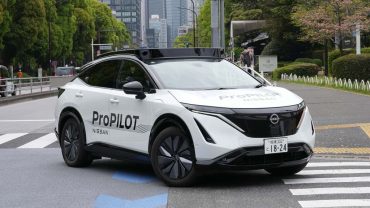
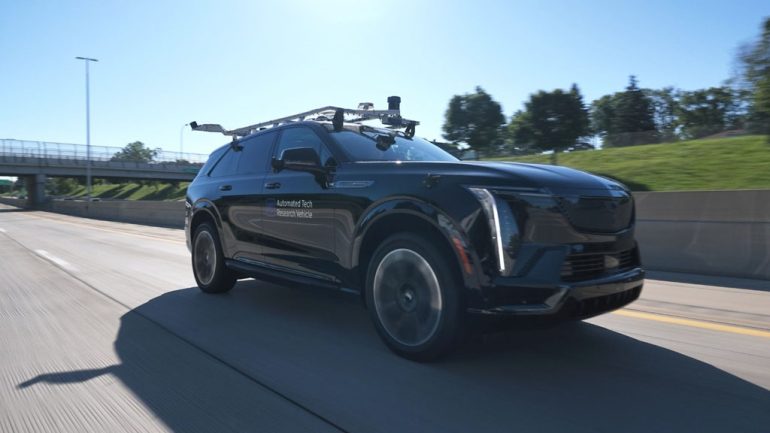
Autonomous driving is another major focus, with GM continuing development of technology that goes beyond its already impressive Super Cruise hands-free highway driving system. The company plans to introduce eyes-off autonomous highway driving in the Cadillac Escalade IQ beginning in 2028, allowing drivers to temporarily take their attention away from the road under approved operating conditions. Unlike today’s Super Cruise system, which still requires drivers to monitor traffic continuously, the upcoming technology is intended to handle the driving task within specific limitations, although drivers may still need to resume control when requested. GM says the system will eventually expand beyond electric vehicles to gasoline-powered full-size SUVs and light-duty pickups. The automaker is also collecting approximately one million miles of detailed sensor data each month through its development fleet while using advanced simulations and artificial intelligence to improve how its autonomous systems respond to complicated driving situations. Eventually, GM envisions vehicles capable of handling errands and transportation tasks independently, although those capabilities remain longer-term ambitions rather than features ready for customers today.
We think GM Forward 2026 offers an interesting look at where one of America’s largest automakers believes the industry is heading, especially as traditional manufacturers face increasing competition from technology-focused companies and rapidly advancing Chinese automakers. There’s no question that AI, software, and advanced computing will play a much larger role in future vehicles, but the challenge will be making those technologies genuinely useful rather than introducing complexity simply for the sake of innovation. Faster development timelines, more affordable EVs, improved vehicle diagnostics, and safer driver assistance systems are all worthwhile goals if GM can deliver them reliably and at prices everyday buyers can justify. We’re especially encouraged that the company intends to bring much of this technology to gasoline-powered vehicles as well, recognizing that not everyone is ready or willing to make the switch to electric propulsion. Ultimately, GM’s ambitious plans will be judged by how well they work in the real world, but the broader message is clear: the company wants its future vehicles to be defined as much by their intelligence and adaptability as by what’s under the hood.

Mike Floyd is a finance executive by trade and a car enthusiast at heart. As a CFO with a keen eye for detail and strategy, Mike brings his analytical mindset to the automotive world, uncovering fresh insights and unique perspectives that go beyond the surface. His passion for cars—especially his favorite, the Porsche 911, fuels his contributions to Automotive Addicts, where he blends a love for performance and design with his professional precision. Whether he’s breaking down industry trends or spotlighting emerging innovations, Mike helps keep the site both sharp and forward-thinking.