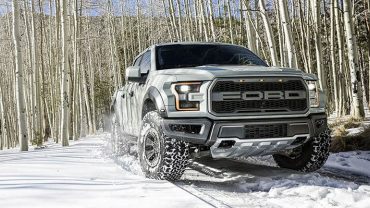
When a real winter storm rolls in, your vehicle becomes more than transportation. It is your warm place to regroup, your way to get to work, and sometimes your backup plan if the weather turns ugly faster than expected. The problem is that severe cold and heavy snow do not just make roads slick. They also hit your car where it hurts most: battery power, tire pressure, fluids, visibility, and even the little rubber parts you never think about until they freeze solid.
Below is a winter-focused, storm-week playbook you can use right now. It is written to help you avoid the most common cold-weather failures, and to make your car, truck, or SUV easier to live with during snow, ice, and single digit mornings.
If you only have time for a few things before the next drive, make it these.
Battery check and backup plan
Cold weather reduces a battery’s ability to deliver power right when your starter needs it most. If your engine cranks slowly, the interior lights dim noticeably when starting, or the battery is older than a few years, you are already in the danger zone.
Clean the battery terminals and make sure the connections are tight. Corrosion steals power.
Keep jumper cables in the vehicle, and if you have a portable jump pack, charge it today.
If you live in a brutally cold area or your car sits outside overnight, a battery warmer can help. Expect $30 to $70 for basic warmers.
Tires and tire pressure
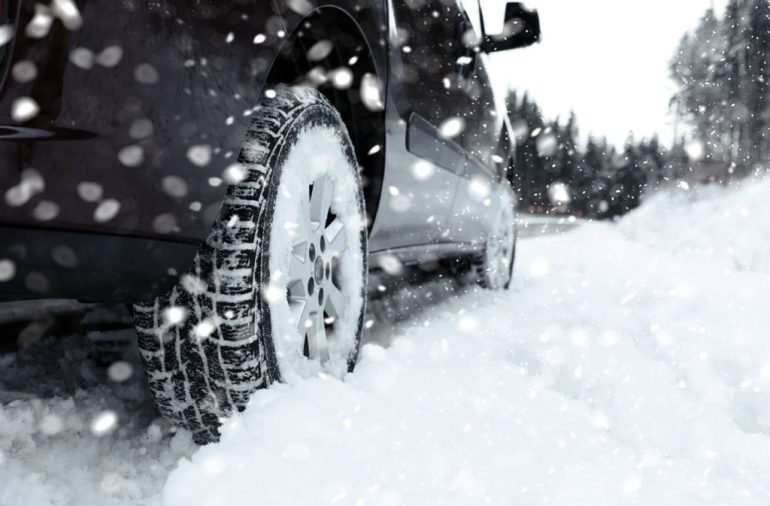
Tire pressure drops as temperatures fall, and that can change how your vehicle steers, stops, and grips in snow. Underinflation also wears tires faster and can make handling feel vague, especially on slushy highways.
Check pressure at least weekly during cold snaps, and always before a long drive.
Inflate to the door-jamb placard recommendation, not the number molded into the tire sidewall.
If your area is seeing frequent snow or ice, winter tires are the biggest traction upgrade you can buy. All-season tires can be fine in light conditions, but true winter rubber is built for cold grip and braking.
Visibility and wipers
Snowfall, road salt, and freezing spray can turn a clean windshield into a frosted blur in minutes.
Use winter-rated washer fluid that will not freeze in the reservoir or lines.
Replace worn wiper blades and consider winter blades if your current set skips, chatters, or leaves streaks.
Lift wipers away from the glass during heavy snow if icing is common where you park. It helps prevent blades from freezing to the windshield.
Cold changes how fluids flow, and in extreme temperatures that can mean slow starts, rough running, or no-start situations.
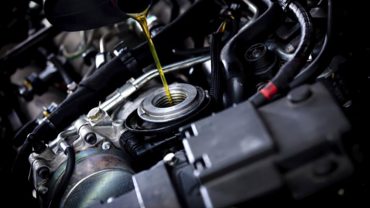
Engine oil and cold starts
Oil thickens as temperatures drop. When it gets very cold, the oil pump has to work harder, and that first minute after startup can feel sluggish.
Use the oil viscosity recommended in your owner’s manual for winter conditions.
Synthetic oils typically flow better in deep cold, which can reduce wear during startup.
If your vehicle supports it and your climate is harsh, an engine block heater can make starts noticeably easier and quicker.
Coolant and freeze protection
Coolant is not just for summer overheating. It also keeps the engine from freezing and cracking when temperatures plunge.
Make sure the coolant level is correct and the mixture is appropriate for your climate.
Do not top off with straight antifreeze unless you know the system’s mix is off. Coolant needs the right ratio to protect properly.
If it has been a long time since the system was serviced, have the freeze protection tested. It is quick and inexpensive compared to the cost of cooling-system repairs.
Fuel and moisture control
Gasoline is not likely to freeze in normal winter weather, but moisture can build up and cause trouble.
Keep the tank at least half full during storm weeks to reduce condensation and give you more range if traffic crawls or you end up detouring.
If your schedule includes long idle periods to warm up, remember that idling burns fuel and can reduce your safety margin.
Electric vehicles can be excellent in winter, especially with instant torque and stable traction control, but cold weather changes the game. Batteries are less efficient in low temps, and cabin heat can pull meaningful energy.
Practical EV storm tips
Precondition while plugged in. Warming the cabin and battery on shore power saves range.
Plan for reduced range, especially on short trips where the battery never fully warms up.
Keep charging options in mind before you leave, and avoid arriving with a near-empty pack when temperatures are dropping overnight.
Clear snow away from charge ports and charging doors, and keep a soft brush in the car so you are not chiseling ice with your keys.
This is the quick checklist that prevents the most annoying and dangerous winter problems.
Clear snow the right way
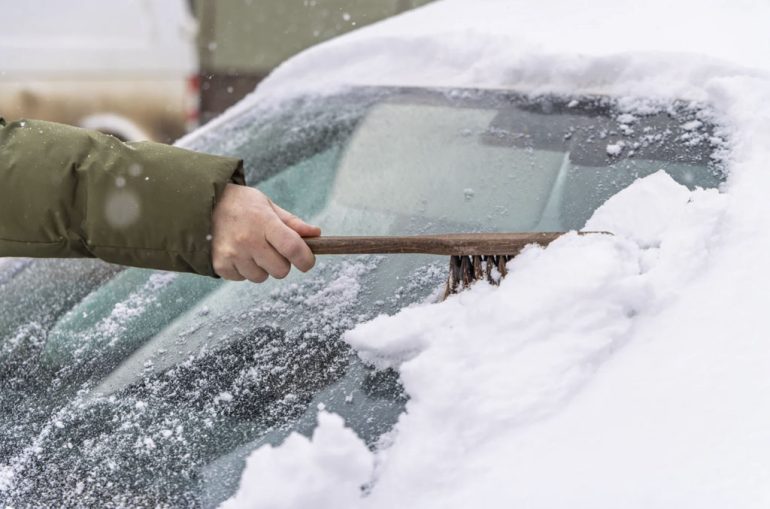
Brush the entire car, not just a porthole on the windshield. Snow sliding off your roof at speed can block your view or hit the car behind you. Clear headlights, taillights, sensors, cameras, and the license plate too.
Check the tailpipe area
If snow drifts pile up behind the car, make sure the exhaust outlet is clear before long idles. You want exhaust flowing freely, especially if you are warming up the vehicle.
Test defrost and heat immediately
If the windshield fogs or frosts on the inside, you need strong defrost performance. Set defrost early, turn on the A/C function if your car allows it (it helps dehumidify), and do not ignore a weak blower motor.
Confirm traction basics
If the driveway is icy, give the brakes a gentle test at low speed as soon as you are moving. You are not looking for a panic stop, just a feel for grip.
Pack a small storm kit
Even a short commute can turn into a long wait if highways close. Toss these in a tote:
Warm gloves and hat
Blanket
Flashlight
Phone charger cable
Small shovel
Ice scraper
Traction aid (cat litter or traction mats)
Water and a snack
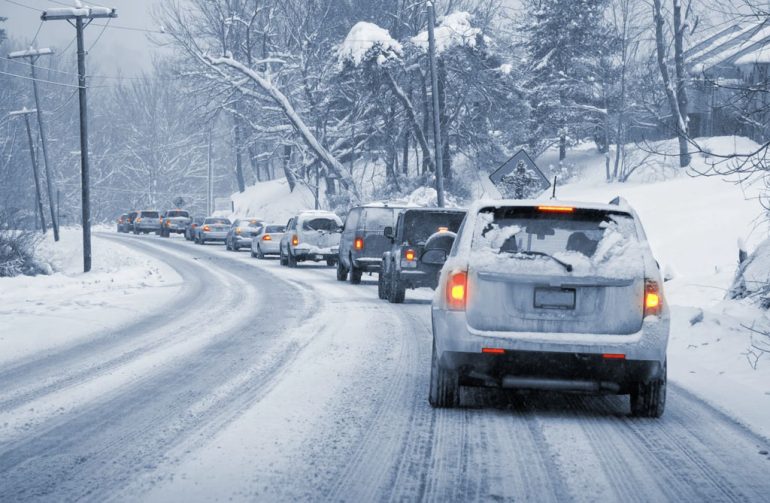
Winter driving is mostly about smoothness and planning ahead.
Slow down earlier than you think
Braking distances expand dramatically on packed snow and ice. Start braking sooner and keep inputs gentle.
Use headlights in snow, even during the day
It is not only about what you can see. It is about being seen through blowing snow and road spray.
Avoid sudden steering corrections
If the car starts to slide, small inputs beat big ones. Let traction control do its job and keep your movements calm.
Know when to stop pushing it
If visibility drops and roads are icing over, the best tip is sometimes the least exciting one: postpone the trip if you can.
Post-drive habits matter a lot during storm weeks because slush refreezes and salt attacks everything.
Knock ice out of the wheel wells
Packed snow can freeze into hard chunks that rub tires or throw off balance. A quick check can prevent that “thumping” noise on the next drive.
Protect door seals
If your doors freeze shut, it is usually the rubber seals holding moisture. A quick wipe-down after driving helps. Silicone protectant on weatherstripping can also reduce sticking.
Wash when roads are salty
Even a basic rinse helps. Pay attention to the undercarriage if you have access to a wash with an underbody spray. Road salt is brutal on brake lines, suspension hardware, and body seams.
Do not set the parking brake in deep freeze if it tends to stick
Some vehicles can have parking brakes freeze, especially after driving through slush. If you know your car is prone to it and you are parked on level ground, use wheel chocks and leave it in Park or in gear instead.
Extreme cold can expose worn belts, hoses, and weak charging systems. If your car is older or has higher mileage:
Inspect belts for cracking and glazing. Cold can finish off a belt that was already on its last legs.
Listen for squeals at startup, which can hint at belt slip or a struggling accessory pulley.
If you are due for a general inspection, winter is when it pays you back.
The best part about winter car care is that most of it is simple. A tire gauge, an ice scraper, good washer fluid, and a little planning go a long way. During a storm week, reliability is the real luxury, and the goal is not just to get through today’s commute, but to make sure your vehicle is ready to do it again tomorrow morning when the thermometer drops even further.

Mike Floyd is a finance executive by trade and a car enthusiast at heart. As a CFO with a keen eye for detail and strategy, Mike brings his analytical mindset to the automotive world, uncovering fresh insights and unique perspectives that go beyond the surface. His passion for cars—especially his favorite, the Porsche 911, fuels his contributions to Automotive Addicts, where he blends a love for performance and design with his professional precision. Whether he’s breaking down industry trends or spotlighting emerging innovations, Mike helps keep the site both sharp and forward-thinking.