The electric vehicle story in North America is no longer just about early adopters, tax credits, or a handful of headline-grabbing launches. It is becoming a much broader market shift, and the latest forecast from MarkNtel Advisors suggests that movement is only going to accelerate. According to the firm’s newest outlook, the North American EV market is projected to climb to roughly $223 billion by 2032, a massive jump that reflects how quickly electrification is becoming part of the mainstream automotive business.
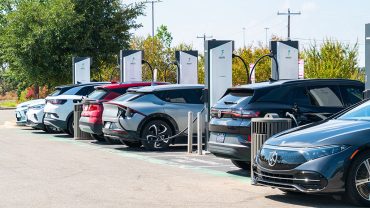
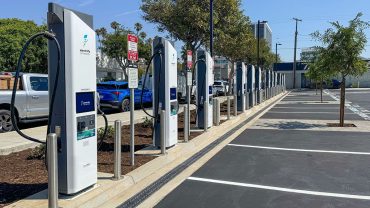
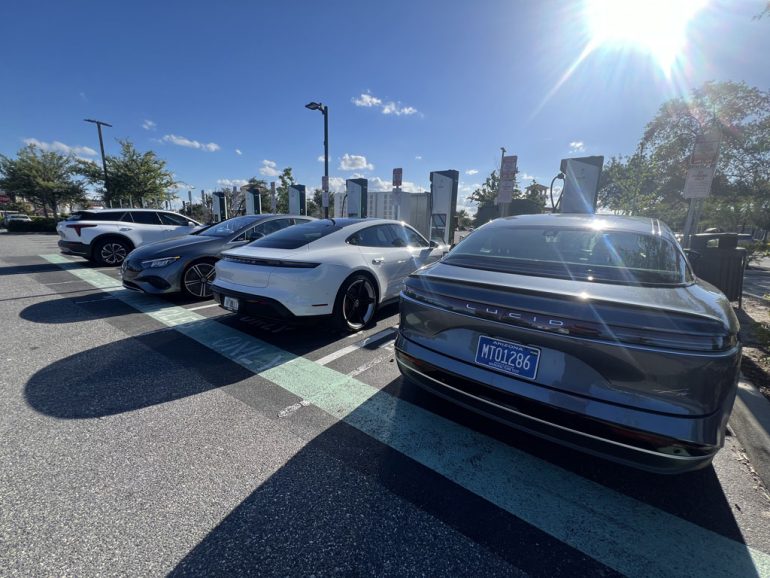
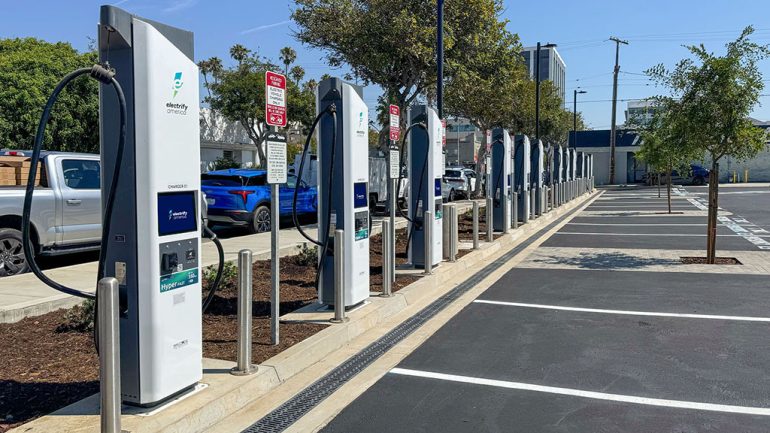
That projected growth is being driven by several forces all pushing in the same direction. Consumers are more comfortable with EVs than they were just a few years ago, automakers are investing heavily in dedicated electric platforms, and charging infrastructure continues to improve across key parts of the U.S., Canada, and Mexico. When you combine that with continued policy support and a steady flow of fresh product, it is not hard to see why analysts believe the market still has plenty of room to expand.
The United States remains the clear heavyweight in this regional picture, and that is not especially surprising. It has the largest customer base, the deepest pool of EV investment, and the strongest manufacturing footprint tied to next-generation battery and vehicle production. The U.S. also continues to shape much of the broader North American EV conversation simply because what happens here tends to influence product planning, supplier strategy, and charging-network growth across the region.
Passenger vehicles are expected to remain the center of the action, which makes perfect sense given where consumer demand has been headed. Buyers want practical electric crossovers, family haulers, commuter-friendly sedans, and vehicles that can slide into everyday life without asking for major compromises. That is why the next phase of EV adoption may feel less like a tech experiment and more like a normal showroom evolution, where electric options are simply becoming part of the regular buying conversation.
Battery-electric vehicles are also expected to keep the upper hand over hybrids and plug-in hybrids in terms of market share. Automakers have clearly signaled where they see the long game, and that means more resources going toward full EV architectures, better battery chemistry, improved range, and faster charging. In other words, the market is maturing in the exact areas that matter most to shoppers who may have been curious before but hesitant to commit.
One of the biggest reasons for that confidence is the sheer volume of new metal arriving in the segment. Honda’s Prologue gave the brand a much-needed mainstream EV entry for North America, Toyota has continued expanding its electric plans with the C-HR EV, and Nissan has reworked the Leaf into a more modern crossover shape that better aligns with current buyer tastes. Those kinds of launches matter because they widen the field and make EV ownership feel less tied to one or two brands.
At the same time, there is still a reality check hanging over all of this growth. EVs may be improving quickly, but affordability remains one of the biggest hurdles. Even with incentives and declining battery costs, the upfront price of many electric vehicles still puts them out of reach for plenty of shoppers. Add in uneven charging access in rural areas or less-developed corridors, and the market still has some real-world friction to work through before it reaches its full potential.
That may be why the most interesting part of this forecast is not just the headline number, but the fact that it reflects a market still in transition rather than one that has already figured everything out. North America’s EV space is growing because the product is getting better, the infrastructure is getting stronger, and the industry is learning where the weak points are. It is not a perfect trajectory, but it is a meaningful one, and that usually matters more in the long run than short bursts of hype.
For the automotive world, the takeaway is pretty simple. EV adoption across North America is still moving forward, even if the pace has become more complex and a little less predictable than the boldest early forecasts suggested. A $223 billion market by 2032 would be a major statement about where consumer demand, automaker priorities, and regional investment are all headed. The electric future may not arrive in one dramatic wave, but it is clearly continuing to build.

Lloyd Tobias is a seasoned automotive journalist and passionate enthusiast with over 15 years of experience immersed in the world of cars. Whether it’s exploring the latest advancements in automotive technology or keeping a close pulse on breaking industry news, Lloyd brings a sharp perspective and a deep appreciation for all things automotive. His writing blends technical insight with real-world enthusiasm, making his contributions both informative and engaging for readers who share his love for the drive. When he’s not behind the keyboard or under the hood, Lloyd enjoys test driving the newest models and staying ahead of the curve in an ever-evolving automotive landscape.