
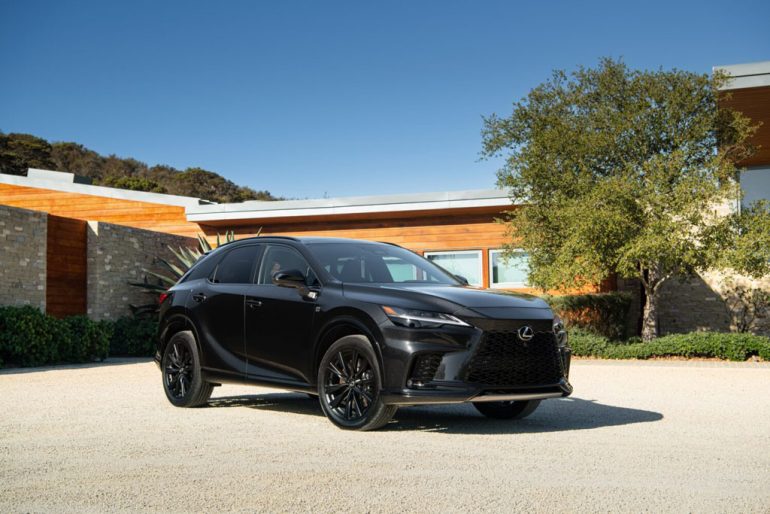
A modern car’s window sticker is packed with information, and safety ratings are among the most important details. These scores, often shown as stars or descriptive words, come from rigorous testing. This testing predicts how well a vehicle will protect its occupants in a crash. Understanding these ratings is a fundamental part of buying a car. It helps you look beyond just style and performance to choose a vehicle that truly prioritizes your well-being on the road.
While the data might seem complex, it boils down to a simple idea: not all cars offer the same level of safety. Learning to understand crash tests and safety features helps you make a more informed choice for yourself and your passengers.
In the United States, two main organizations evaluate and rate vehicle safety: the National Highway Traffic Safety Administration (NHTSA) and the Insurance Institute for Highway Safety (IIHS). Both aim to give consumers clear safety information, but they use different testing methods and rating systems.
NHTSA, a government agency, runs the New Car Assessment Program (NCAP). Its most recognized rating is the 5-Star Safety Ratings system. Vehicles go through frontal, side, and rollover crash tests.
The IIHS, an independent organization funded by auto insurers, conducts its own set of tougher tests. Instead of stars, the IIHS uses a four-point scale: Good, Acceptable, Marginal, or Poor. Their evaluations include multiple frontal and side crash tests, a roof strength test for rollover protection, and assessments of head restraints and seats. The IIHS is known for regularly introducing new, more challenging tests, like the small overlap frontal crash, which has pushed automakers to improve structural integrity. Many international bodies have similar goals. You can learn about how cars are tested for safety in Europe to see how standards compare globally. Learning about IIHS tests directly from the source can give you a deeper understanding of their rigorous process.
Vehicle safety technology falls into two broad categories: passive and active. Knowing the difference helps you appreciate how a modern car works to protect you.
Passive safety features activate during a crash to minimize injury. They don’t need any driver action to work. Think of them as the vehicle’s last line of defense.
Active safety features, on the other hand, are designed to prevent a crash from happening in the first place. Many of these are part of Advanced Driver-Assistance Systems (ADAS). These systems use sensors like cameras and radar to monitor the vehicle’s surroundings. They either warn the driver or take automatic action.
Advanced safety features and high crash-test ratings don’t just offer protection on the road. They can also directly affect your finances. Insurance providers analyze risk when setting premiums. A vehicle that is statistically less likely to be in a severe accident, or better protects its occupants, represents a lower risk. Cars with robust active and passive safety systems often qualify for lower insurance rates.
When an insurer sees a vehicle has a 5-star NHTSA rating or is an IIHS Top Safety Pick, they know it performed well in standardized tests. Features like automatic emergency braking and forward collision warning can significantly reduce the frequency of common rear-end accidents. This reduced risk of claims can mean savings for the policyholder. If your car has modern safety tech, it’s a good idea to mention this when shopping for coverage. You can inquire about car insurance with Swinton to see how your vehicle’s specific features might influence your premium, as different providers may weigh certain technologies differently. Ultimately, investing in a safer car can pay off for both your physical and financial well-being.
When you’re looking for a new or used car, safety ratings should be a primary research tool. It’s easy to focus on fuel economy, cargo space, or infotainment systems, but a vehicle’s ability to protect you in a crash is most important. Thanks to the work of the NHTSA and IIHS, this data is readily available online. You can look up the specific make, model, and year of any vehicle you’re considering.
It helps to look at both NHTSA and IIHS ratings for a complete picture. A car might perform well in one organization’s tests but show a weakness in another’s. For example, a vehicle could earn a 5-star overall rating from NHTSA but only get an “Acceptable” rating in the IIHS small overlap test. This doesn’t mean the car is unsafe, but it gives you a more nuanced view of its performance. An overview of car safety ratings explained can help you compare the different systems and understand how to interpret the results. Use this information to create a shortlist of vehicles that meet your safety standards before you even visit a dealership.
Combining your knowledge of crash test standards and safety features lets you approach car shopping with a clear strategy. Beyond just looking up star ratings, consider the complete safety package a vehicle offers.
First, prioritize vehicles that have earned top marks from both the NHTSA (5 stars) and the IIHS, such as the 2009 Top Safety Picks. This shows strong performance across many crash scenarios.
Second, look for a vehicle with key active safety features. Electronic Stability Control has been mandatory on new vehicles for years, but features like blind-spot monitoring, rear cross-traffic alert, and automatic emergency braking are often optional or only on higher trim levels. Decide which of these are essential for your driving habits.
Third, consider physics. In a collision between two vehicles of different sizes, the occupants of the larger, heavier vehicle generally experience lower forces and are therefore safer. This doesn’t mean you need to buy the biggest SUV available, but it’s a factor to keep in mind when comparing, for example, a subcompact car with a midsize sedan.
Finally, pay attention during your test drive. How are the sightlines? Do the safety alerts feel intuitive or distracting? A car that feels comfortable and gives you confidence is an important part of the safety equation.
By thoroughly researching ratings and features, you can select a vehicle that not only meets your daily needs but also offers a high level of protection, giving you confidence every time you get behind the wheel.

Automotive Addicts Contributors are a collective of guest writers, industry professionals, and passionate enthusiasts who bring fresh perspectives to the Automotive Addicts platform. Focused on delivering timely news, in-depth reviews, and unique insights, these contributors help keep the site dynamic and engaging. Many use the platform to expand their reach and build credibility within the automotive media world, adding depth and variety to the content that drives the Automotive Addicts community.


