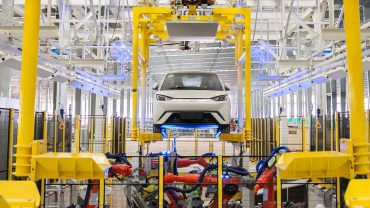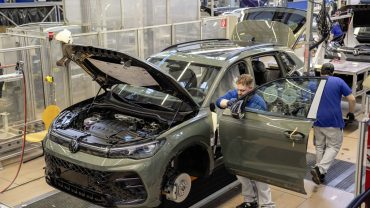

The Biden administration is set to inject over $1 billion into General Motors (GM) and Stellantis to bolster electric vehicle (EV) production. This initiative, part of a broader $1.7 billion Department of Energy (DOE) grant program, aims to convert 11 “at risk” plants across eight states to produce 1 million EVs annually, preserving 15,000 jobs and creating an additional 3,000 positions.
Energy Secretary Jennifer Granholm highlighted this investment as a key element of the administration’s strategy to modernize the automotive industry. Granholm emphasized the importance of federal support in helping U.S. automakers compete globally, particularly against countries with heavily subsidized auto industries.
The grants target plants in Michigan, Ohio, Pennsylvania, Georgia, Illinois, Indiana, Maryland, and Virginia—states that will be pivotal in the upcoming presidential election. President Biden has consistently pushed for increased EV production, introducing tax incentives and funding for EV charging infrastructure while implementing stricter emissions regulations.

Despite criticism from former President Donald Trump, Biden’s policies aim to reassure union workers and autoworkers that the shift to EVs will not result in job losses. General Motors will receive $500 million to convert its Lansing Grand River Assembly Plant in Michigan for future EV production. Although GM has not specified the details, the plant will continue producing the Cadillac CT4 and CT5 models.
Stellantis will benefit from $334.8 million to convert its Belvidere Assembly plant in Illinois and $250 million for its Indiana Transmission Plant in Kokomo. The company recently committed to significant investments in a new battery plant and mid-size truck factory in Illinois, further aligning with Biden’s vision.
Additional beneficiaries of the DOE grants include Hyundai Mobis, Harley-Davidson, Blue Bird, Cummins, Volvo Group, and ZF North America, each receiving funds to enhance their EV production capabilities. However, these awards are contingent upon completing negotiations and environmental reviews.
This extensive investment underscores the administration’s commitment to advancing the U.S. auto industry towards a sustainable, electric future while maintaining job security and economic stability in key regions.

Lloyd Tobias is a seasoned automotive journalist and passionate enthusiast with over 15 years of experience immersed in the world of cars. Whether it’s exploring the latest advancements in automotive technology or keeping a close pulse on breaking industry news, Lloyd brings a sharp perspective and a deep appreciation for all things automotive. His writing blends technical insight with real-world enthusiasm, making his contributions both informative and engaging for readers who share his love for the drive. When he’s not behind the keyboard or under the hood, Lloyd enjoys test driving the newest models and staying ahead of the curve in an ever-evolving automotive landscape.