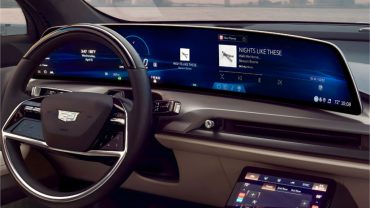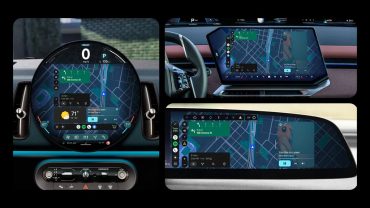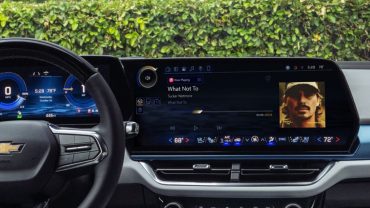

It may finally happen. After years of proudly going its own way on in-car tech, Tesla is now reportedly working to bring Apple CarPlay to its vehicles. For EV shoppers who have been skipping Tesla over the lack of CarPlay, this is huge news. It is also a sharp contrast to what General Motors is doing, since GM is actively ripping CarPlay and Android Auto out of its lineup and betting everything on its own in-house software.
According to multiple reports, Tesla has CarPlay support running in testing and is discussing a rollout in the coming months, though timing is not locked in yet. Rather than handing the whole screen over to Apple, Tesla plans to run CarPlay inside a window within its existing interface. That means the familiar Tesla UI will stay in control of core vehicle functions while CarPlay handles phone-centric stuff like Maps, Music, Messages, and third party apps. The setup is expected to be wireless and based on the standard CarPlay experience, not the newer CarPlay Ultra version that can take over digital gauge clusters and climate controls.
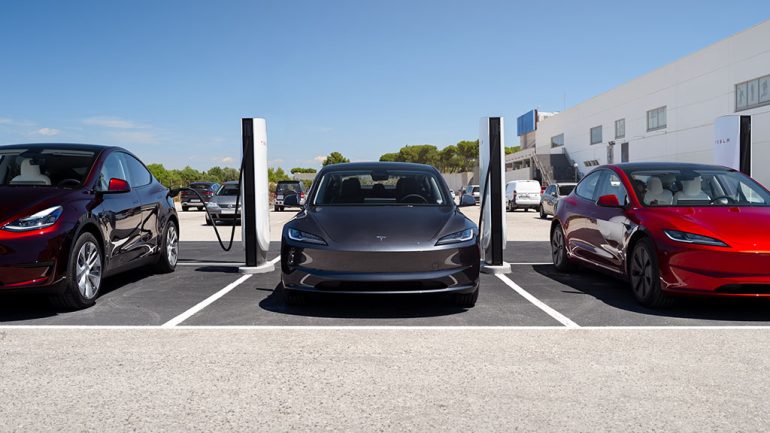
For Tesla, this is more than a tech checklist item. The lack of CarPlay has become a real friction point for some buyers, especially in a market where even budget friendly crossovers often support both CarPlay and Android Auto straight from the factory. Bloomberg reports that Tesla views CarPlay as one of several levers it needs to pull to help shore up demand after a stretch of pricing volatility and rising competition from legacy automakers and new EV players. When you are trying to win over shoppers who are already heavily invested in the Apple ecosystem, telling them they can finally bring their digital life into the car in a familiar way is a powerful sales tool.
Tesla’s approach here is pretty clever. By keeping CarPlay confined to a window instead of letting it replace the entire interface, the company can keep tight control over the driving experience, including how it surfaces Autopilot and Full Self Driving features. At the same time, owners get the comfort of Apple’s navigation, messaging, and media apps, which tend to be faster to update and more polished than many native car systems. It is a compromise that lets Tesla maintain its software identity without ignoring how strongly people feel about their phones.
Now compare that to GM. While Tesla is finally opening the door to CarPlay, GM has been busy slamming it shut. As we covered previously, GM doubled down on its decision to drop Apple CarPlay and Android Auto from its new EVs, starting with models like the Blazer EV and moving toward a unified in-house infotainment platform. The company has pitched this as a way to better integrate vehicle features, collect data, and eventually layer on new revenue generating services over time.
If that were limited to a few halo EVs, some buyers might shrug. Instead, GM leadership has now made it clear that the plan is to phase out phone projection entirely across the lineup over the next few years, not just on electric models. In recent interviews, GM CEO Mary Barra has talked about a future where all GM vehicles migrate to a proprietary software stack that does not support either Apple CarPlay or Android Auto. That means a shopper who is used to hopping into almost any new vehicle and seeing their familiar Apple or Google interface would suddenly find GM as the odd one out.

From where we sit, that remains a big mistake for GM, and Tesla’s move only makes it look worse. Everyday drivers have voted with their wallets and their survey responses for years now. They like CarPlay. They like Android Auto. They trust the apps on their phone more than a carmaker’s homegrown navigation and media software. When a buyer can step from a Nissan to a Hyundai to a BMW and have CarPlay waiting for them, GM’s decision to pull that away feels like a step backward, not forward.
Tesla has spent years being criticized for skipping CarPlay altogether, and the company still has one of the most polished native infotainment systems on the market. If even Tesla is saying “ok, we hear you, here is CarPlay on top of what we already built,” that should be a loud wake up call in Detroit. It undercuts the idea that dropping CarPlay is the only way to maintain a strong in-car software identity or enable advanced connected services. Tesla is about to show that you can have both.
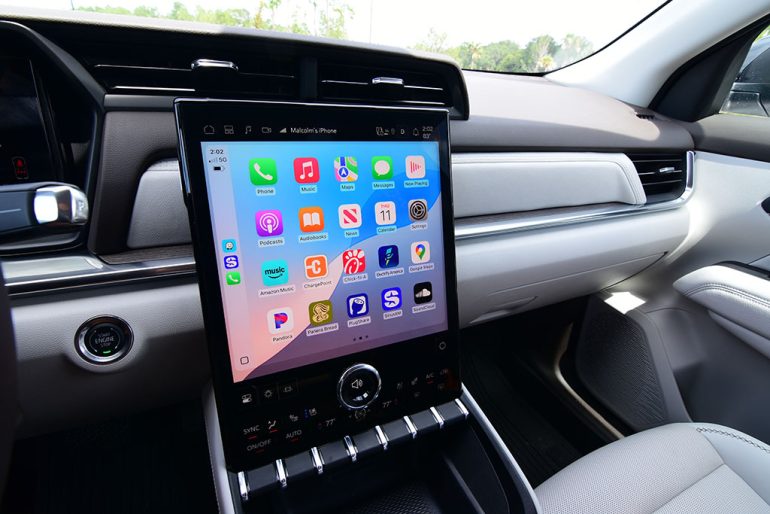
For GM customers, the frustration is already real. New EV buyers are finding out the hard way that their phones will not project to the big center screen, and aftermarket solutions are popping up to work around that limitation. If GM continues to push forward while Tesla moves closer to what customers have been asking for, it will only add insult to injury. The optics are brutal. On one side you have Tesla finally listening to its customers about CarPlay. On the other side you have GM ignoring a chorus of complaints and doubling down.
Can GM pivot the way Tesla just did? Of course. Software roadmaps can be rewritten and partnerships can be rebuilt, especially when customer satisfaction and sales are on the line. The smart move now would be for GM to take a hard look at why Tesla is changing course and what that says about the value of CarPlay and Android Auto to real-world buyers. If the brand stays on its current path while rivals rush to embrace the phone-first reality of modern life, it risks losing not only tech-savvy early adopters, but a broad swath of mainstream shoppers who simply want their cars to work seamlessly with the devices they already own.

Darryl Taylor Dowe is a seasoned automotive professional with a proven track record of leading successful ventures and providing strategic consultation across the automotive industry. With years of hands-on experience in both business operations and market development, Darryl has played a key role in helping automotive brands grow and adapt in a rapidly evolving landscape. His insight and leadership have earned him recognition as a trusted expert, and his contributions to Automotive Addicts reflect his deep knowledge and passion for the business side of the car world.