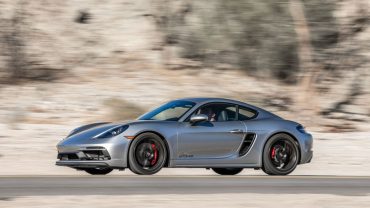
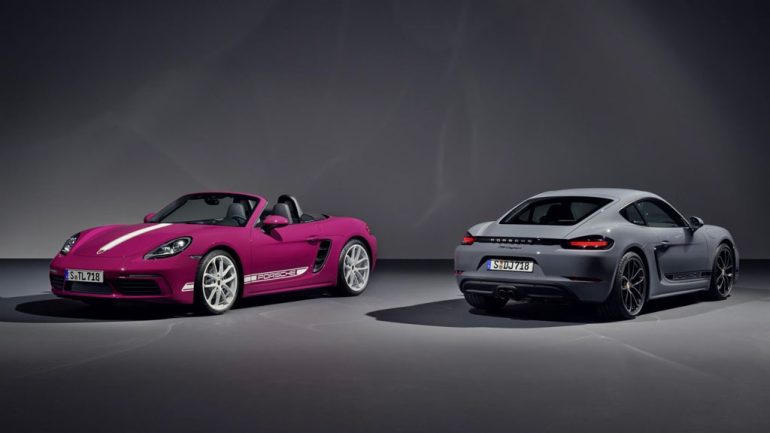
For a while, it looked like the next Porsche 718 Boxster and Cayman were headed toward an all-electric future, full stop. Now a new report from Autocar claims Porsche is preparing to keep combustion in the mix for the next generation, and not just as a limited, enthusiast-only swan song. If the information holds up, it would be a notable pivot that keeps the 718’s identity tied to the things buyers have loved about it for years: compact dimensions, mid-engine balance, and the kind of mechanical character EVs still struggle to replicate.
The report suggests Porsche is working to adapt the next-gen 718’s underlying architecture so it can accept internal combustion across the model line, reversing the previous plan for an EV-only 718 family. The timing makes sense in context. Back in September, Porsche acknowledged it would continue offering combustion for the top RS variants, though those were expected to come from the outgoing generation. What’s different here is the suggestion that gas power could be engineered into the new platform itself, opening the door to a broader range of trims instead of a narrow final edition approach.
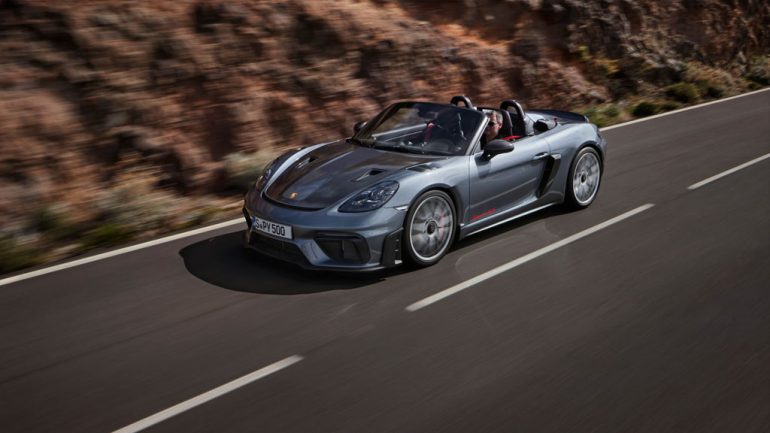
The engineering challenge is where this story gets especially interesting. The platform in question was developed around an electric setup, and EV-first designs typically assume you will not need a fuel tank, exhaust routing, fuel lines, or the packaging compromises that come with them. The report notes that this architecture also wasn’t designed with space for a central tunnel, which makes a traditional mid-engine layout much harder to pull off. It’s the kind of problem that sounds simple in headlines but becomes a serious puzzle when you start thinking about heat management, crash structure, and everyday usability.
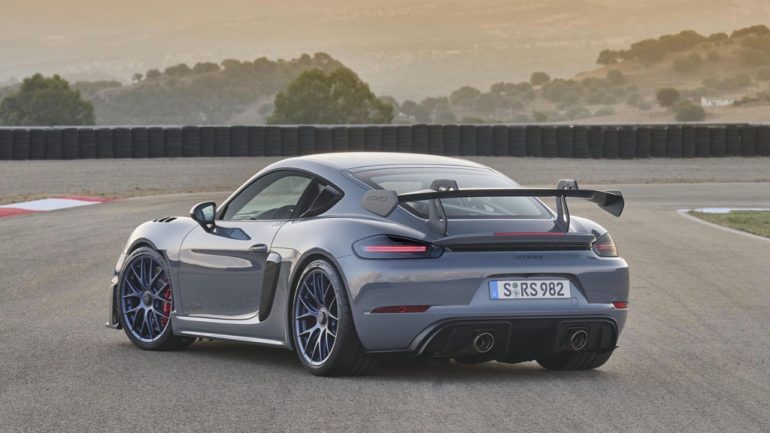
Then there’s rigidity. Modern EV platforms often use the floor-mounted battery as a structural element, and removing that can mean the chassis needs additional reinforcement to regain stiffness. If Porsche really is trying to keep the performance targets of the electric 718 intact while carving out room for combustion hardware, that is a tall order. Porsche has pulled off packaging magic before, but squeezing all of those components into an EV-shaped blueprint would be a major undertaking even for a company with Weissach’s resources.
As for what might power a gas-burning next-gen 718, nothing is confirmed, and that’s the key detail to keep in mind. The report floats the possibility of Porsche’s 4.0-liter flat-six being in the conversation, though Porsche has previously pointed to Europe’s emissions requirements as a factor working against it. Until Porsche speaks publicly, the safest bet is to treat this as a strong signal, not a done deal. Still, for anyone who worries the 718’s next chapter would lose its soul, this is the kind of rumor that will have enthusiasts paying very close attention to what Porsche does next.

Lloyd Tobias is a seasoned automotive journalist and passionate enthusiast with over 15 years of experience immersed in the world of cars. Whether it’s exploring the latest advancements in automotive technology or keeping a close pulse on breaking industry news, Lloyd brings a sharp perspective and a deep appreciation for all things automotive. His writing blends technical insight with real-world enthusiasm, making his contributions both informative and engaging for readers who share his love for the drive. When he’s not behind the keyboard or under the hood, Lloyd enjoys test driving the newest models and staying ahead of the curve in an ever-evolving automotive landscape.