
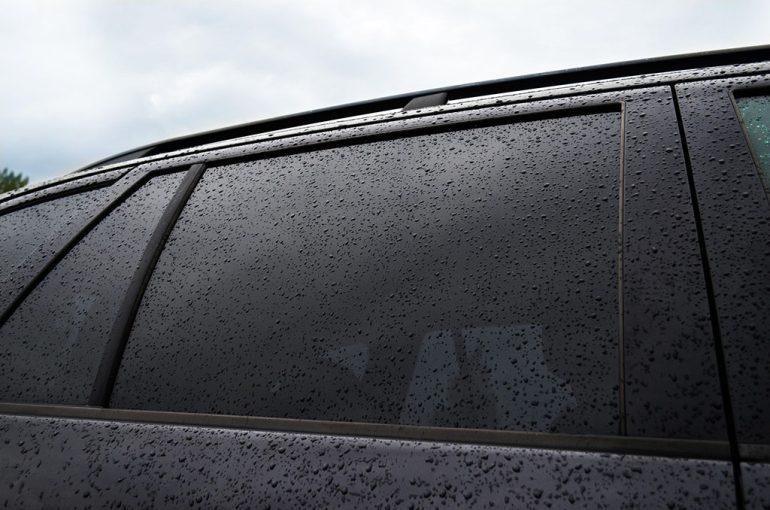
Window films provide several benefits for drivers who spend a significant amount of time on the open road every day. The primary advantage is the reduction of interior heat that can make a vehicle cabin feel like an oven. High quality films reflect thermal energy and keep the cockpit cooler without relying purely on the air conditioning system of the car.
Beyond climate control, many vehicle owners choose darker aesthetics for added privacy and personal style. Dark windows create a sophisticated and uniform look that complements the lines of a modern car or truck. It also keeps valuable items hidden from the prying eyes of opportunistic thieves who might be looking into a busy parking lot during the day.
Finding the perfect balance between personal preference and visibility for law enforcement is a critical part of the modification process. Officers need to see into a vehicle for their own safety during a routine traffic stop. This is why it is essential to understand the specific Georgia tint laws before applying any material to your passenger glass.
Visible light transmission is a technical term that defines how much natural light can pass through the glass and into the cabin. This percentage is the most important number that installers and inspectors look for when evaluating a custom film application. A higher percentage means more light enters the vehicle while a lower number indicates a darker and more opaque finish.
Standard factory glass often has a slight tint built into the material to help reduce glare for the driver and passengers. When an additional layer of film is applied, the total transmission is calculated by multiplying the values of both the glass and the film together. This cumulative effect is why a legal film can sometimes become illegal once it is placed on a tinted window.
Regulatory bodies set these standards to ensure that every driver maintains a clear view of the road even during low light conditions. If the glass is too dark, it can interfere with the ability to see pedestrians or other vehicles at night. Maintaining these specific light levels is a fundamental requirement for staying legal and safe on the busy highway.
Reflectivity is another major factor that transportation departments regulate to prevent dangerous glare for other drivers on the road. Mirror finishes that look like a silver surface are often restricted because they can bounce sunlight directly into the eyes of oncoming traffic. This intense reflection creates a temporary blindness that can lead to high speed collisions and serious injury for everyone.
Certain hues and colors are also prohibited on passenger vehicles to avoid confusion with emergency services and official government cars. Films that shift the appearance of the glass to a bright red or a deep amber color are generally not allowed on the primary windows. These restrictions help to maintain a consistent visual language that all drivers can understand and follow safely.
Identifying these prohibited finishes before starting an installation project prevents the need for expensive removal and replacement later on. Most professional shops only stock materials that are known to meet the current standards for reflectivity and color in the area. Staying within these boundaries ensures your car remains stylish without becoming a hazard to the surrounding public infrastructure.
Individuals with severe light sensitivity or specific skin conditions can apply for legal waivers that allow for darker windows than the standard rules permit. These medical exemptions are designed to protect those who would otherwise face significant health risks from daily sun exposure while driving. It is a necessary provision that recognizes the unique needs of certain members of the community today.
The application process usually requires a formal certification from a licensed physician who can document the specific medical need for the modification. This paperwork must be kept in the vehicle at all times to prove to law enforcement that the dark windows are a legitimate health requirement. It provides a legal shield that prevents the driver from receiving unnecessary citations during a stop.
These waivers often come with specific limitations on how dark the windows can be and which pieces of glass can be covered. It is not a free pass to ignore the rules but a carefully managed exception that prioritizes human health over standard regulations. Following the correct procedure ensures that the individual stays protected while remaining in full compliance with the law.
Roadside inspections are the primary way that authorities ensure every vehicle on the road is following the established rules for window films. During a routine stop, an officer may use a small and portable light meter to verify the darkness of the glass in just a few seconds. These devices provide an objective and accurate measurement of the visible light transmission percentage.
The meter works by sliding over the edge of the glass and shining a known light source through the film to a sensor. If the reading falls below the legal threshold, the driver may be issued a citation and required to remove the illegal material. This immediate feedback removes the guesswork and ensures that the law is enforced fairly and consistently.
Law enforcement takes these checks seriously because visibility is a key component of public safety and officer protection during a call. Drivers should be aware that their windows can be tested at any time if there is a reasonable suspicion of a violation. Understanding these testing methods helps to manage the expectations of any person who chooses to modify their car.
Upgrading a vehicle with professional window films is a great way to improve comfort and protect the interior from the damaging sun. High performance materials can block almost all of the harmful UV rays that cause leather seats to crack and fade over time. It is a smart investment that preserves the resale value and the overall look of the asset.
Achieving these benefits without compromising road safety requires a commitment to using quality materials and professional installation services. Expert shops can provide the advice needed to ensure that the final result is both beautiful and legal. They understand the nuances of the law and can help you make an informed and safe decision for your personal car.
Summary of the process proves that staying informed is the best way to enjoy the perks of a tinted car without risk. By respecting the boundaries set by the local government, drivers can contribute to a safer and more orderly road environment for everyone. Excellence in modifications is found in the choice to prioritize compliance and quality in every single task.

Automotive Addicts Contributors are a collective of guest writers, industry professionals, and passionate enthusiasts who bring fresh perspectives to the Automotive Addicts platform. Focused on delivering timely news, in-depth reviews, and unique insights, these contributors help keep the site dynamic and engaging. Many use the platform to expand their reach and build credibility within the automotive media world, adding depth and variety to the content that drives the Automotive Addicts community.


