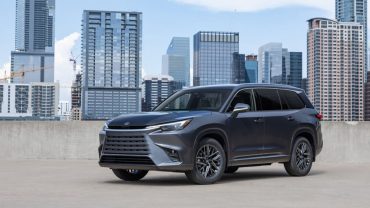
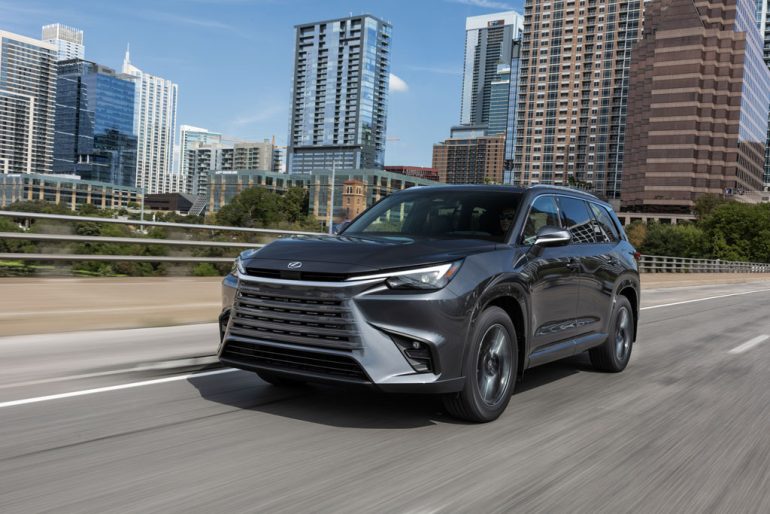
Sometimes the biggest news surrounding a new vehicle isn’t what’s being added, but what’s being taken away. That’s certainly the case with the 2027 Lexus TX, as the Japanese luxury automaker has officially discontinued the TX 550h+ plug-in hybrid, leaving buyers with just two powertrain choices for the upcoming model year. It’s a somewhat surprising decision considering Lexus has built much of its reputation around hybrid technology, but the numbers suggest the plug-in version simply wasn’t attracting enough customers. According to Car and Driver, Lexus sold 57,346 TX SUVs in 2025, yet only 953 were the plug-in hybrid TX 550h+ models. By comparison, the conventional hybrid TX 500h accounted for 10,740 sales during the same period. For a vehicle that combines three-row practicality with a premium badge, it appears most buyers are perfectly content with either a traditional gasoline engine or a hybrid that doesn’t require plugging in.
The TX 550h+ was arguably one of the more interesting offerings in the lineup, combining a 3.5-liter V6 engine with electric motors for a total of 404 horsepower and the ability to travel short distances on electric power alone. Unfortunately, that combination of performance and electrification came at a substantial premium, making it a relatively expensive proposition even by luxury SUV standards. Lexus hasn’t provided a specific explanation for discontinuing the model, but the modest sales figures certainly help explain the decision. For 2027, buyers will instead choose between the TX 350, powered by a turbocharged 2.4-liter four-cylinder engine producing 275 horsepower, and the TX 500h, which combines a turbocharged four-cylinder with electric assistance for a more substantial 366 horsepower. The TX 350 offers front-wheel drive or available all-wheel drive, while the TX 500h comes exclusively with all-wheel drive and delivers a sportier driving experience through its F Sport Performance configuration.
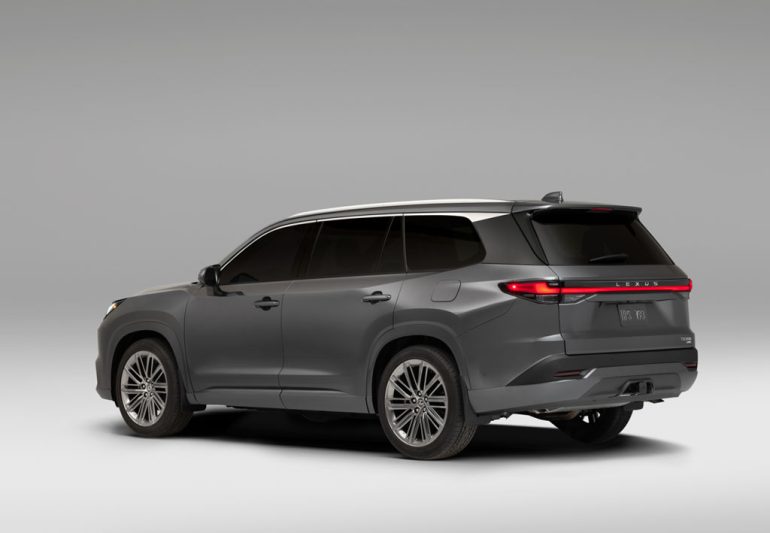
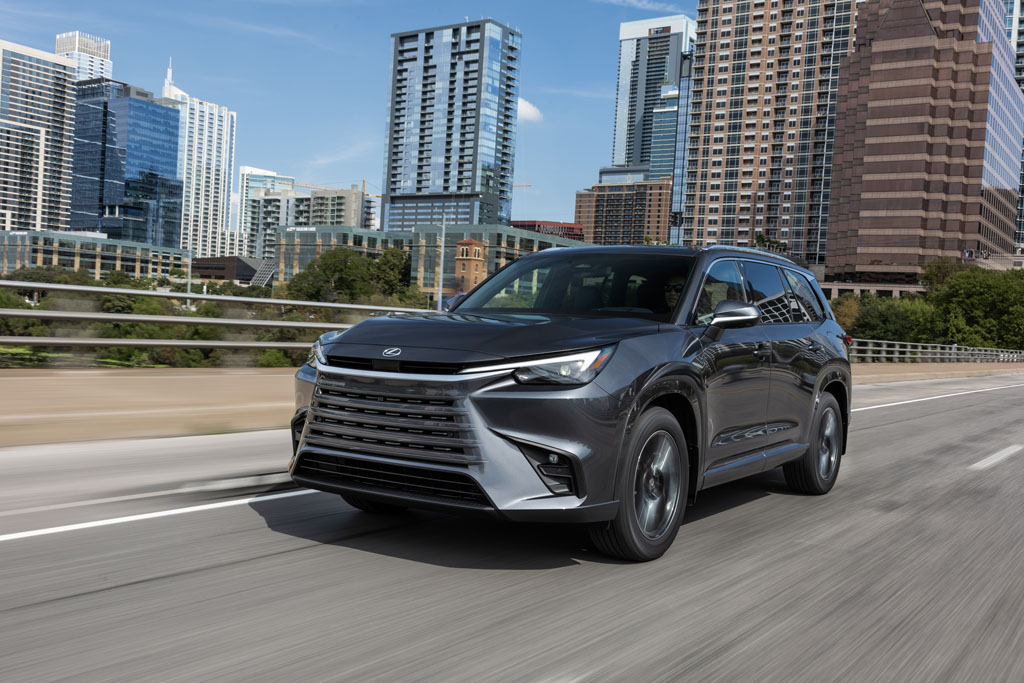
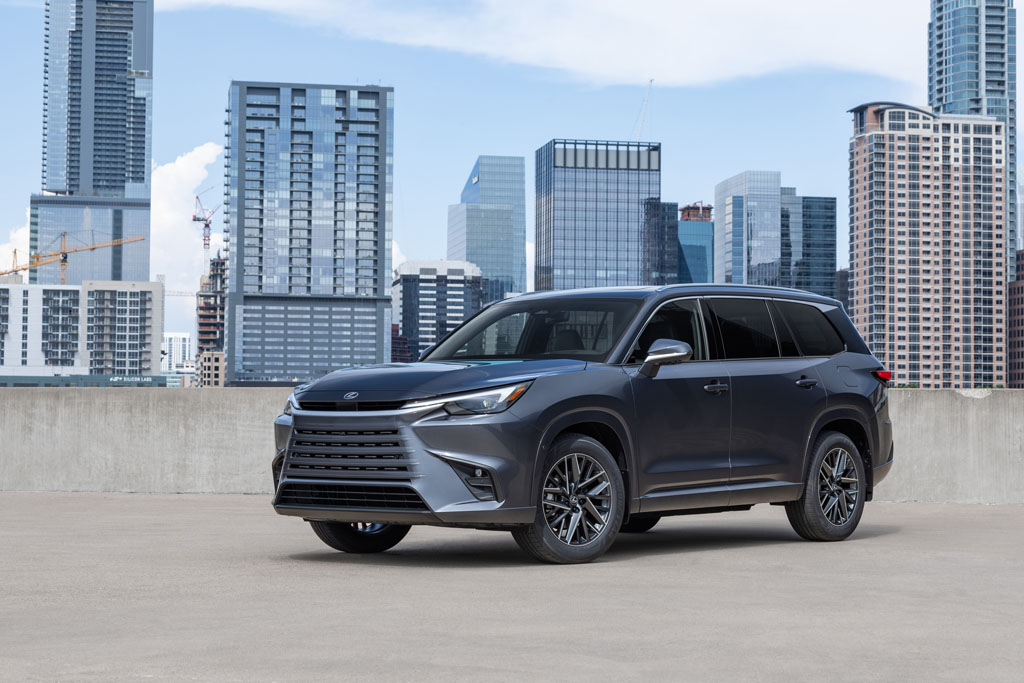
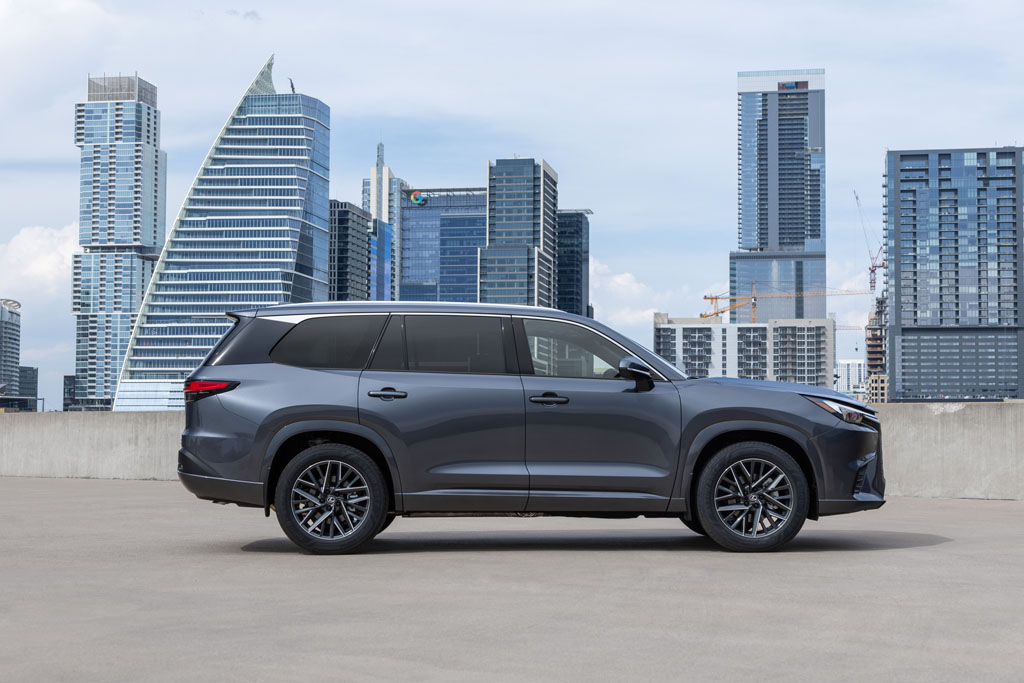
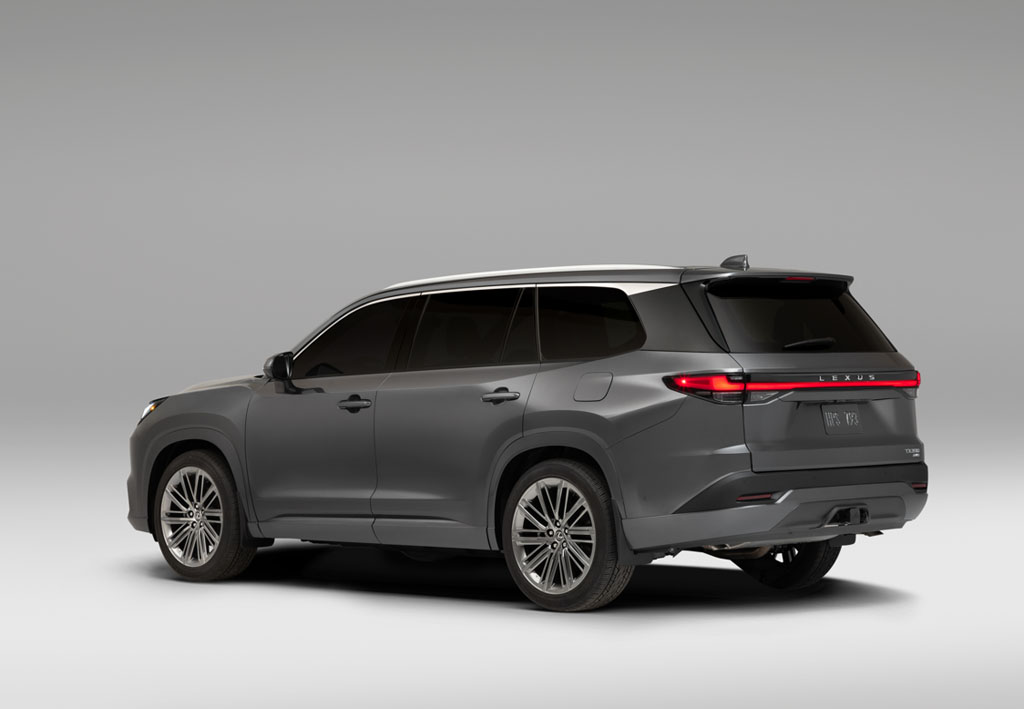
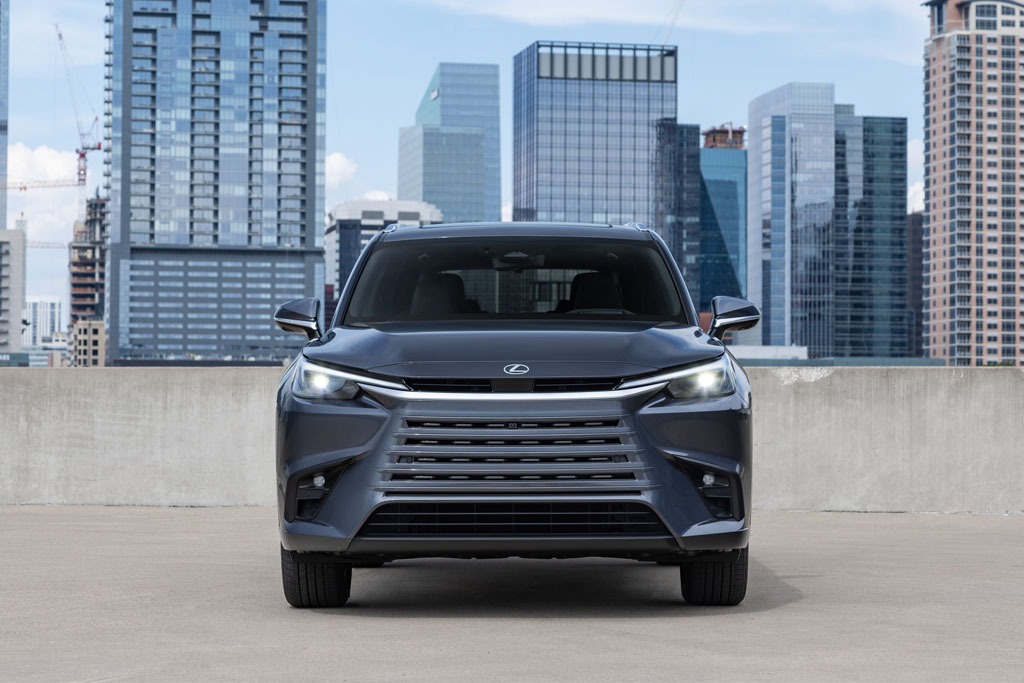
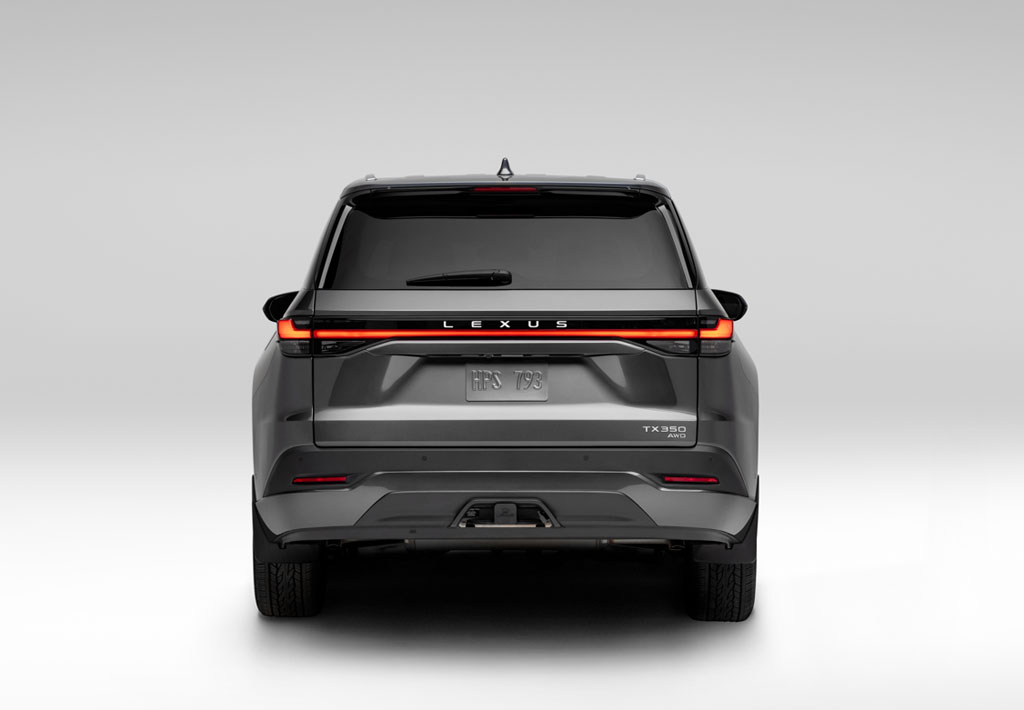
Fortunately, Lexus isn’t leaving the rest of the TX lineup completely untouched for 2027. The changes are relatively modest, but they include a few welcome styling and equipment updates. Matador Red Mica, previously offered on select models, is now available on non-F Sport versions, giving buyers another attractive exterior color choice. F Sport models can also be equipped with red-painted brake calipers, while the TX 350 receives revised brake booster tuning and adjustments to its brake-hold function. The TX 350’s available 20-inch alloy wheels gain a darker gray finish, and the TX 500h trades its previous DIRECT4 rear badging for a simpler AWD designation. None of these updates dramatically changes the TX’s personality, but they help keep Lexus’ spacious three-row SUV looking fresh as it continues competing with other luxury family haulers.
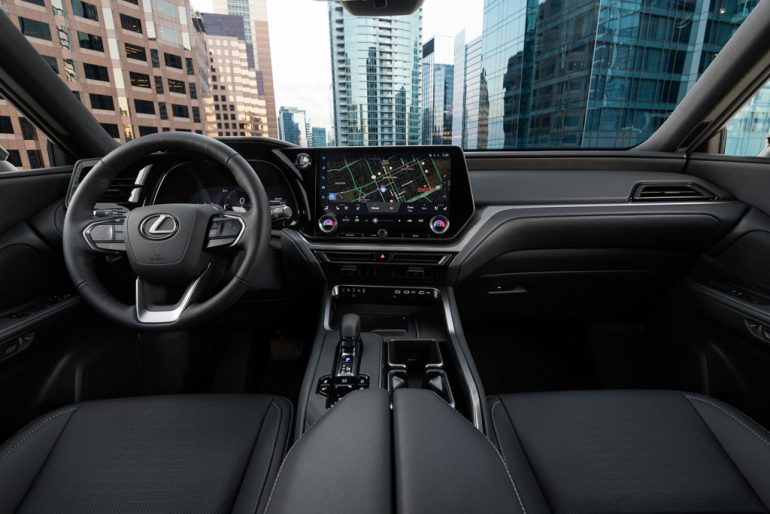
Pricing for the 2027 Lexus TX starts at $58,890 for the front-wheel-drive TX 350, while adding all-wheel drive raises the starting price to $60,490. The more powerful TX 500h F Sport Performance Premium begins at $72,410, with the range-topping Luxury version reaching $75,560. All prices include the destination charge. Lexus hasn’t announced an exact dealership arrival date, although the updated TX is expected to go on sale before the end of 2026. We think the disappearance of the TX 550h+ is an interesting development, particularly as Lexus continues expanding hybrid technology across other parts of its lineup. The plug-in hybrid offered an appealing combination of performance and electric-only driving capability, but its relatively high price and limited sales clearly made it a difficult business case. For now, the conventional hybrid TX 500h looks to be the sweet spot for buyers seeking additional power and improved fuel efficiency without the added complexity of plugging in. Sometimes simplifying a lineup makes good business sense, even if it means saying goodbye to one of its more technologically interesting models.



Mike Floyd is a finance executive by trade and a car enthusiast at heart. As a CFO with a keen eye for detail and strategy, Mike brings his analytical mindset to the automotive world, uncovering fresh insights and unique perspectives that go beyond the surface. His passion for cars—especially his favorite, the Porsche 911, fuels his contributions to Automotive Addicts, where he blends a love for performance and design with his professional precision. Whether he’s breaking down industry trends or spotlighting emerging innovations, Mike helps keep the site both sharp and forward-thinking.