Lexus is giving the ES its biggest transformation in years for 2026, and the headline is impossible to miss. For the first time, the long-running luxury sedan is available as a battery-electric vehicle, with the new ES 350e and ES 500e arriving ahead of a redesigned ES 350h hybrid. That alone marks a major shift for one of Lexus’ most familiar nameplates, but the bigger story is how much the entire package has changed. The eighth-generation ES is larger, more tech-focused, more upscale inside, and built around a new multi-pathway platform that supports both electric and hybrid powertrains.
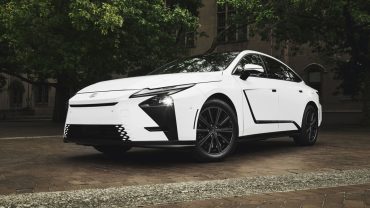
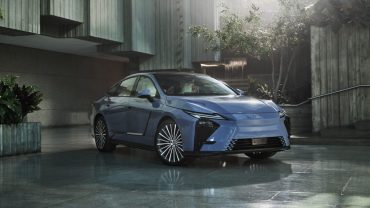
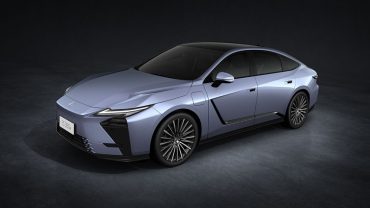
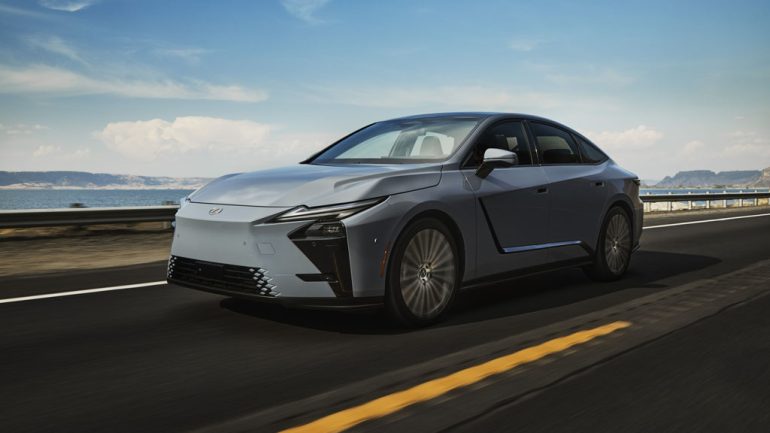
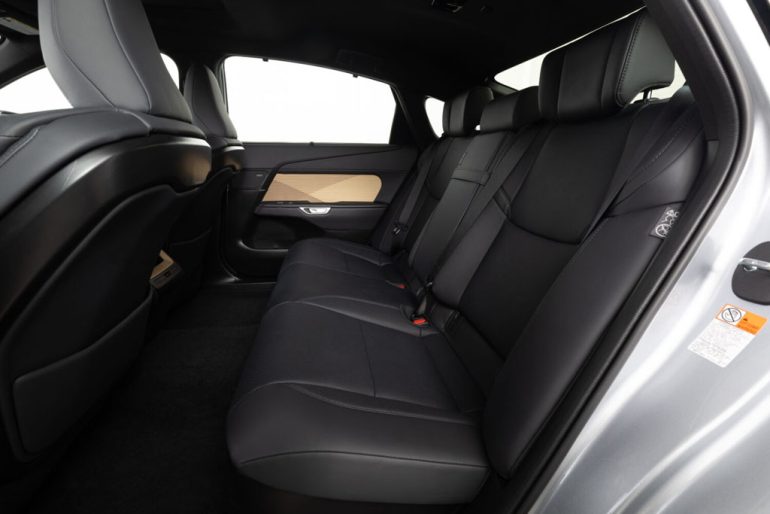
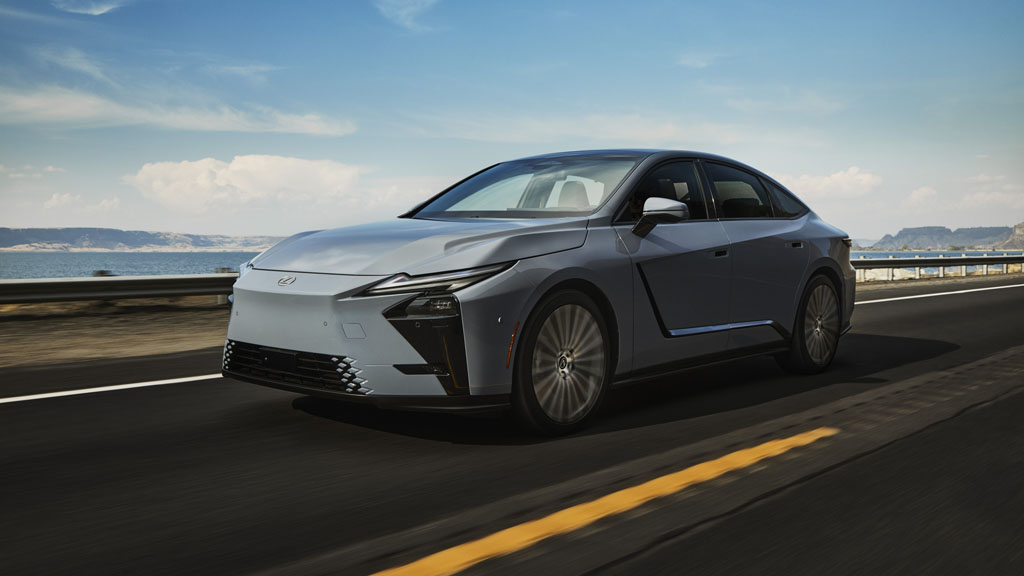
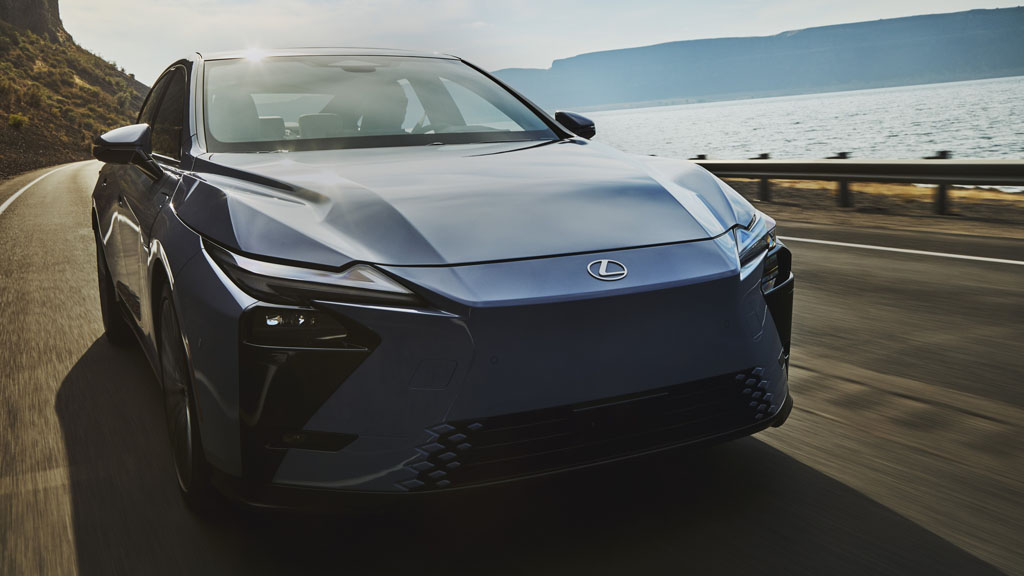
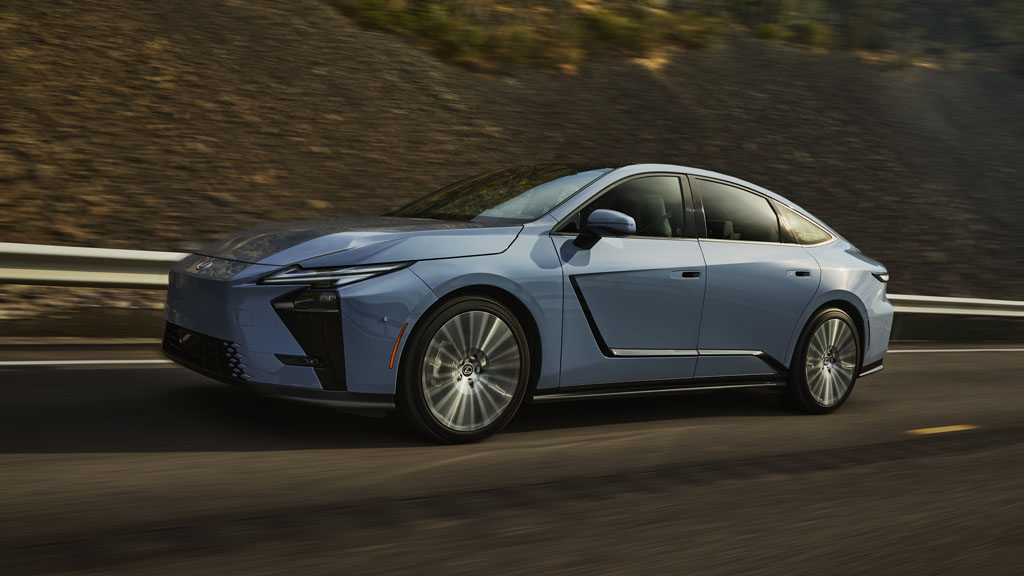
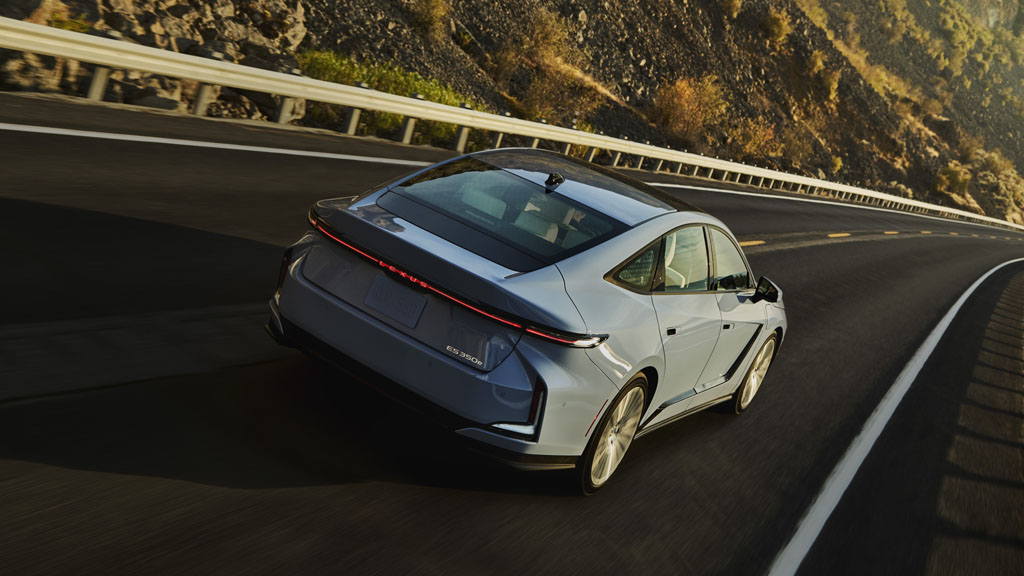
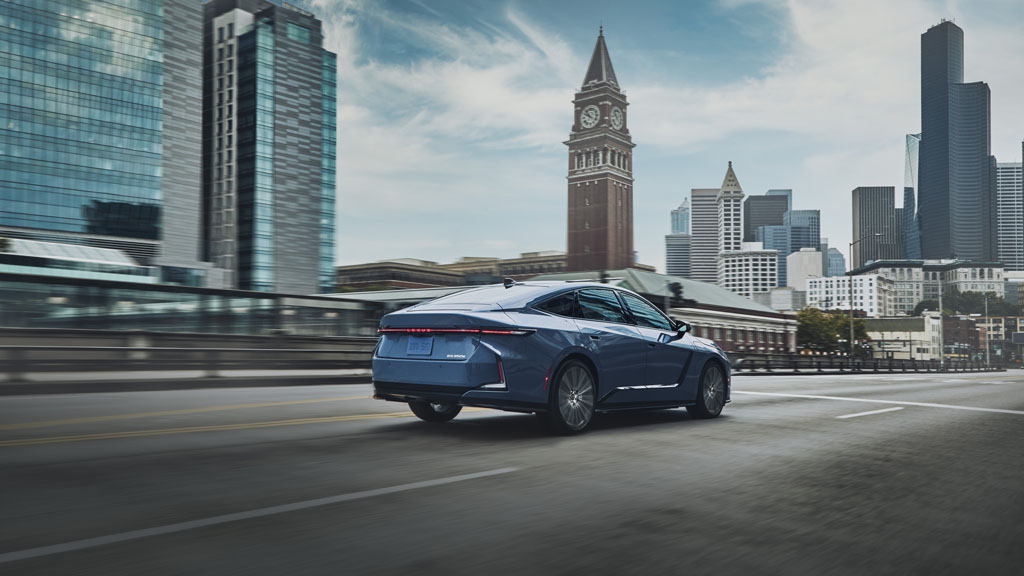
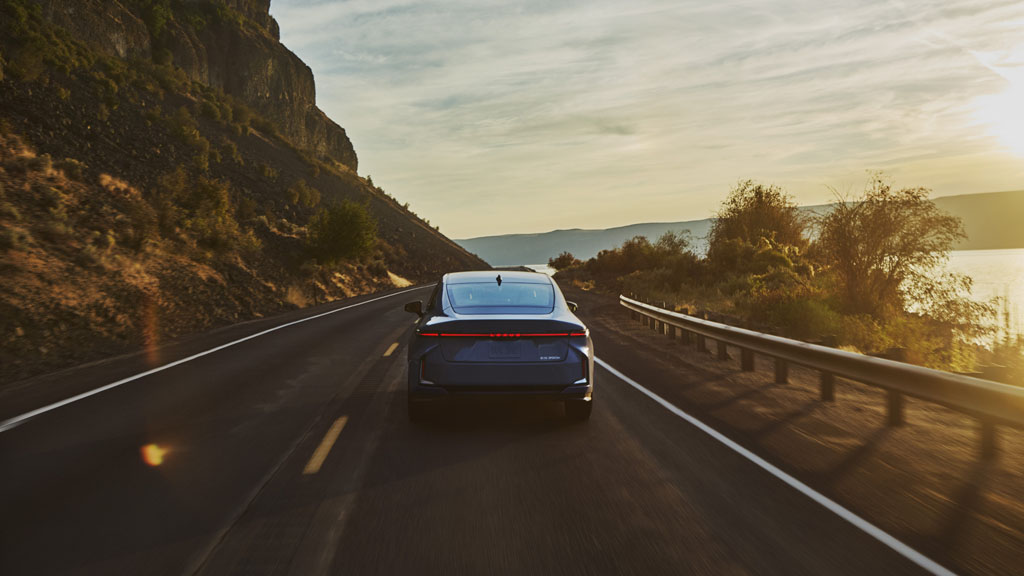
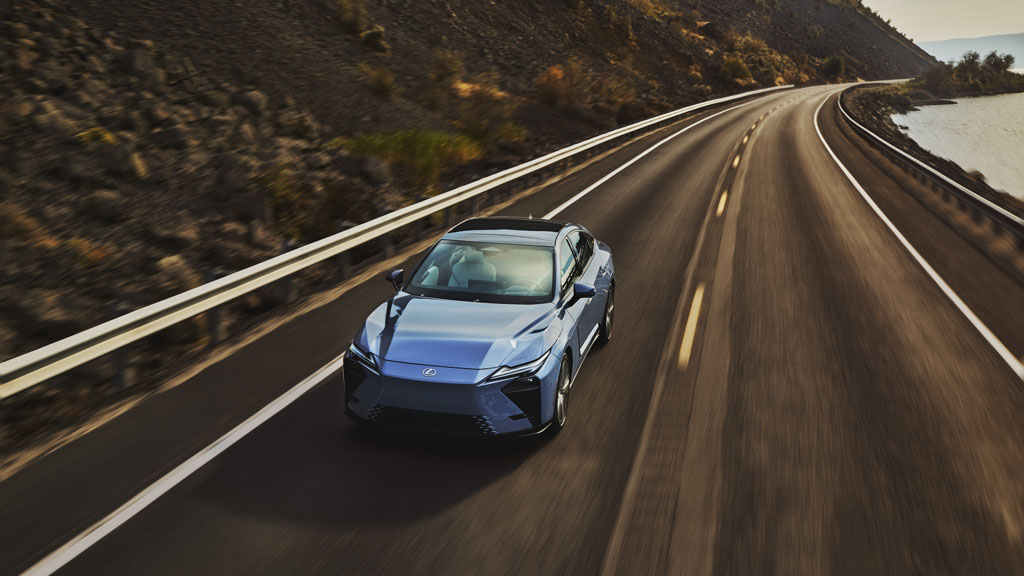
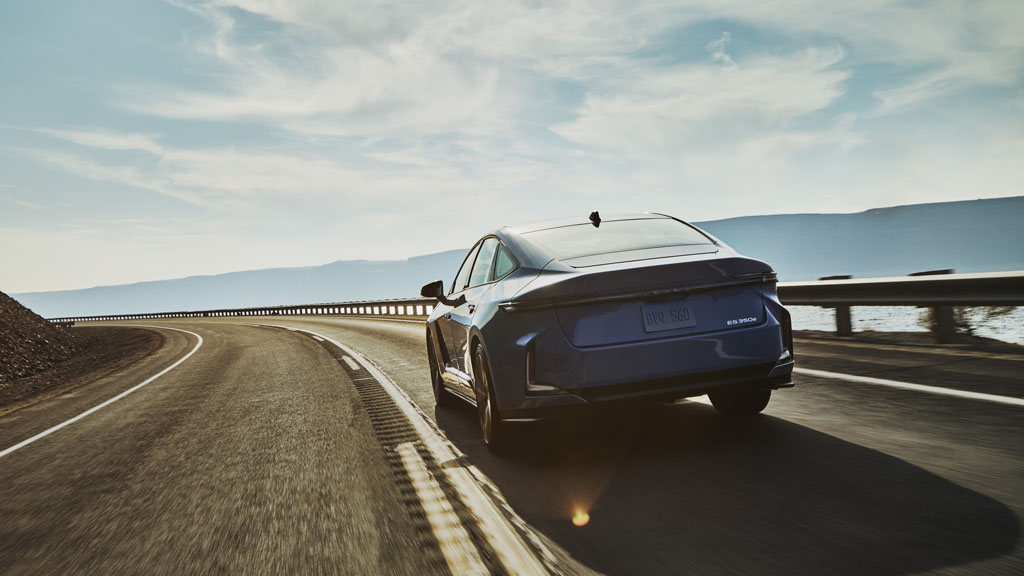
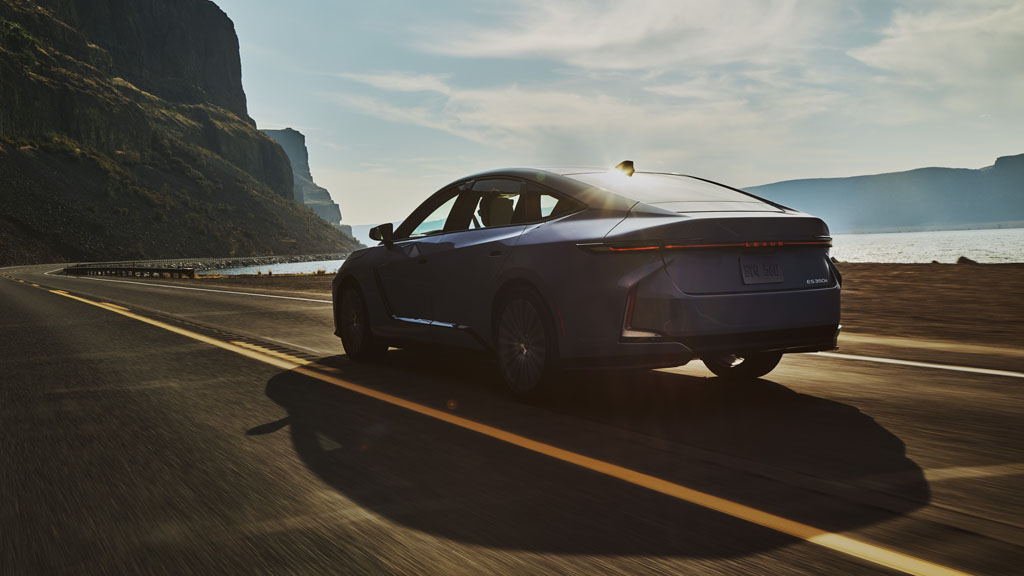
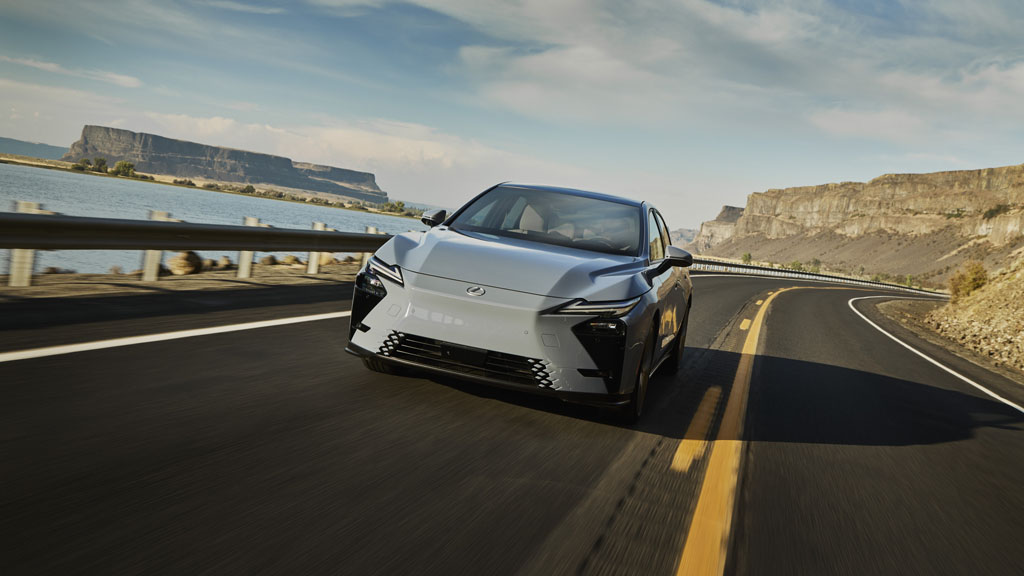
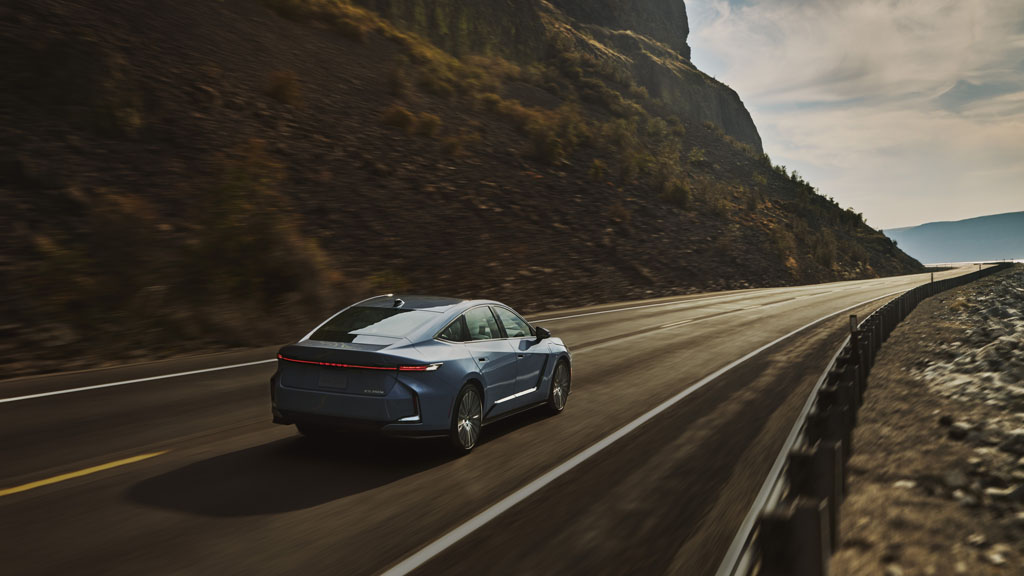
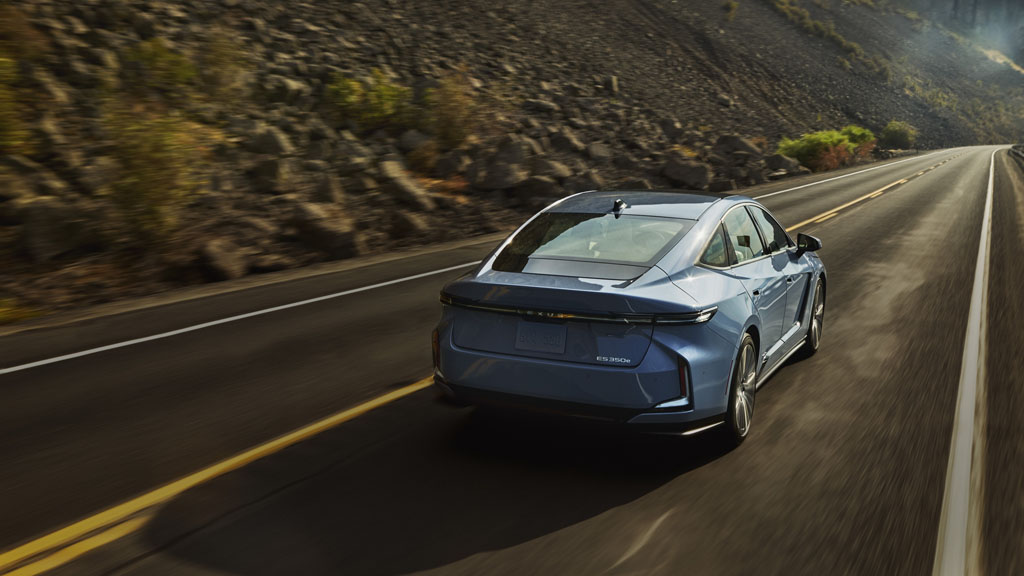
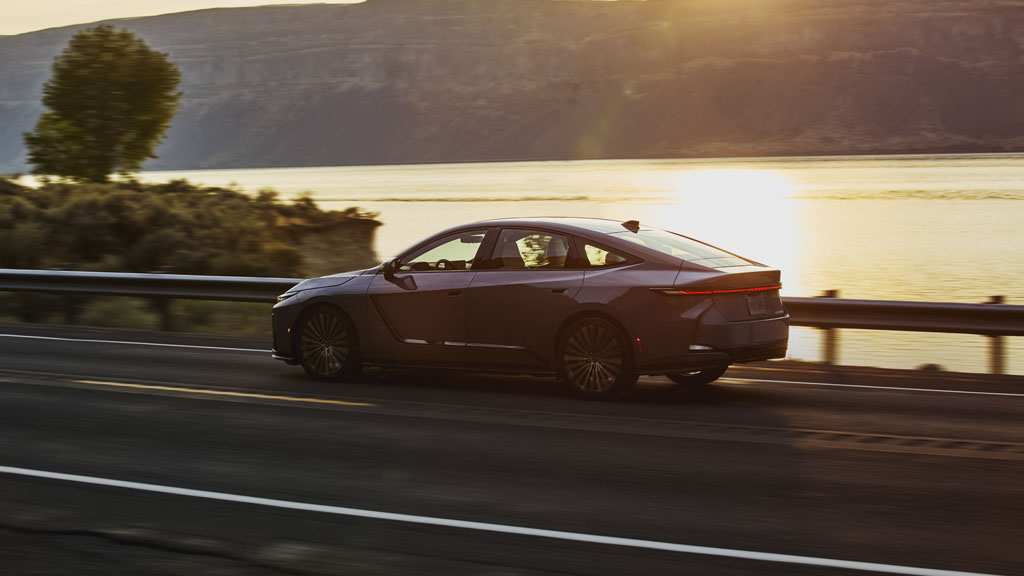
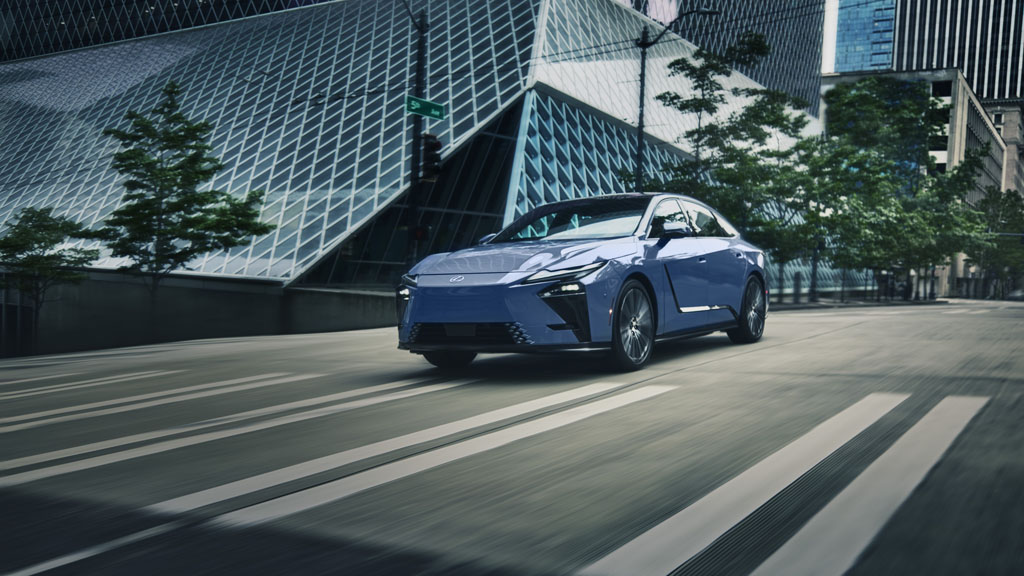
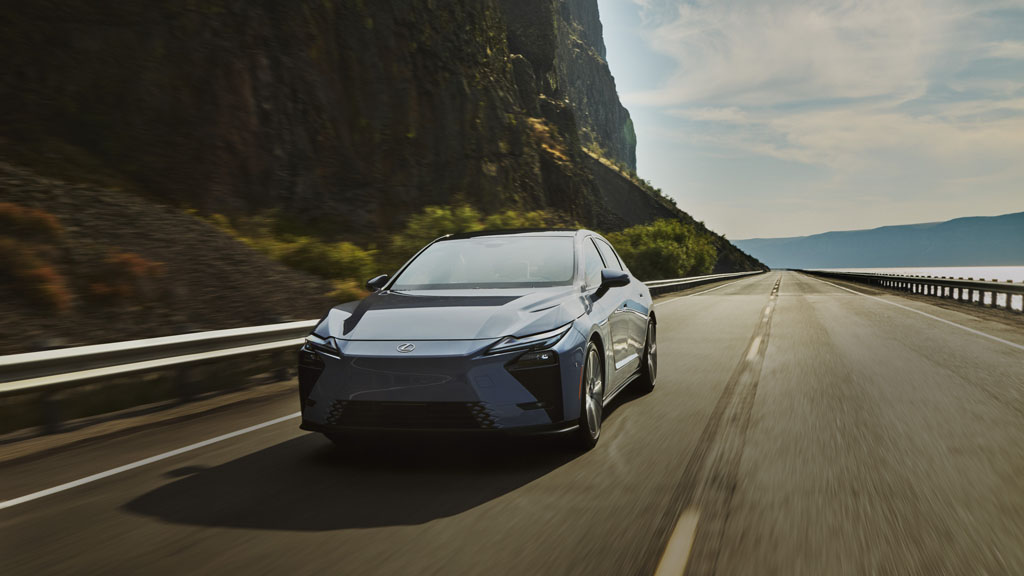
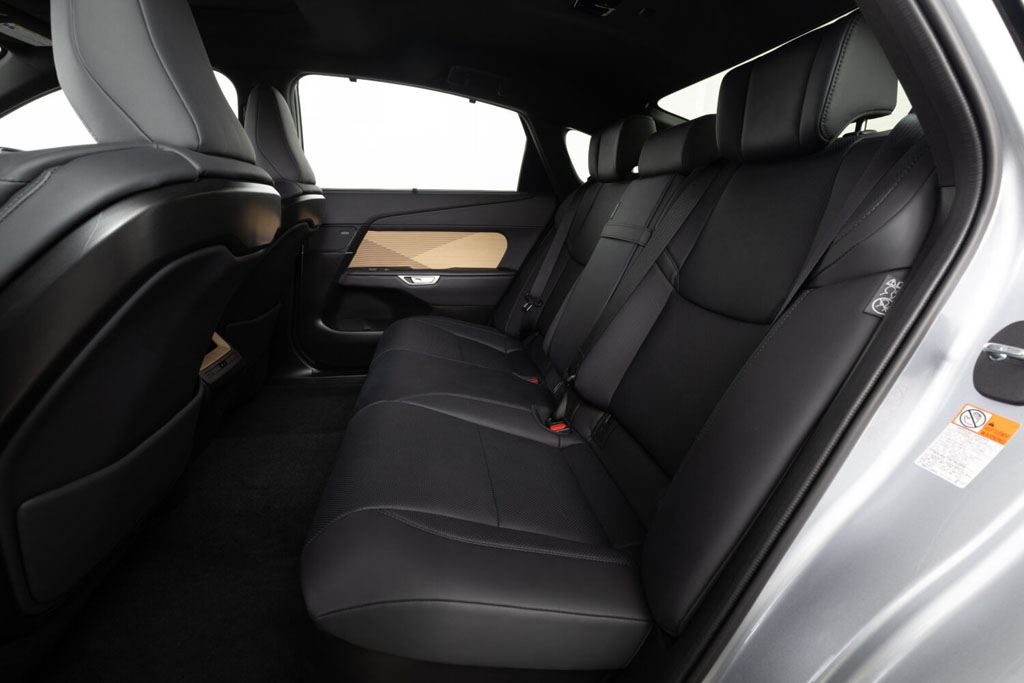
From a styling standpoint, the new ES takes a clear step away from the softer look of the outgoing car and moves toward something cleaner and more dramatic. Lexus says the design draws inspiration from the LF-ZC concept, and that comes through in the sharp nose, slim L-shaped lighting, stronger body lines, and full-width rear Blade taillamp with an illuminated Lexus logo. The sedan is also noticeably bigger than before, with a wheelbase stretched by 3.1 inches and overall increases in width, length, and height. That growth pays off in the cabin, where rear legroom improves by 1.4 inches and both front and rear passengers gain more headroom and shoulder room.
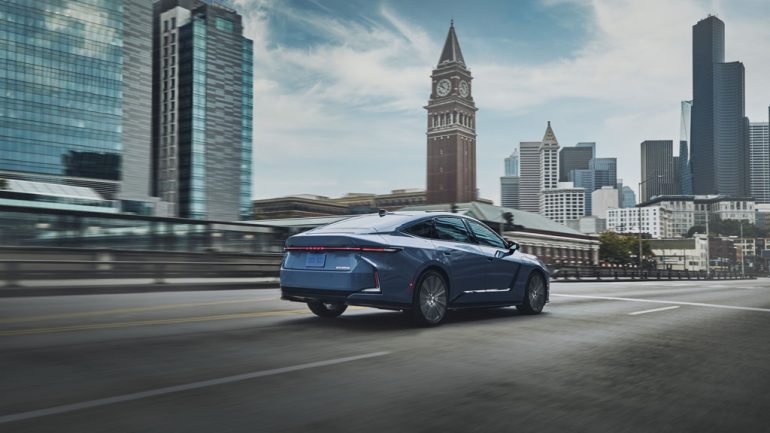
The specs most shoppers will care about start with the two EV models. The front-wheel-drive ES 350e uses a single electric motor making 221 hp and is rated for an EPA-estimated 307 miles of range on standard 19-inch wheels. Step up to the all-wheel-drive ES 500e and output climbs to 338 hp thanks to a dual-motor setup, while range comes in at 276 miles with the standard 19s. Lexus says the ES 350e can reach 60 mph in an estimated 7.4 seconds, while the quicker ES 500e cuts that to 5.1 seconds. Buyers who want larger 21-inch wheels can get them, though range takes a modest hit depending on trim and configuration.
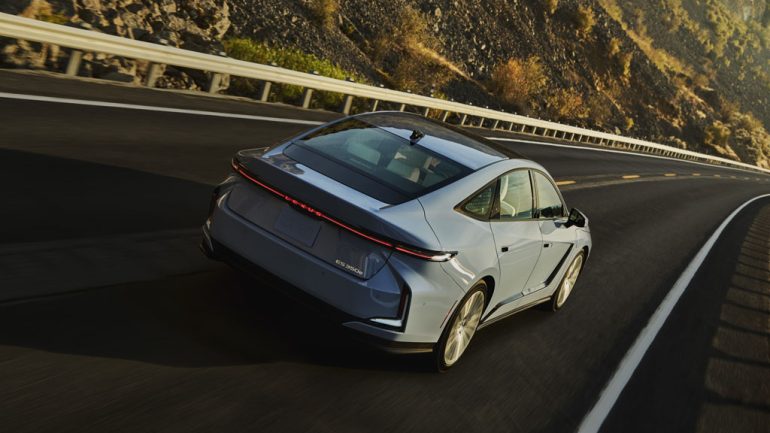
Charging details look competitive for the segment, and Lexus has made sure the new ES speaks the language EV buyers now expect. Both electric models use a 74.7-kWh lithium-ion battery pack and come with a North American Charging System port, along with a CCS adapter in the box. Under ideal conditions, Lexus says DC fast charging from 10% to 80% can take about 28 minutes at speeds up to 150 kW, while Level 2 charging with the onboard 11-kW charger takes about seven hours. Battery preconditioning is included to help optimize charging performance, and the Lexus app adds charging station search, Plug & Charge functionality, and EV-specific route planning support through Apple Maps and Lexus’ connected services.
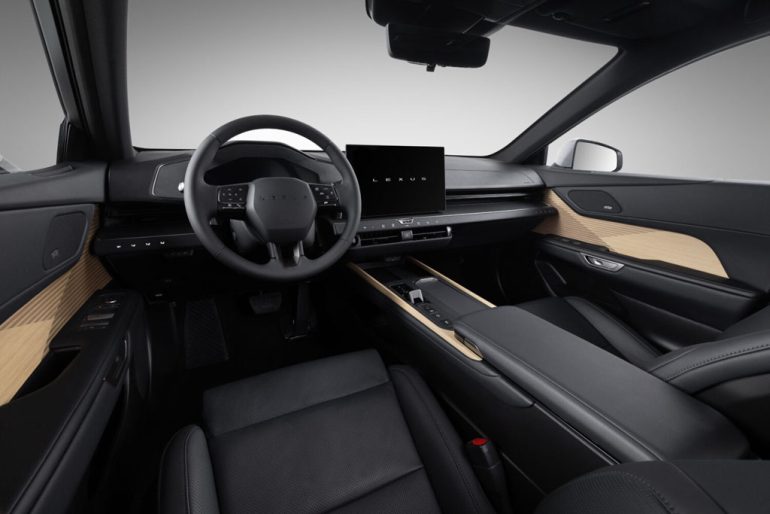
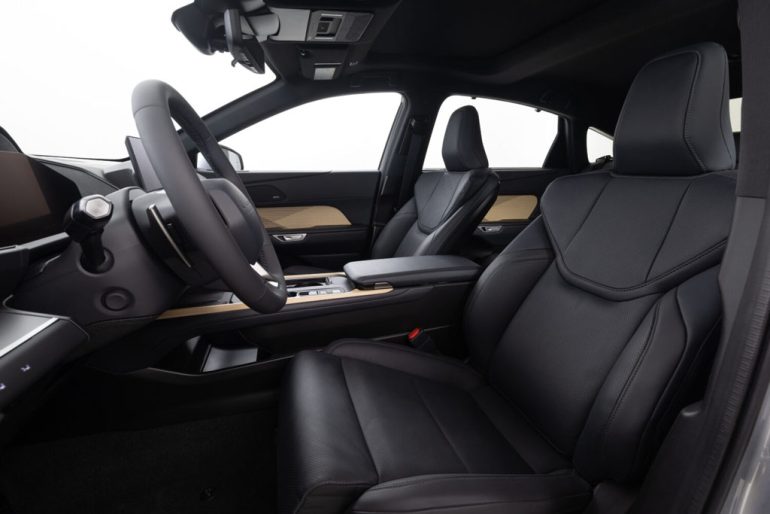
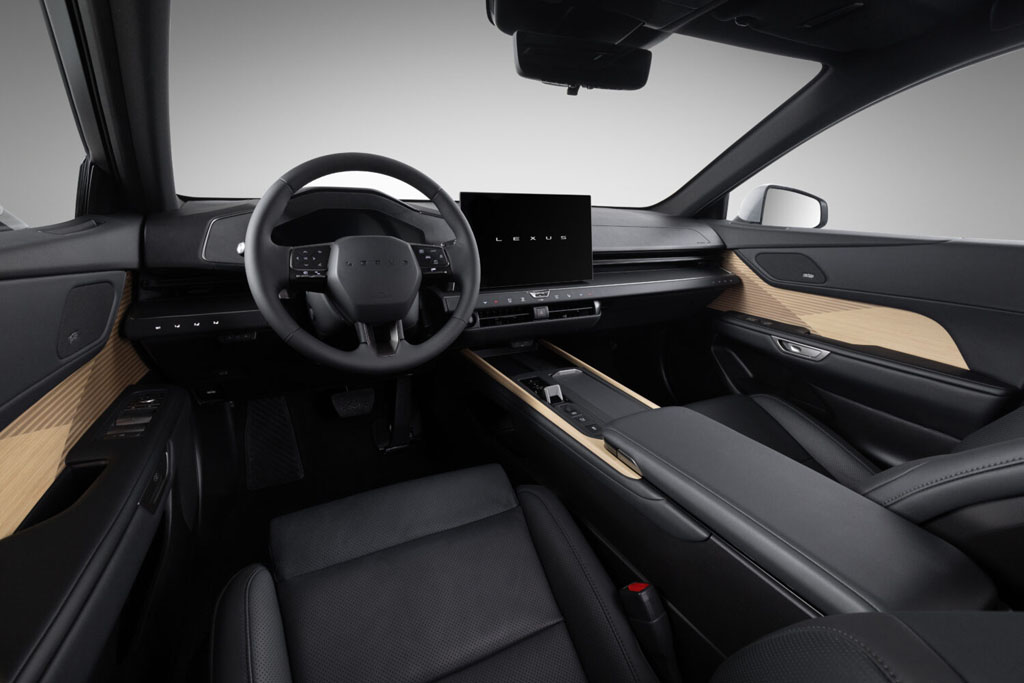
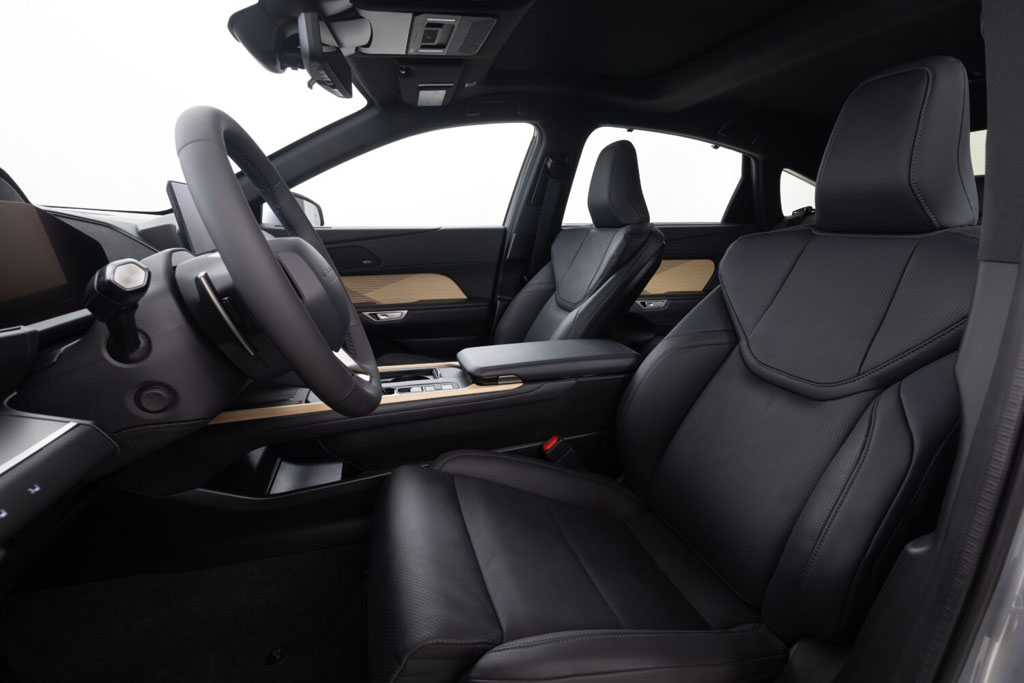
Inside, the 2026 ES looks like a much more modern luxury sedan than the car it replaces. Every model gets a 12.3-inch digital driver display and a new 14.0-inch touchscreen running the latest Lexus Interface system. Wireless Apple CarPlay and Android Auto are standard, as is a wireless charger, while a second front wireless charger is optional. Premium trims come with NuLuxe seating and a 10-speaker audio system, while Luxury trims move up to semi-aniline leather, richer trim materials, and a 17-speaker, 1,800-watt Mark Levinson surround sound system. One of the more surprising upgrades is the available Executive Package on the ES 350e Luxury, which adds heated, ventilated, and massaging rear outboard seats, power rear-seat adjustments, and even a passenger-side ottoman for a more chauffeur-style experience.
Lexus is also loading the new ES with safety and driver-assist tech. The sedan debuts Lexus Safety System+ 4.0, which includes the expected staples like pre-collision warning with pedestrian detection, all-speed adaptive cruise control, lane tracing assist, lane departure alert, road sign assist, and intelligent high beams. Higher trims add more advanced features including Traffic Jam Assist, Lane Change Assist, Front Cross-Traffic Alert, and additional parking support. Lexus says the updated system is designed to feel more natural in its interventions, which should matter in a luxury sedan where smoothness is part of the appeal.
Pricing is another part of this story that should grab attention because the electric ES actually opens below the hybrid. The 2026 ES 350e Premium starts at $48,795, while the ES 500e Premium AWD starts at $51,795. Moving into Luxury trims brings the ES 350e to $57,195 and the ES 500e Luxury AWD to $60,195. On the hybrid side, the ES 350h Premium starts at $50,995, the ES 350h Premium AWD at $52,395, and the Premium+ versions climb from there. Those figures include Lexus’ $1,295 delivery, processing, and handling fee. Lexus says the ES 350e is expected to reach dealerships in April, with the hybrid following afterward.
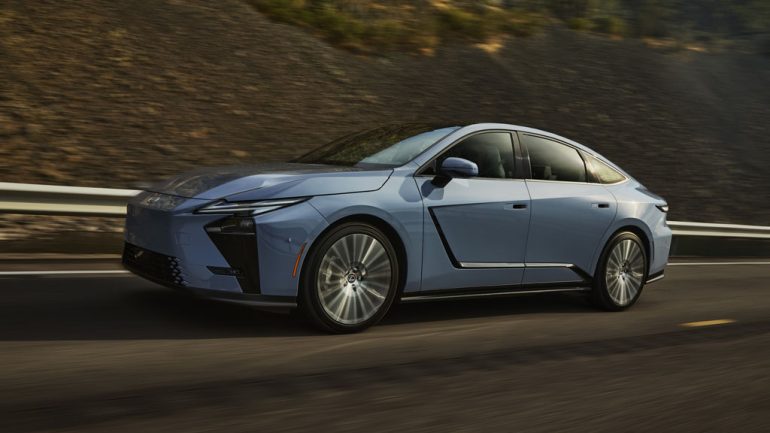 Taken as a whole, the new ES feels like Lexus is trying to make one of its core products relevant to a much wider group of luxury buyers. There is still a hybrid for traditional ES customers, but now there are also two fully electric versions with respectable range, meaningful performance, and a genuinely upscale interior. Add in the bigger footprint, improved rear-seat comfort, standard 19-inch wheels, available 21s, NACS charging, and a cabin loaded with the sort of tech people now expect in a premium sedan, and the 2026 ES suddenly looks like much more than a routine redesign. It looks like Lexus finally gave the ES the kind of leap forward this nameplate needed.

Lloyd Tobias is a seasoned automotive journalist and passionate enthusiast with over 15 years of experience immersed in the world of cars. Whether it’s exploring the latest advancements in automotive technology or keeping a close pulse on breaking industry news, Lloyd brings a sharp perspective and a deep appreciation for all things automotive. His writing blends technical insight with real-world enthusiasm, making his contributions both informative and engaging for readers who share his love for the drive. When he’s not behind the keyboard or under the hood, Lloyd enjoys test driving the newest models and staying ahead of the curve in an ever-evolving automotive landscape.